
New York City culture is one of the most layered, vibrant, and hard-to-summarize things in the world. Whether you’re visiting for the first time or planning a deeper exploration, understanding what makes this city tick can feel overwhelming. There’s so much happening across five boroughs, dozens of neighborhoods, and hundreds of cultural institutions that it’s easy to not know where to start.
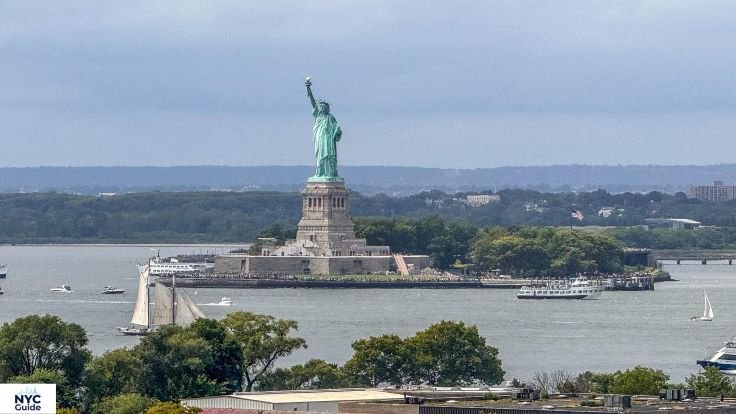
That’s exactly why this guide exists. It breaks down everything from Broadway and the Metropolitan Museum of Art to hidden galleries in Queens and street basketball in the Bronx. You’ll get a real feel for what life in New York actually looks like, not just the tourist version.
This isn’t just a list of attractions. It’s a look at the soul of the city the food, the music, the neighborhoods, the people, and the stories that make New York City culture unlike anything else on the planet.
TL;DR: What You’ll Learn About NYC Culture
- Why NYC is called the world’s cultural capital
- A history of how the city’s culture was shaped by immigration and art
- What makes each of the five boroughs unique
- The best museums, theaters, music venues, and public art spaces
- Local life, NYC slang, food culture, and everyday habits
- Hidden gems, budget tips, and how to plan your visit
Why New York City Is Known as the World’s Cultural Capital
No city on earth combines so many influences, industries, and identities into one place. New York City has been shaping global culture for over a century. From fashion and finance to film and food, what starts in New York often spreads everywhere else.
How NYC Became a Global Cultural Hub
New York’s rise as a cultural powerhouse wasn’t accidental. Its position as a major port city brought in people, goods, and ideas from every corner of the world. By the early 20th century, it had become a center for publishing, fashion, theater, and finance all at once.
The city gave birth to entirely new art forms. Jazz evolved in Harlem. Hip-hop was born in the Bronx. Abstract Expressionism took shape in Manhattan studios. Broadway became the global standard for live theater. Each of these didn’t just influence American culture they changed the world.
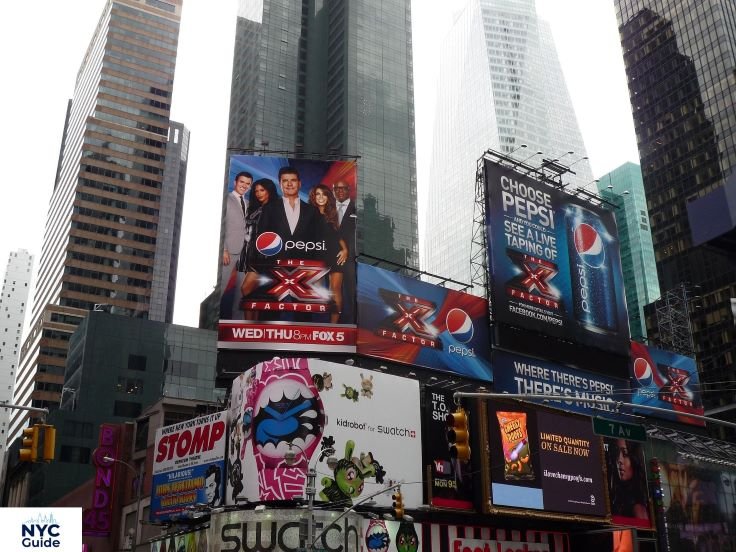
The Influence of Immigration and Diversity
Cultural diversity in NYC is not just a talking point. It’s the actual engine of everything creative here. Waves of immigrants from Ireland, Italy, Eastern Europe, China, Puerto Rico, the Dominican Republic, West Africa, South Asia, and dozens of other regions all settled in New York and brought their traditions with them.
Those traditions didn’t disappear. They mixed, evolved, and created something entirely new. The food culture in New York City reflects this perfectly. You can eat dim sum in Flushing, jerk chicken in Crown Heights, pierogi in Greenpoint, and Neapolitan pizza on Arthur Avenue all in the same afternoon.
Why Every Borough Has Its Own Identity
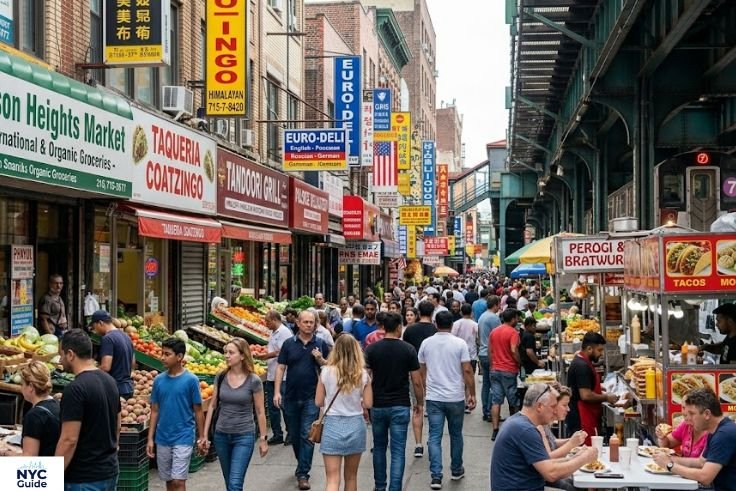
Manhattan gets most of the attention, but New York City is five boroughs, and each one has its own character, its own history, and its own version of local pride. Brooklyn has a creative, independent energy. Queens is one of the most linguistically diverse places on earth. The Bronx is the birthplace of hip-hop. Staten Island feels like a small city within the city. Understanding this helps you see New York as it actually is.
A Brief History of Culture in New York City
Early New York and Its Cultural Roots
Before New York became New York, it was a Lenape settlement called Mannahatta. Dutch colonists established New Amsterdam in 1626, followed by English control in 1664, when the city was renamed New York. These early layers Indigenous, Dutch, English established a multicultural foundation that never really stopped expanding.
By the 1700s, New York was already a busy trading hub. Coffee houses, taverns, and public spaces became places where ideas circulated. The city’s first theater opened in 1732. A tradition of public life and cultural exchange was already forming.
Immigration Waves and Changing Neighborhoods
The 19th and early 20th centuries brought massive waves of immigration that permanently shaped New York City’s cultural landscape. Irish and German immigrants arrived in the mid-1800s. Then came Italians, Eastern European Jews, Chinese, and Greeks. Each group settled in specific neighborhoods that took on their character.
The Lower East Side became a hub of Jewish immigrant life, full of tenement buildings, pushcart markets, and Yiddish theaters. Little Italy and Chinatown grew side by side in Lower Manhattan. Harlem, originally a wealthy white neighborhood, transformed into the center of African American life and art by the 1920s.
The Rise of Art, Music, Theater, and Fashion
The Harlem Renaissance of the 1920s was one of the most important cultural movements in American history. Writers like Langston Hughes, Zora Neale Hurston, and Claude McKay produced work that redefined Black identity and American literature. Jazz clubs in Harlem drew audiences from across the country.
Broadway solidified its reputation as the world’s theater capital through the mid-20th century. The New York art world exploded in the 1940s and 1950s when Abstract Expressionists like Jackson Pollock and Mark Rothko made New York the center of the contemporary art world, pushing Paris off the throne it had held for centuries.
How NYC Became a Symbol of Modern Culture
By the latter half of the 20th century, New York had become the symbol of modern urban life globally. The punk rock scene emerged from venues in the East Village and Lower East Side. Hip-hop was born in the Bronx in the 1970s. The fashion industry established itself on Seventh Avenue. Film and television used New York as both a backdrop and a subject constantly.
Even during difficult times the financial crisis of the 1970s, the AIDS epidemic, the attack on September 11 New York’s culture responded with creativity, resilience, and expression that moved the entire world.
The Five Boroughs and Their Unique Character
Manhattan: The Center of Arts, Theater, and Luxury
Manhattan is where most visitors spend their time, and for good reason. Times Square, Broadway, the Metropolitan Museum of Art, the Museum of Modern Art, Lincoln Center, and Central Park are all here. This is the most densely packed cultural square mileage anywhere in the world.
But Manhattan is also a neighborhood-by-neighborhood experience. Greenwich Village still has the spirit of the folk music scene and the bohemian 1960s. The Upper West Side has a refined, intellectual quality. SoHo blends luxury retail with art galleries. The East Village carries traces of punk, underground art, and immigrant identity.
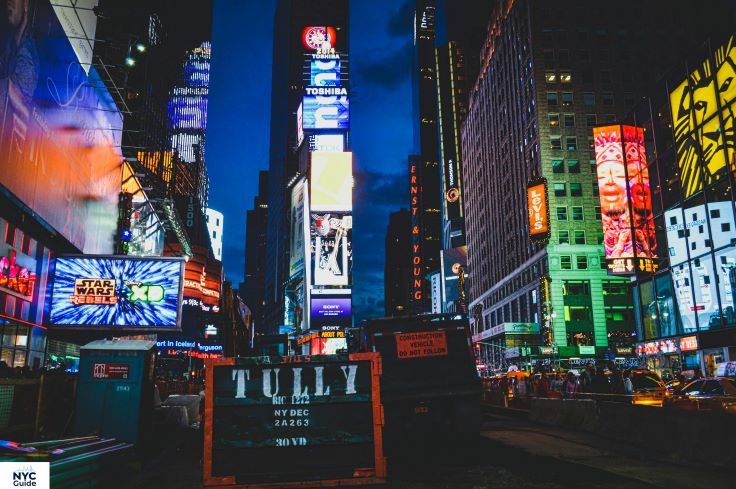
When I first walked through the West Village on a quiet Tuesday morning, I was struck by how it felt like a small European city brownstones, corner cafes, jazz drifting from somewhere nearby. Manhattan contains multitudes.
Brooklyn: Creative Communities and Trendsetting Culture
Brooklyn has undergone a remarkable transformation over the last two decades. Once seen as simply “not Manhattan,” it has become one of the most creative and culturally influential urban communities in the world.
Williamsburg, DUMBO, and Bushwick attract artists, musicians, designers, and chefs. The Brooklyn Museum is world-class. Prospect Park rivals Central Park in beauty. The Brooklyn Academy of Music is one of the premier performing arts venues in the country.
Brooklyn also has deep cultural roots in its Caribbean, Haitian, Jamaican, and Trinidadian communities, particularly in Crown Heights and Flatbush. The West Indian American Day Parade, held every Labor Day, is one of the largest parades in North America.
Queens: Global Diversity and International Influence
Queens may be the most internationally diverse place on earth. More than 160 languages are spoken there. Neighborhoods like Jackson Heights, Flushing, Astoria, and Jamaica each feel like distinct cultural worlds.
Flushing is a Chinese and Korean cultural hub with some of the best Asian food in the entire country. Jackson Heights blends South Asian, Latin American, and Tibetan communities block by block. Astoria has a Greek heritage that goes back generations, alongside a growing Middle Eastern and Brazilian presence.
The Queens Museum, MoMA PS1, and the Noguchi Museum give the borough serious art credibility as well.
The Bronx: Hip-Hop, Street Art, and Sports Culture
The Bronx gave the world hip-hop. In the early 1970s, DJ Kool Herc began throwing block parties in the South Bronx, and from those gatherings, an entire global culture was born. Graffiti art, breakdancing, MCing, and DJing all developed here into a coherent cultural movement that spread worldwide.
Today, the Bronx is home to the hip-hop museum, remarkable street murals, and a fierce local pride. Yankee Stadium is not just a sports venue it’s a cultural institution. The New York Botanical Garden and Bronx Zoo add nature and education to the borough’s identity.
Staten Island: Historic Districts and Local Traditions
Staten Island is the least visited of the five boroughs by tourists, and that’s actually part of its appeal. It has a slower pace, more green space, and a sense of community that feels different from the intensity of the other boroughs.
The Staten Island Ferry offers one of the best free views of the Manhattan skyline and the Statue of Liberty. The Snug Harbor Cultural Center is a beautiful complex of historic buildings, gardens, and museums. St. George, the neighborhood near the ferry terminal, has been growing as an arts community in recent years.
Iconic Arts and Entertainment in New York City
Broadway, Off-Broadway, and Live Theater
Broadway is the pinnacle of live theater anywhere in the world. The Theater District, centered around Times Square and stretching along 42nd to 53rd Street, houses some 41 professional theaters. Productions here are backed by serious budgets, world-class talent, and decades of tradition.
Tickets range from around $75 to over $500 depending on the show and seat. However, the TKTS booth in Times Square sells same-day tickets at 20–50% off. Many shows also release lottery tickets and rush tickets at much lower prices sometimes as low as $30.
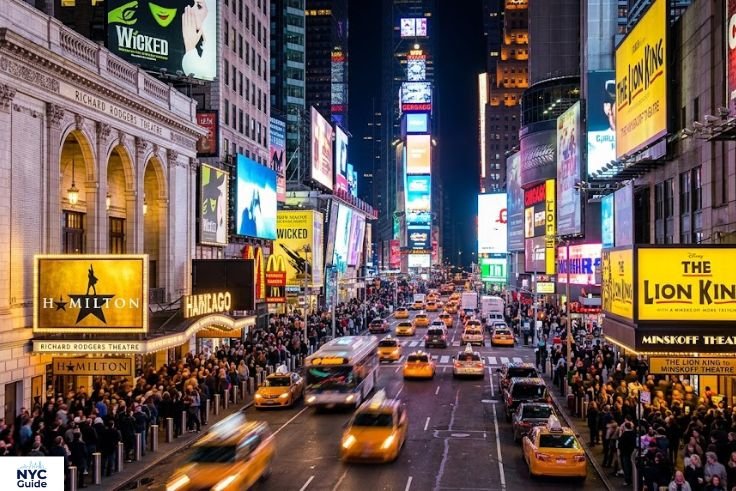
Off-Broadway shows are often just as impressive as Broadway, with smaller venues but more experimental and adventurous productions. The Public Theater in the East Village, for example, has launched shows like Hamilton and Fun Home before they moved to Broadway.
One mistake many visitors make is booking the cheapest seats without checking sightlines. Always look at seating charts before buying. For first-time theatergoers, a classic musical is usually the easiest entry point.
Dance, Opera, and Performing Arts
Lincoln Center is the most important performing arts campus in the United States. It houses the Metropolitan Opera, the New York Philharmonic, the New York City Ballet, and the Juilliard School all within a few blocks of each other.
The Met Opera season runs from September through May. The New York City Ballet performs during fall and spring seasons, with a beloved Nutcracker production every December. Tickets at Lincoln Center range from under $30 for upper tier seats to several hundred for premium orchestra positions.
Beyond Lincoln Center, the Joyce Theater in Chelsea focuses specifically on dance, and BAM in Brooklyn hosts extraordinary international dance and theater companies year-round.
Stand-Up Comedy and Small Venues
New York has a thriving stand-up comedy scene that goes far beyond the famous clubs. The Comedy Cellar in Greenwich Village is the most legendary it’s where comedians like Dave Chappelle, Chris Rock, and Amy Schumer have shown up for unannounced sets. Tickets run about $25–$30 plus a drink minimum.
Carolines on Broadway and Gotham Comedy Club offer more structured headline shows. For smaller, more experimental comedy, venues like Union Hall in Brooklyn and the Creek and the Cave in Queens host shows almost every night at very low cost.
Film, TV, and NYC in Popular Culture
New York City is probably the most filmed location in the world. The city appears in thousands of movies and TV shows, from classic films like Taxi Driver and Annie Hall to more recent productions like Succession and And Just Like That.
Several TV show filming locations are popular with visitors. The Friends apartment building is in the West Village. The Seinfeld diner is in the Upper West Side. Many Law & Order scenes are filmed on location throughout the city. Studio tours and production sightings are a regular part of NYC life.
The Tribeca Film Festival, held every spring, brings film culture to the forefront with screenings, panels, and premieres across downtown Manhattan.
Music in New York City
Jazz, Hip-Hop, and Classical Music
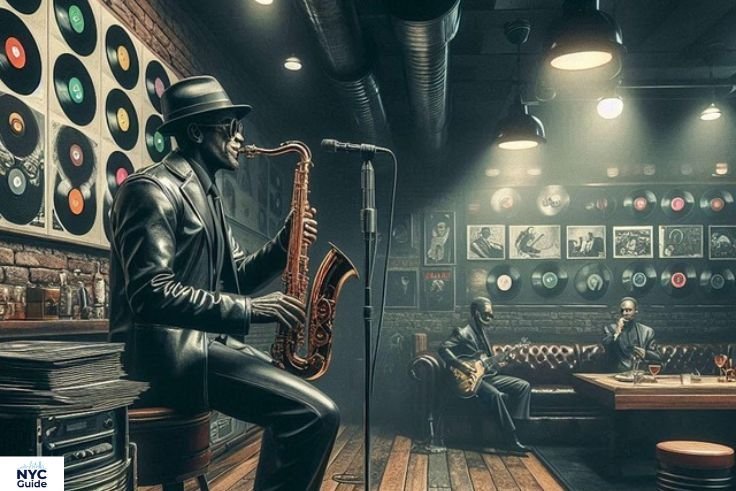
New York’s musical identity is built on jazz, hip-hop, and classical music more than anything else. Jazz developed in Harlem in the 1920s, and the Apollo Theater on 125th Street became the launching pad for artists like Ella Fitzgerald, James Brown, and Billie Holiday. Jazz clubs still operate all over the city, with the Village Vanguard being the most storied.
Hip-hop’s origin in the Bronx is documented and celebrated at the Universal Hip Hop Museum, which recently opened a permanent home. The genre’s cultural impact on fashion, language, and art cannot be overstated.
The New York Philharmonic, one of the oldest and most respected orchestras in the world, performs at David Geffen Hall at Lincoln Center. Free outdoor concerts happen in Central Park every summer.
Famous Music Venues
- Madison Square Garden — The world’s most famous arena. Home to Knicks and Rangers, but also legendary concerts.
- Village Vanguard — The most important jazz club in the world, open since 1935.
- Apollo Theater — Harlem institution with Amateur Night still running.
- Radio City Music Hall — Art Deco landmark used for concerts, the Grammy Awards, and the Rockettes.
- Brooklyn Steel — One of the best mid-size music venues in the city for indie and alternative acts.
- Le Poisson Rouge — Small, versatile Greenwich Village venue that crosses genres constantly.
Street Performers and Live Music Scenes
New York’s subway system is one of the best places to hear live music in the city. The MTA’s Music Under New York program has been placing auditioned performers in stations for decades. Grand Central Terminal, Union Square, and Times Square stations regularly feature everything from classical violin to Caribbean steel drums.
Washington Square Park has an informal but vibrant busking scene that comes alive on weekends. Central Park’s Rumsey Playfield hosts free SummerStage concerts from June through August.
Museums, Galleries, and Public Art
World-Class Museums in NYC
New York City museums represent the highest concentration of world-class cultural institutions anywhere on earth.
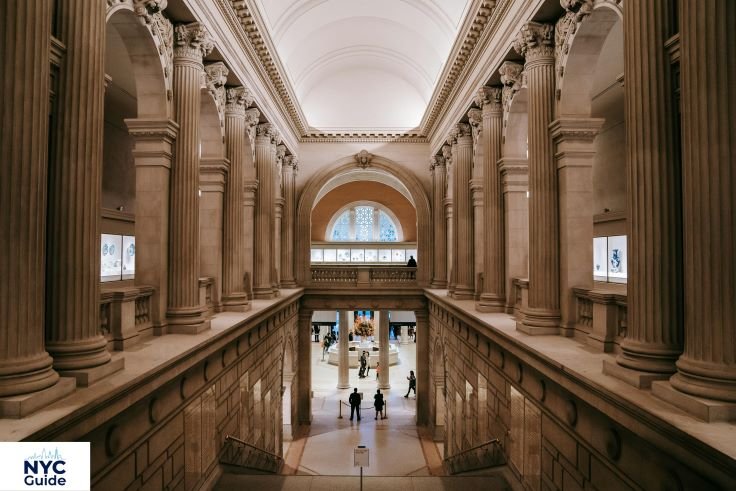
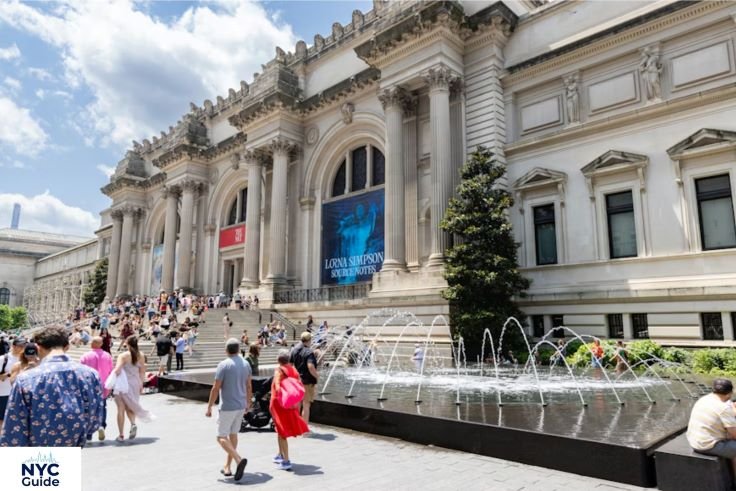
The Metropolitan Museum of Art (the Met) on Fifth Avenue’s Museum Mile is one of the largest and most visited museums in the world. Its collection spans 5,000 years of art from every culture. Suggested admission is $30 for adults, and it’s free for New York State residents. Open Tuesday through Sunday, 10am–5pm (Friday and Saturday until 9pm).
The Museum of Modern Art (MoMA) in Midtown houses the world’s greatest collection of modern and contemporary art, including Van Gogh’s The Starry Night and Picasso’s Les Demoiselles d’Avignon. Admission is $30 for adults. Free on Friday evenings 5:30–9pm for New York residents.
The American Museum of Natural History on the Upper West Side is a cultural and scientific institution that appeals to all ages. The Rose Center for Earth and Space is particularly spectacular. Admission is suggested at $28 for adults.
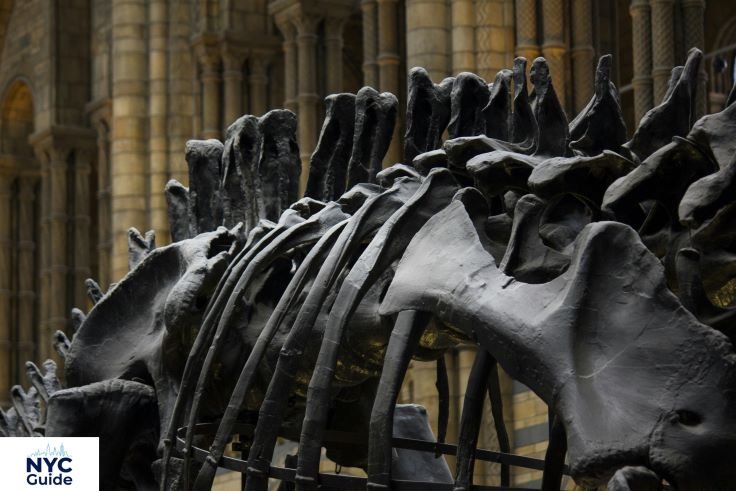
The Brooklyn Museum is the second largest art museum in New York and often less crowded than the Met. It has a strong collection of Egyptian art, American paintings, and a dedicated feminist art wing. Suggested admission is $20.
The Guggenheim on Fifth Avenue is as much about Frank Lloyd Wright’s spiral building as the art inside. It focuses on modern and contemporary work and hosts major temporary exhibitions.
Art Galleries and Creative Districts
Chelsea, in Manhattan, has been the center of the commercial art gallery world since the 1990s. There are well over 200 galleries packed into a roughly 10-block stretch along West 21st to 27th Streets between 10th and 11th Avenues. Most are free to enter. Thursday evening openings are a local tradition.
DUMBO in Brooklyn has become a secondary gallery hub with a younger, more experimental energy. The Mana Contemporary in Jersey City (just across the Hudson) is worth the trip for its sheer size and breadth.
The Lower East Side, once the center of immigrant tenement life, now hosts some of the most interesting emerging art galleries in the city.
Public Art, Murals, and Street Installations
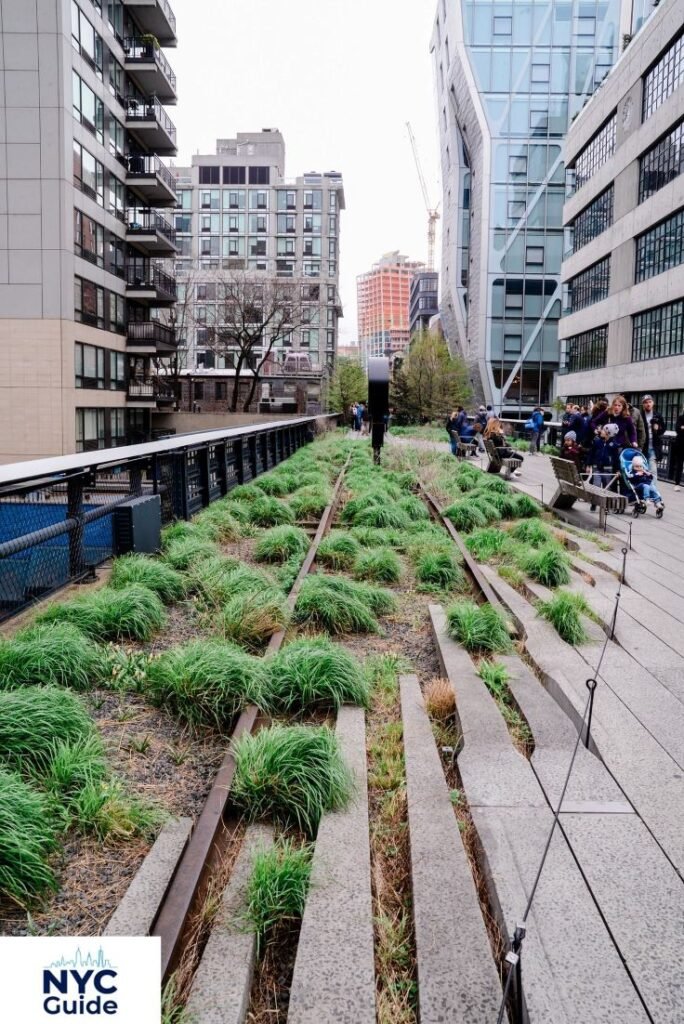
Public art in NYC is everywhere if you know where to look. The High Line on Manhattan’s West Side features rotating public art installations along its entire 1.5-mile length. It’s free to enter and runs from Gansevoort Street to 34th Street.
The 5Pointz building in Long Island City, Queens, was the world’s most famous graffiti mecca before it was controversially painted over in 2013. Its legacy lives on in the murals of Bushwick, Brooklyn, where the Bushwick Collective organizes an enormous outdoor gallery of street art across dozens of blocks.
The MTA Arts & Design program has commissioned hundreds of permanent artworks in subway stations throughout the system. Some stations, like 72nd Street on the Second Avenue line, are remarkable art destinations in their own right.
Hidden Museums and Lesser-Known Cultural Spots
- The Tenement Museum on the Lower East Side tells the stories of actual immigrant families through preserved apartments. One of the most moving museum experiences in the city. Tours run about $30.
- The Noguchi Museum in Queens houses the life’s work of sculptor Isamu Noguchi in a peaceful, beautiful space.
- The Museum of Arts and Design at Columbus Circle focuses on craft and applied arts.
- The Jacques Marchais Museum of Tibetan Art on Staten Island holds a surprising collection of Himalayan art in a building modeled after a Tibetan mountain temple.
- The Skyscraper Museum in Lower Manhattan is a small but fascinating exploration of vertical architecture.
Neighborhood Culture and Everyday NYC Life
The Fast Pace of New York City
New York City lifestyle is famously fast. People walk quickly, lines move quickly, and there’s an unspoken expectation that you keep moving. Standing still in the middle of a sidewalk, especially in Midtown, will earn you irritated looks. Walking on the right side of the sidewalk is the informal rule.
This pace is part of the energy, not a flaw. New Yorkers are efficient because the city demands it. Once you match the rhythm, it starts to feel exhilarating rather than exhausting.
Local Customs and Daily Habits
New Yorkers are often described as rude, but that’s a misread. They’re direct. They don’t make small talk in elevators or smile at strangers on the subway, but ask someone for directions and most will go out of their way to help.
Coffee culture is serious here. The bodega (corner store) plays a central role in daily life it’s where you get your coffee, your bacon-egg-and-cheese, your late-night snacks, and your newspapers. Bodegas are open at all hours and form the social fabric of neighborhoods in a way that no chain store ever could.
Eating while walking is completely normal. Seeing someone eat a slice of pizza while navigating a crosswalk is an authentic New York moment.
NYC Phrases and Slang
A few things worth knowing before you arrive:
- “The city” always means Manhattan, even when you’re talking to someone who lives in Brooklyn or Queens.
- “Deadass” means seriously, genuinely. “I’m deadass not going out tonight.”
- “Brick” means very cold. “It’s brick out there.”
- “Bodega” — the corner convenience store that’s open 24/7 and has a cat named something like Duke.
- “Straphanger” — a subway commuter.
- “Uptown/Downtown” — directions in Manhattan, not neighborhoods. Going uptown means heading north; downtown means south.
Food, Fashion, and Lifestyle
Food culture in New York City is its own religion. New Yorkers are passionate about their pizza (thin crust, fold it in half, eat it standing), their bagels (the water really does matter), their deli sandwiches, and their dim sum. But they’re equally fanatical about Korean BBQ, Ethiopian injera, Peruvian ceviche, and whatever the newest restaurant of the moment is.
Fashion in New York ranges from ultra-luxury on Fifth Avenue and Madison Avenue to vintage streetwear in Bushwick. The New York fashion scene is a mix of high fashion (New York Fashion Week is a major global event) and genuinely individualistic personal style on the streets.
Beauty From Every Angle: Parks, Streets, and Architecture
New York is a remarkably beautiful city if you pay attention. The architecture alone is staggering Art Deco skyscrapers like the Chrysler Building and Empire State Building, Beaux-Arts institutions like Grand Central Terminal and the New York Public Library, brownstone blocks in Brooklyn, cast-iron buildings in SoHo.
Central Park, designed by Frederick Law Olmsted and Calvert Vaux, is a masterpiece of landscape design and an essential part of city life. The Brooklyn Bridge is both an engineering achievement and an aesthetic one. Walking across it at sunset is genuinely moving.
Comfort Around Your Block: Community and Convenience
What makes New York livable, despite its scale and intensity, is how neighborhood-based daily life actually is. Most New Yorkers do their daily errands within a few blocks. The corner deli, the local park, the neighborhood bar, the farmers market on Saturday these form the actual texture of life here.
Community gardens exist in virtually every neighborhood. Block associations organize events. Neighbors who pass each other daily develop a familiarity even if they never exchange names. It’s a city of eight million people, but it’s also a collection of small towns stacked on top of each other.
Literature, Media, and Creative Influence
Famous Authors and Literary Movements
New York has been the setting and subject of some of the most important literature in American history. Walt Whitman celebrated it in Leaves of Grass. Edith Wharton dissected its upper class in The Age of Innocence. F. Scott Fitzgerald used it as a backdrop of excess and tragedy in The Great Gatsby. Tom Wolfe captured it in its 1980s excess in The Bonfire of the Vanities.
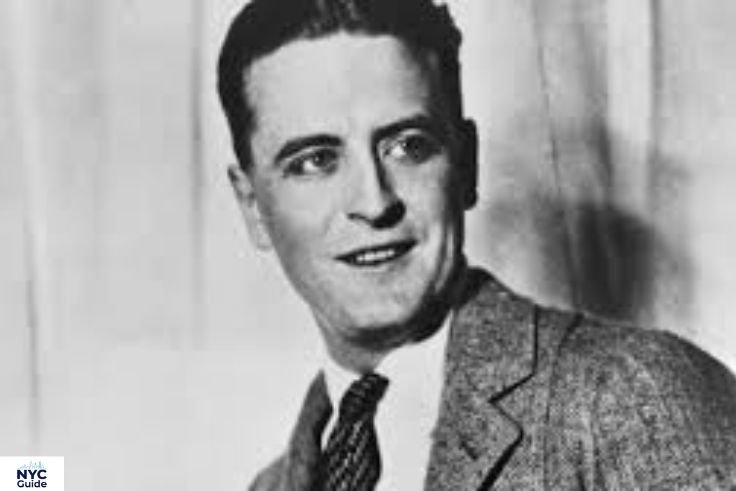
The Harlem Renaissance produced a wave of African American literature that changed the course of American letters. The Beat Generation of the 1950s was centered in Greenwich Village, with writers like Jack Kerouac and Allen Ginsberg gathering at cafes and bookshops that still exist today.
The New York Review of Books, the Paris Review, and dozens of other literary publications are based in the city. The publishing industry, concentrated largely in Midtown and the Flatiron District, is still dominated by New York.
Comic Books and Publishing in NYC
Marvel Comics was born in New York, and most of its superhero stories are set here. Spider-Man swings through Manhattan. The Avengers are based in a tower on Fifth Avenue. This isn’t incidental New York’s visual and cultural drama made it the perfect setting for superhero mythology.
DC Comics, Random House, Penguin, HarperCollins, Simon & Schuster the major publishing houses are all headquartered in New York. The city is the center of the English-language publishing world.
NYC in Movies, Television, and Books
It would be easier to list the great films and shows not set in New York. From King Kong (1933) to Goodfellas, from Breakfast at Tiffany’s to Do the Right Thing, from Seinfeld to The Sopranos New York is the most depicted city in fiction.
Part of this is practical. The city provides a built-in dramatic backdrop. But part of it is deeper: New York represents something in the collective imagination ambition, anonymity, reinvention, the possibility of becoming someone new.
New York’s Influence on Global Trends
New York doesn’t just follow trends it sets them. The fashion that appears on New York runways influences what people wear in London, Tokyo, and São Paulo. The restaurants that open in Brooklyn get written about in food media everywhere. The music that comes out of NYC clubs and studios travels globally within months.
This cultural authority is partly a function of the city’s concentration of media companies, publishers, fashion houses, and cultural institutions. But it’s also about the city’s role as a place where the world converges and produces something new.
Festivals, Celebrations, and Cultural Events
Annual Festivals and Parades
New York’s calendar of festivals and parades is unmatched.
- St. Patrick’s Day Parade (March) — One of the oldest and largest in the world, running up Fifth Avenue since 1762.
- Tribeca Film Festival (April/May) — Major international film event in Lower Manhattan.
- NYC Pride March (June) — One of the largest Pride events on earth, commemorating the Stonewall Riots that happened right here in Greenwich Village.
- Puerto Rican Day Parade (June) — A massive celebration of Puerto Rican culture along Fifth Avenue.
- West Indian American Day Carnival (September) — The largest Caribbean cultural event in North America, held on Eastern Parkway in Brooklyn.
- Macy’s Thanksgiving Day Parade (November) — An American institution watched by millions on television and tens of thousands lining the streets.
Seasonal Events Across the Boroughs
Spring brings the Cherry Blossom Festival at the Brooklyn Botanic Garden, one of the most beautiful events in the city. Summer means free outdoor Shakespeare at Central Park’s Delacorte Theater (Shakespeare in the Park), SummerStage concerts, and Coney Island beach days. Autumn brings the New York Film Festival and the increasingly famous Halloween Parade in Greenwich Village. Winter transforms the city with holiday markets, ice skating in Central Park and Bryant Park, and elaborate storefront displays along Fifth Avenue.
Holiday Traditions in New York City
Christmas in New York City is a genuine cultural experience. The Rockefeller Center Christmas Tree lighting in late November kicks off the season. The store windows at Bloomingdale’s, Saks Fifth Avenue, and Bergdorf Goodman on Fifth Avenue become elaborate animated displays that draw crowds for weeks.
The New Year’s Eve ball drop in Times Square draws hundreds of thousands of people but requires arriving very early and standing for hours. For most locals, a dinner party or a rooftop celebration elsewhere in the city is a more pleasant option.
Cultural Celebrations From Different Communities
The diversity and culture in NYC creates a calendar of celebrations that covers virtually every major world culture. Diwali celebrations happen in Jackson Heights. Lunar New Year is marked with large parades in both Chinatown in Manhattan and in Flushing, Queens. Greek Independence Day has a parade on Fifth Avenue. The Muslim community marks Eid with celebrations across multiple neighborhoods. The Hasidic Jewish communities of Crown Heights and Williamsburg observe major holidays with street celebrations that are fascinating to witness respectfully.
Sports and Recreation as Part of NYC Culture
Major Sports Teams and Fan Culture
Sports are deeply embedded in New York City culture. The city has two baseball teams (Yankees in the Bronx, Mets in Queens), two football teams (Giants and Jets, both in New Jersey but representing New York), two basketball teams (Knicks in Manhattan, Nets in Brooklyn), two hockey teams (Rangers in Manhattan, Islanders on Long Island), and a major MLS soccer team (NYCFC).
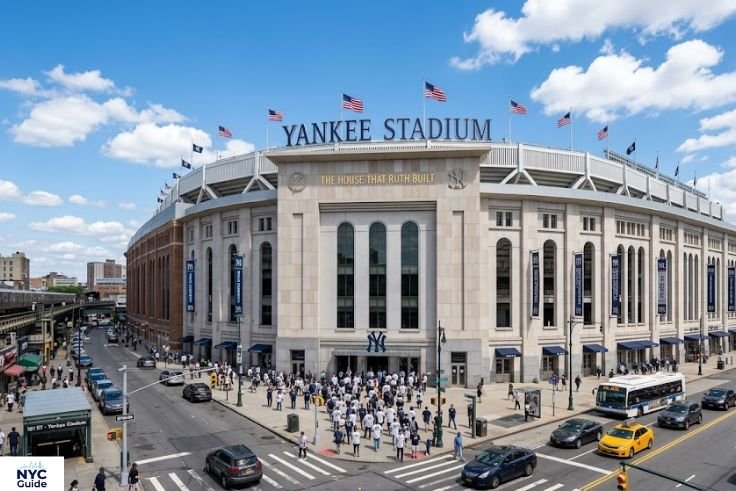
The Yankees-Mets rivalry divides the city. The Yankees, with 27 World Series championships, have a global brand that transcends baseball. Going to a Yankees game at Yankee Stadium is a cultural event as much as a sporting one.
The Knicks at Madison Square Garden have a loyal, passionate fanbase despite decades of frustration. MSG itself “the World’s Most Famous Arena” hosts concerts, boxing matches, and cultural events beyond sports.
Parks, Outdoor Spaces, and Recreation
Central Park is 843 acres of designed landscape in the middle of Manhattan. It’s where New Yorkers jog, picnic, play chess, ride bikes, row boats, watch Shakespeare, and decompress from city life. In summer it hosts free concerts, in winter it has ice skating. It is genuinely the lungs of the city.
Prospect Park in Brooklyn, also designed by Olmsted and Vaux, is beloved by Brooklynites with a similar devotion. The High Line, the Hudson River Greenway, Pelham Bay Park in the Bronx, and Jacob Riis Beach in Queens all provide different outdoor experiences across the boroughs.
Street Basketball, Running, and Local Activities
Street basketball in New York is its own culture. The Rucker Park courts in Harlem are legendary they have hosted NBA stars for decades in informal summer games that draw large crowds. West 4th Street courts in the Village have a similar history and intensity.
Running culture is serious in New York. The NYC Marathon, held every November, is the largest marathon in the world with over 50,000 runners and two million spectators along the course. Runners train year-round in Central Park, Prospect Park, and along the Hudson River path.
Hidden Gems and Local Favorites
Small Venues With Big Character
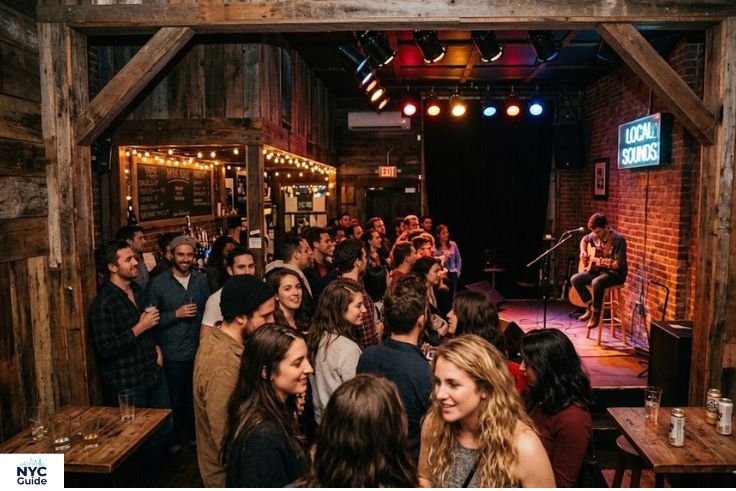
- Pete’s Candy Store in Williamsburg — A tiny bar in a former candy shop with a back room that hosts intimate live music, spelling bees, and reading series.
- Housing Works Bookstore Cafe in SoHo — A used bookstore and cafe that also hosts readings, open mics, and concerts. Profits go to a charity serving the homeless.
- Jalopy Theatre in Red Hook — A roots music venue specializing in folk, bluegrass, and old-time American music in a neighborhood most tourists never reach.
Lesser-Known Museums and Art Spaces
- The City Reliquary in Williamsburg — A tiny community museum dedicated to the history and artifacts of New York City life.
- The Black Fashion Museum (currently without a permanent home, but hosts exhibitions) — Preserves and celebrates African American contributions to fashion history.
- Interference Archive in Gowanus, Brooklyn — A community archive of social movement culture, posters, and political art. Free to enter.
- Mmuseumm in a Lispenard Street freight elevator in Tribeca — Possibly the world’s smallest museum, with a single-topic exhibition that changes regularly.
Unique Neighborhood Experiences
Walk the streets of Arthur Avenue in the Bronx — the “real Little Italy” — and buy fresh pasta, talk to the butcher, and eat in places that haven’t changed in decades. Visit the Fulton Fish Market in the early morning hours at Hunts Point to see one of the city’s great wholesale markets still operating. Take the Staten Island Ferry at night for the skyline view with no crowds and no cost.
Discovering Something Different Beyond Tourist Spots
The best way to experience New York City beyond the tourist circuit is to pick one neighborhood per day and walk it slowly. Go to a neighborhood farmers market. Sit in a local park for an hour. Walk into a bookstore or record shop with no agenda. Eat at a restaurant with no English on the outside sign. These are the experiences that make you feel the actual texture of the city rather than its surface.
Budgeting and Accessibility for Exploring NYC Culture
Free Museums and Cultural Attractions
New York City cultural attractions don’t have to be expensive. Many major institutions are free or pay-what-you-wish:
- The Met — Pay-what-you-wish for New York State residents. Suggested $30 for others.
- MoMA — Free for New York residents on Friday evenings 5:30–9pm.
- The Brooklyn Museum — First Saturday of each month is free, 5pm–11pm.
- The Noguchi Museum — First Friday of each month is pay-what-you-wish.
- The High Line — Always free.
- Staten Island Ferry — Always free, with spectacular skyline views.
- Central Park — Free always.
- Many Chelsea galleries — Free to enter.
Cultural Passes and Ticket Hacks
The New York CityPASS and New York Pass offer bundled admission to multiple attractions at a discount. For theater, the TKTS booth at Times Square (and in Brooklyn’s MetroTech) offers same-day discounts. Many Broadway shows offer digital lottery tickets through their official websites and the TodayTix app, sometimes for as little as $30–$40.
Museum Mile Festival in June offers free entry to nine museums along Fifth Avenue for one evening. It draws large crowds but is worth it for the value.
How to Navigate the City Efficiently
The subway is the best way to get around. A single ride costs $2.90, and an unlimited weekly MetroCard is $34. The subway runs 24 hours, seven days a week. Apps like Citymapper and the MTA’s own app give real-time train information.
For shorter distances, the Citi Bike bike-sharing program is excellent. A day pass costs $19 for unlimited 30-minute rides. Walking is often faster than any vehicle in Midtown during peak hours.
Avoid taxis in Midtown during rush hour. Ride-share apps work but surge pricing can be extreme during busy times.
Best Times of Year to Experience NYC Culture
Late September through early November is arguably the best time to visit New York for culture. The weather is comfortable, the summer crowds have thinned, the arts season is fully underway, and the city is at a kind of peak. Spring (April and May) is also excellent.
Summer is hot and crowded but brings free outdoor concerts, Shakespeare in the Park, and a certain electric energy. Winter is cold but Christmas season is genuinely magical and hotel prices often drop after the holidays.
Avoid the week between Christmas and New Year if crowds are a concern — it’s the most intensely tourist-heavy week of the year.
What’s New and Emerging in NYC Culture
New Art Spaces and Cultural Districts
Several new cultural spaces have opened or expanded in recent years. The Hudson Yards development on Manhattan’s Far West Side includes the Shed, a flexible arts center designed for large-scale performances and installations. Little Island, an artificial park built on the Hudson River at Pier 55, opened in 2021 and hosts free performances.
The Cornell Tech campus on Roosevelt Island has become a hub for technology and design culture. Industry City in Sunset Park, Brooklyn, has transformed a complex of former warehouses into studios, galleries, food markets, and creative businesses.
Trends in Food, Fashion, and Entertainment
The NYC arts and entertainment scene continues to evolve. Immersive theater experiences have grown significantly shows like Sleep No More have inspired a wave of participatory, non-traditional theater formats. Pop-up dining experiences, chef’s table formats, and hyper-specialized restaurants (devoted to a single dish or region) continue to expand the food culture.
In fashion, the shift toward vintage, sustainable, and independent designers is visible at markets like Brooklyn Flea and Artists & Fleas in Chelsea Market. New York Fashion Week increasingly features emerging designers alongside established houses.
Emerging Neighborhoods to Watch
Bushwick in Brooklyn has been an emerging arts neighborhood for over a decade and continues to grow. The South Bronx is seeing increased cultural investment and gallery activity. Ridgewood on the Brooklyn-Queens border has become a spot for artists, musicians, and food entrepreneurs priced out of Williamsburg. Gowanus in Brooklyn is undergoing a significant transformation as residential and commercial development brings new energy.
The Future of Culture in New York City
New York City culture has always evolved under pressure — economic, social, political. The challenge of the current era is affordability. Rising rents have displaced artists and creative communities from neighborhoods they helped build. This is a genuine tension without an easy resolution.
At the same time, the city’s fundamental character — its density, its diversity, its hunger for the new — continues to generate cultural production at an astonishing rate. New voices, new forms, and new ideas emerge from New York constantly. The city will keep reinventing itself because that is simply what it does.
Things to Keep in Mind Before Exploring NYC Culture
Respecting Local Customs
New York is a city of rules, both written and unwritten. On escalators, stand right, walk left. On the subway, give up your seat for elderly, pregnant, or disabled riders this is expected and observed. Don’t linger in doorways or at the top of subway staircases. Don’t stop abruptly in the middle of a crowded sidewalk.
In cultural spaces museums, theaters, galleries the usual standards apply but are enforced here. No photography in certain galleries. Phones on silent (or off) in theaters. Be quiet during performances.
Staying Safe in Crowded Areas
New York is considerably safer than its reputation from the 1970s and 1980s would suggest. The main concerns in tourist-heavy areas are pickpocketing and scams. Keep your wallet in your front pocket in Times Square and on crowded subway platforms. Be wary of anyone who approaches you with tickets, invitations to free comedy shows, or requests for “just one minute” of your time on a tourist block.
The subway is generally safe, including at night, though awareness of your surroundings is always sensible. The safest approach is to simply look like you know where you’re going, even if you don’t.
Planning Around Weather and Transportation
New York weather is genuinely variable. Summers are hot and humid, often reaching over 90°F (32°C) in July and August. Winters can be cold with occasional heavy snow. Spring and fall are beautiful but unpredictable bring layers.
The subway is largely immune to weather, which is one of its great advantages. Surface transportation — buses, taxis, ride-shares slows dramatically in heavy rain or snow. Plan extra time on days with severe weather.
Making the Most of Your Visit
Plan neighborhoods, not just attractions. If you’re visiting the Met, spend the rest of that day on the Upper East Side and walk through Central Park. If you’re going to Brooklyn Museum, spend time in Prospect Park and the surrounding neighborhood of Park Slope.
Talk to people. Ask your hotel bartender, your Airbnb host, or the person next to you at the coffee counter where they actually go. The best New York experiences are almost never in the guidebooks.
Frequently Asked Questions
The High Line, Staten Island Ferry, Central Park, many Chelsea art galleries, MoMA on Friday evenings for NY residents, and the Met on a pay-what-you-wish basis for New York State residents are among the best free or low-cost cultural experiences.
New York City is best known for Broadway theater, world-class museums like the Metropolitan Museum of Art and MoMA, its role in the birth of jazz and hip-hop, diverse food culture, and its status as a global center for fashion, publishing, and contemporary art.
Yes. New York City is significantly safer than it was in the 1980s and 1990s. The main concerns are pickpocketing in crowded tourist areas. Normal urban awareness — stay alert, keep valuables secure, look confident — is sufficient for the vast majority of visitors.
September through November offers the best combination of comfortable weather, a full arts season, and fewer tourist crowds. Spring (April–May) is also excellent. Summer has more outdoor events; winter has holiday magic but peak crowds.
Manhattan’s Chelsea and Greenwich Village, Brooklyn’s Williamsburg and DUMBO, and the wider areas around MoMA and the Met on the Upper East Side are top neighborhoods for arts and culture. Each borough also has its own distinct creative scene.
Final Thoughts on New York City Culture
New York City culture cannot be summarized. It can only be experienced, layer by layer, neighborhood by neighborhood, borough by borough. What makes it remarkable is not any single museum or theater or food scene it’s the totality of it. The way everything coexists and collides and creates something new in the process.
After years of visiting, moving through, and writing about cities around the world, I keep coming back to the same conclusion: there is nowhere else where human diversity produces such concentrated cultural output. The traditions of New York City are not fixed in the past. They are being made right now, on a street corner in Queens, in a rehearsal room in the Bronx, in a gallery opening in Chelsea, in a basement music venue in Brooklyn.
Whether you have three days or three months, the city will give you more than you expect. The key is to stay curious, stay open, and let go of the idea that you can see all of it. You can’t. That’s the point. Come back again.