
Downtown New York City can feel overwhelming at first. So many streets, neighborhoods , and landmarks packed into one area it’s hard to know where to start. Whether you’re visiting for the first time or returning after years, figuring out what to do in downtown NYC takes some planning. I’ve been to this part of the city multiple times, and each visit still surprises me with something new.
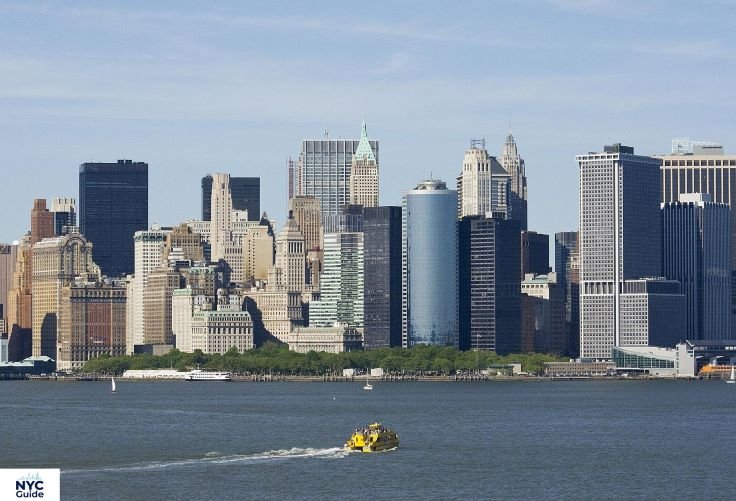
The good news is that Lower Manhattan is actually very walkable and well-connected. Most of the major attractions are within a short distance of each other. This guide will walk you through everything from iconic landmarks to hidden gems, food spots, history, and practical travel tips. By the end, you’ll have a clear picture of what downtown New York City offers.
This is not just a list of places. It’s a complete lower Manhattan travel guide built around how real travelers explore the area. Let’s get into it.
What Is Downtown New York City?
Definition of Downtown NYC
Downtown New York City refers to the southern portion of Manhattan island. It includes some of the oldest, most historically significant parts of the city. This is where New York began long before the glass towers of Midtown existed.
When people say “downtown,” they typically mean the area below 14th Street in Manhattan. This zone covers everything from the Financial District at the very tip of the island up through neighborhoods like SoHo, Tribeca, and the Lower East Side.
Location in Manhattan
Lower Manhattan sits at the southern end of the island. It is bordered by the Hudson River to the west and the East River to the east. The Brooklyn Bridge connects it to Brooklyn on the east side, while ferries and tunnels link it to New Jersey and other boroughs.
Boundaries (Below 14th Street / Lower Manhattan)
The general boundary of downtown NYC runs along 14th Street to the north. Everything south of that line including the Financial District, Chinatown, SoHo, Tribeca, the Seaport District, and the Lower East Side falls under the downtown umbrella.
Difference from Midtown
Midtown Manhattan is the tourist-heavy center of the city Times Square, Empire State Building, and Central Park. Downtown is different. It’s older, more layered with history, and feels more like a real neighborhood. The energy is calmer in many parts, the architecture is more varied, and the cultural mix is much richer.
Overview of Lower Manhattan Neighborhoods
Financial District (FiDi)
The Financial District is the historic center of New York City. This is where Wall Street runs, where the New York Stock Exchange operates, and where you’ll find One World Trade Center dominating the skyline. The streets here are narrow and old many of them follow the original colonial-era paths.
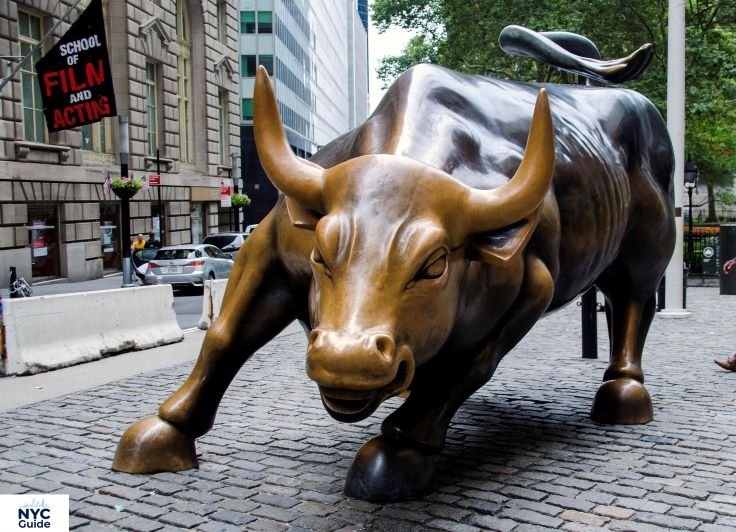
Wall Street is the symbolic heart of global finance. Even if you’re not interested in economics, walking this street feels significant. The Federal Hall National Memorial stands at the corner where George Washington took his first presidential oath. The Bull statue near Bowling Green has become one of the most photographed spots in all of NYC.
FiDi is busy on weekdays and surprisingly quiet on weekends which actually makes it a great time to explore without the crowds.
SoHo
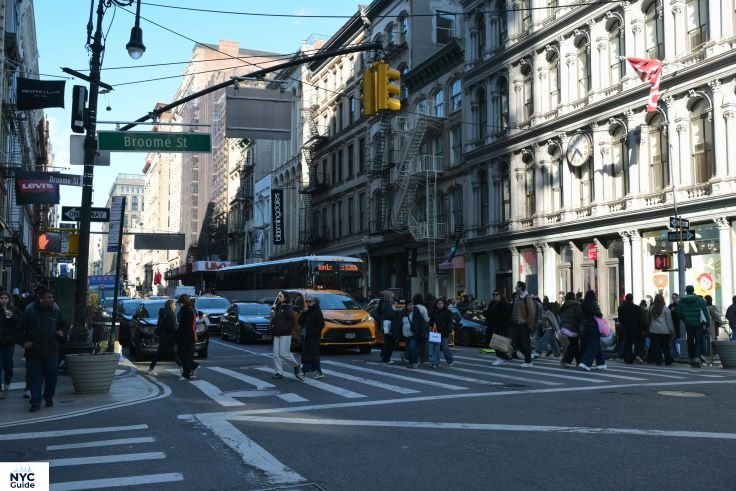
SoHo stands for “South of Houston Street.” It’s best known for its cast-iron architecture, high-end shopping, and art galleries. Walking through SoHo feels like being in a fashion magazine the cobblestone streets, boutique storefronts, and beautiful building facades create an atmosphere unlike anywhere else in the city.
If you’re into shopping, this is one of the best spots in Lower Manhattan. You’ll find major brands alongside independent designers. Spring Street and Prince Street are the most lively corridors.
Tribeca
Tribeca short for “Triangle Below Canal Street” has a quieter, more luxurious feel. It’s one of the most expensive neighborhoods in the entire country. The streets are lined with converted warehouse lofts, upscale restaurants, and film production spaces. Robert De Niro co-founded the Tribeca Film Festival here, and that creative energy still shapes the neighborhood.
If you want to escape the tourist buzz and experience a more residential, upscale side of downtown Manhattan, Tribeca is worth an afternoon.
Chinatown & Little Italy
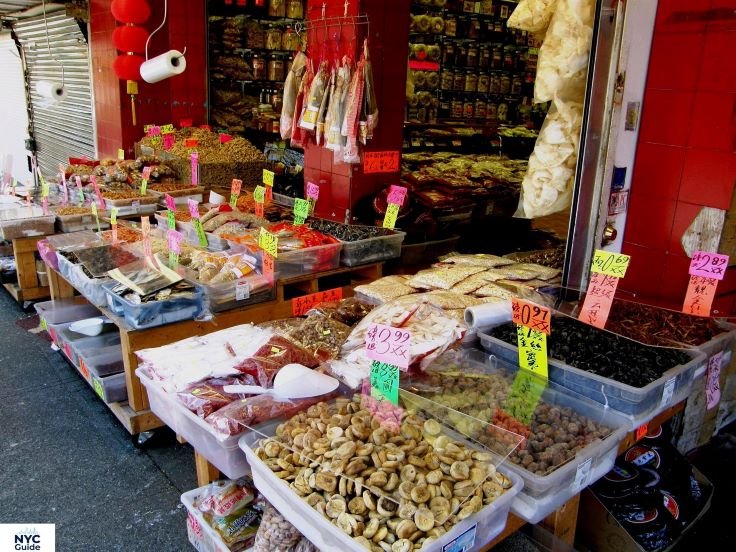
These two neighborhoods sit side by side, and together they offer one of the most immersive cultural experiences in the city. Chinatown is one of the oldest and largest Chinese communities in the Western Hemisphere. The streets are packed with vendors, dim sum restaurants, herbal medicine shops, and fresh seafood markets.
Little Italy sits just north of Chinatown along Mulberry Street. While it has shrunk over the decades, it still holds charm especially around the outdoor dining areas and old-school Italian restaurants. The food here is excellent. I always stop at one of the old cannoli spots on Mulberry when I’m in the area.
Seaport District
The Seaport District sits along the East River waterfront. It blends old New York maritime history with modern dining and entertainment. Pier 17 is the main hub a rooftop venue with food, concerts, and incredible views of the Brooklyn Bridge. The cobblestone streets of Fulton Street and Schermerhorn Row give this area a historic feel that stands out from the rest of downtown.
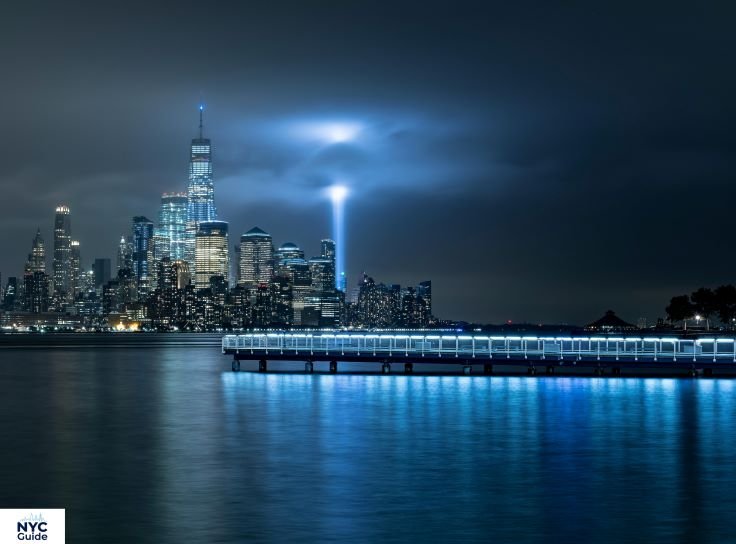
Top Attractions in Downtown New York City
One World Trade Center
One World Trade Center is the tallest building in the Western Hemisphere at 1,776 feet a number chosen deliberately to honor the year of American independence. The observation deck, called One World Observatory, sits on floors 100 to 102. The views from up there are absolutely stunning. On a clear day, you can see for miles in every direction.
Tickets: Around $42 for adults, $36 for children. Book online in advance to skip the line.
Hours: Generally 9 AM to 9 PM, with seasonal variations.
Tip: Visit on a weekday morning for fewer crowds.
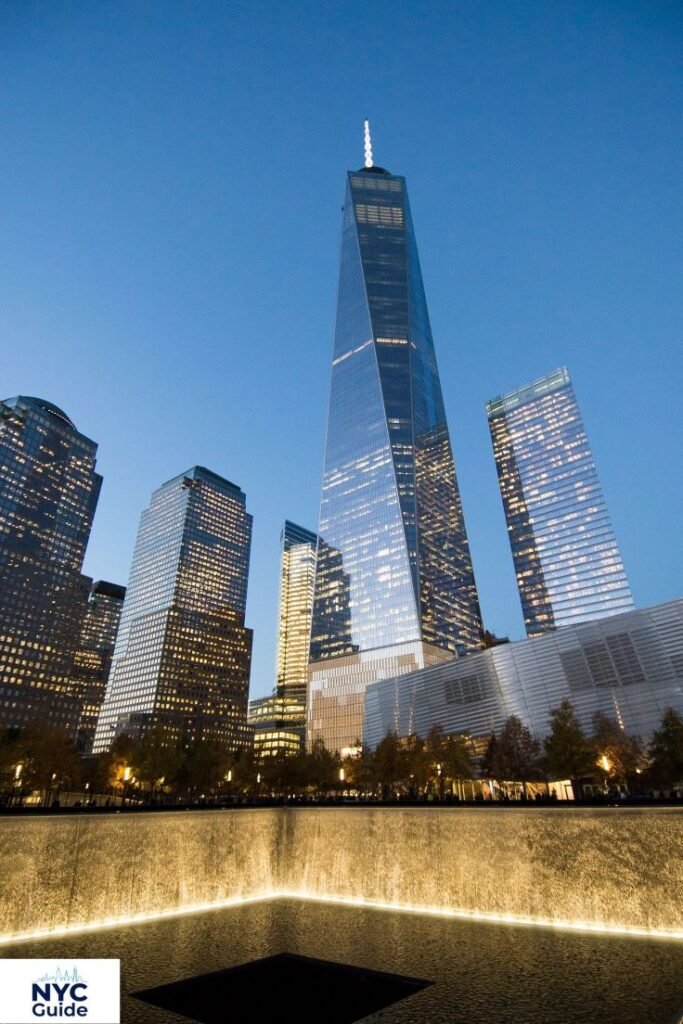
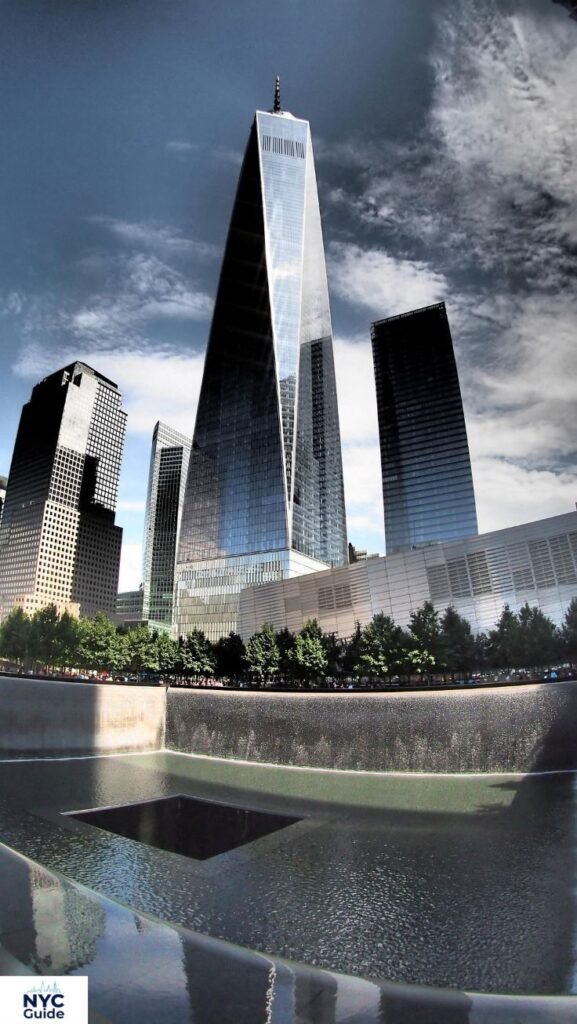
9/11 Memorial & Museum
This is one of the most emotionally powerful sites in the entire city. The two reflecting pools sit in the footprints of the original Twin Towers. The names of all 2,977 victims are inscribed around the edges. The museum below ground tells the full story of that day with incredible depth and sensitivity.
Memorial: Free and open daily.
Museum: Around $33 for adults. Free on Tuesday evenings.
Tip: Give yourself at least two hours for the museum. It’s more extensive than most people expect.
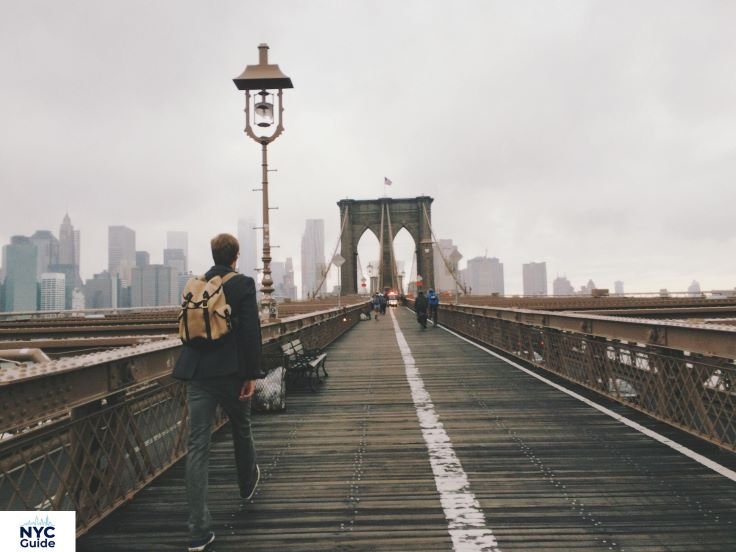
Brooklyn Bridge
Walking across the Brooklyn Bridge is one of the best things to do in Lower Manhattan and it’s completely free. The pedestrian path runs above the traffic lanes, giving you unobstructed views of the East River and the Manhattan skyline. I’ve done this walk at sunrise, and the light on the water is something I still think about.
The walk takes about 30–40 minutes one way. You can return by subway from the Brooklyn side.
The Oculus
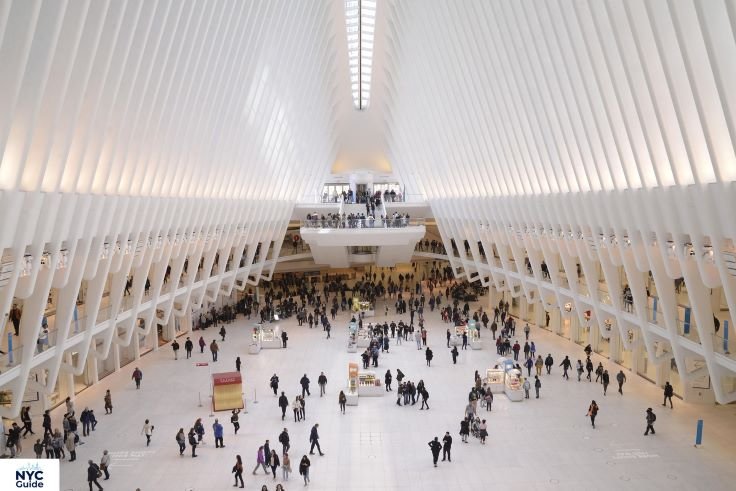
The Oculus is the transit hub and shopping center built at the World Trade Center site. Designed by architect Santiago Calatrava, it looks like a massive white bird taking flight. Inside, the white ribbed interior is breathtaking. Even if you don’t shop here, it’s worth stepping inside just to see the architecture.
It’s free to enter and open daily.
Battery Park
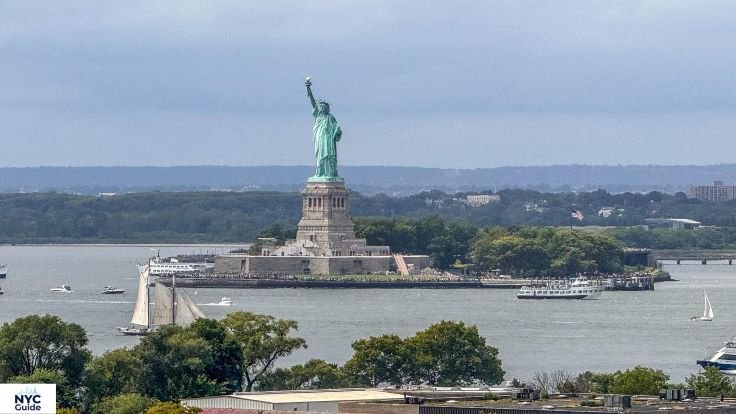
Battery Park sits at the very southern tip of Manhattan. It’s a green waterfront space with sweeping views of New York Harbor, the Statue of Liberty, and Ellis Island. Locals come here to relax. Tourists come to catch the ferries to Liberty Island. Either way, it’s a pleasant open space that feels like a natural pause point after all the intensity of the Financial District.
Trinity Church
Trinity Church at the corner of Broadway and Wall Street has been a fixture of Lower Manhattan since the 17th century. The current Gothic Revival building dates to 1846. Alexander Hamilton is buried in the churchyard behind it. Walking through the cemetery among the old headstones while surrounded by modern skyscrapers is one of those surreal downtown NYC experiences.
Entry: Free. Open to visitors daily.
Waterfront & Ferry Experiences
The Battery & Waterfront Views
Battery Park and the surrounding waterfront offer some of the best free views in New York City. On a clear day you can see Governor’s Island, the Verrazano-Narrows Bridge, and the New Jersey skyline across the Hudson. The waterfront promenade is great for an early morning or evening walk.
Statue of Liberty & Ellis Island Ferries
The ferry to the Statue of Liberty departs from Battery Park. This is the only way to reach Liberty Island. The Statue of Liberty is one of the most recognizable icons in the world seeing it up close is a completely different experience than seeing it from shore.
Tickets: Around $24 for adults for the ferry (includes Ellis Island). Crown access requires a separate, more expensive reservation booked months in advance.
Ferry hours: Generally 9 AM departures, last return around 5:30 PM.
Tip: Book tickets weeks ahead, especially in summer. Same-day tickets often sell out.
Ellis Island is included in the same ferry ticket. The immigration museum there is deeply moving it tells the story of over 12 million immigrants who passed through between 1892 and 1954.
Staten Island Ferry Experience
The Staten Island Ferry is completely free and runs 24 hours a day. It departs from the Whitehall Ferry Terminal at the edge of Battery Park. The 25-minute ride gives you close-up views of the Statue of Liberty and beautiful perspectives of the Manhattan skyline. Many visitors ride it purely for the views and then take the return ferry back.
This is hands-down one of the best free experiences in all of New York City.
Best Things to Do in Downtown NYC
Walking Tours & Exploration
Downtown Manhattan is one of the most walkable areas in the city. The historic streets of the Financial District like Stone Street, Exchange Place, and Broad Street reward slow exploration. Self-guided walking tours are easy to plan using free maps available at most hotels and visitor centers.
I recommend starting at Battery Park and walking north through FiDi, past the 9/11 Memorial, through the Oculus, and then continuing into Tribeca or SoHo depending on your interests.
Bridge Walks
Walking the Brooklyn Bridge is the most popular bridge walk in the city. Start from the Manhattan side at Centre Street near City Hall. The walk is about 1.3 miles and takes 30–45 minutes at a leisurely pace.
The Manhattan Bridge is less crowded and offers a slightly different view. The pedestrian path is narrower and runs alongside the subway tracks, which creates an unusual sensory experience.
Cruises & Harbor Tours
Several companies offer sightseeing cruises departing from piers around Lower Manhattan. Circle Line and Spirit Cruises are among the most established. These tours give you full views of the Manhattan skyline from the water a perspective you simply can’t get from land.
Prices range from $30 to $60 depending on the duration and type of cruise. Evening cruises during sunset are particularly scenic.
Museums & Cultural Experiences
9/11 Museum
Already mentioned under attractions, but worth emphasizing as a cultural site. The 9/11 Memorial Museum is one of the most significant historical museums in the United States. It preserves artifacts, recordings, and personal stories from that day and its aftermath with a level of detail and sensitivity that is genuinely remarkable.
Whitney Museum of American Art
The Whitney is located near the southern end of the High Line in the Meatpacking District on the border of downtown. It focuses on 20th and 21st century American art. The building itself, designed by Renzo Piano, is worth seeing. The rooftop terrace has excellent views of the Hudson River.
Tickets: Around $25 for adults. Free on Fridays from 7–10 PM.
Tenement Museum
Located on the Lower East Side, the Tenement Museum tells the stories of immigrant families who lived in a preserved 19th-century tenement building at 97 Orchard Street. Tours are guided and focus on specific families from different eras and ethnic backgrounds.
This is one of the most unique and underrated museum experiences in NYC. My friends who visited called it one of the highlights of their entire trip.
Tickets: Around $30. Advance booking required.
Museum of Jewish Heritage
Situated in Battery Park City, this museum preserves and presents the history and culture of Jewish people before, during, and after the Holocaust. It’s a moving and important institution. The memorial garden outside offers quiet reflection space with waterfront views.
Tickets: Around $18 for adults. Free on Wednesdays from 4–8 PM.
Food & Dining in Downtown NYC
Iconic Food Spots
Katz’s Delicatessen on the Lower East Side has been open since 1888. Their pastrami sandwich is legendary thick-cut, slow-cured, and served on rye bread. It’s not cheap (around $25 for a sandwich), but it’s genuinely one of the best deli experiences in the world. Go early to avoid the longest lines.
Dominique Ansel Bakery in SoHo is the birthplace of the Cronut the croissant-donut hybrid that went viral worldwide. The bakery has since expanded its menu significantly. Their seasonal pastries are creative and consistently excellent. Arrive when they open to have the best selection.
Chinatown & Little Italy Food Scene
Chinatown is one of the best places for affordable, authentic food in all of Manhattan. Joe’s Shanghai on Pell Street is famous for their soup dumplings. Dim sum spots along Mott Street offer weekend brunch experiences worth waking up early for. Street vendors sell everything from roasted nuts to fresh fruit at very reasonable prices.
Little Italy along Mulberry Street has a handful of classic Italian restaurants that have been around for decades. Ferrara Bakery has been serving cannoli and espresso since 1892 it’s as close to a living piece of New York history as you’ll find.
Unique Experiences
Food tours are an excellent way to explore the cultural neighborhoods of downtown Manhattan. Several companies offer guided tours through Chinatown, the Lower East Side, and Little Italy that combine history with tastings. These tours typically cost $50–$80 and last 2–3 hours.
Stone Street in the Financial District is a cobblestone pedestrian alley lined with restaurants and bars. On warm evenings the outdoor seating fills up with after-work crowds and it has a genuinely festive atmosphere.
Hidden Gems & Unique Experiences
The Russian & Turkish Baths on 10th Street in the East Village (just north of downtown proper) have been operating since 1892. They offer an old-world bathhouse experience steam rooms, cold plunge pools, and platza oak leaf treatments. It’s a completely unexpected and deeply relaxing escape from city life.
Essex Market on the Lower East Side is a modern food hall that evolved from the old pushcart markets of the early 1900s. It’s filled with local vendors selling everything from artisan cheese to specialty hot sauce. Less touristy than Chelsea Market, it has a genuine neighborhood character.
Governors Island is a short ferry ride from the Battery Maritime Building. This former military base turned public park is largely unknown to first-time visitors. It has stunning views of Manhattan, art installations, food vendors, and wide open green spaces. No cars are allowed, which makes it remarkably peaceful.
The African Burial Ground National Monument near City Hall is one of the most significant archaeological sites in the city. It marks the burial site of over 15,000 enslaved and free Africans from the 17th and 18th centuries. It’s free, sobering, and important.
History of Downtown New York City
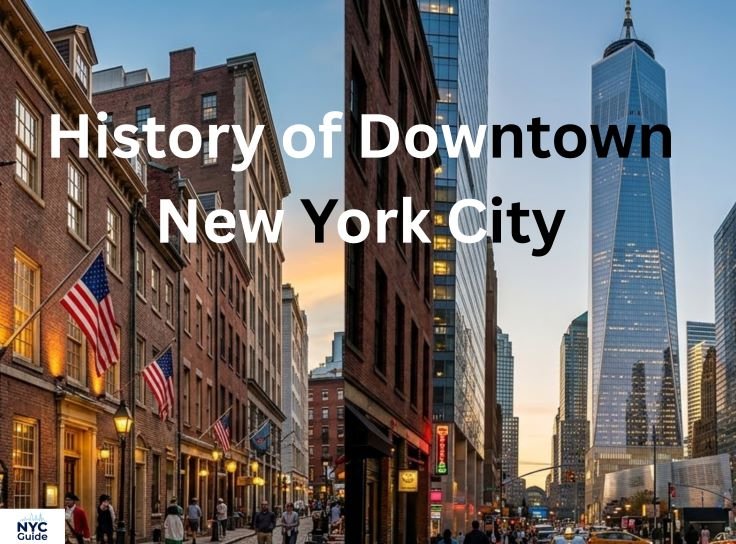
Downtown Manhattan is the oldest part of New York City, and its history is woven into the streets, buildings, and neighborhoods that still exist today.
The first European settlement in what is now New York was established by the Dutch in the early 1600s. They called it New Amsterdam. The settlement began at the southern tip of Manhattan island the very area we now call the Financial District. The Dutch built a wall along what is now Wall Street to protect the colony from British and Native American threats. When the British took control in 1664, they renamed the city New York.
Through the 18th and 19th centuries, Lower Manhattan grew rapidly as a center of commerce and finance. The New York Stock Exchange was established in 1792. Waves of immigrants arrived through Castle Garden and later Ellis Island, settling in neighborhoods like the Lower East Side, Chinatown, and Little Italy. These communities shaped the cultural identity of downtown in ways that are still visible today.
The completion of the Brooklyn Bridge in 1883 was a major milestone. It connected Manhattan to Brooklyn and transformed the city’s growth. The early 20th century brought more commercial development, with skyscrapers beginning to define the downtown skyline.
The September 11, 2001 terrorist attacks caused devastating destruction to the southern end of Manhattan. The Twin Towers of the World Trade Center collapsed, killing 2,977 people. The attack left a physical and emotional wound on the city that took years to begin healing. The rebuilding process was slow and complicated. One World Trade Center was completed in 2014. The 9/11 Memorial opened in 2011, and the museum followed in 2014.
Today, downtown New York City is a place of remarkable contrasts ancient streets alongside modern towers, immigrant communities beside billionaire lofts, solemn memorials within walking distance of rooftop bars. The modern redevelopment of the Seaport District, Hudson Square, and the World Trade Center complex has made Lower Manhattan one of the most dynamic areas in the entire city.
Where to Stay in Downtown NYC
Downtown Manhattan offers a range of accommodation options depending on your budget and priorities.
Luxury hotels like the Four Seasons New York Downtown, 1 Hotel Manhattan, and the Conrad New York Downtown offer high-end service with excellent locations. Expect to pay $400–$700+ per night. These properties often include rooftop bars with skyline views.
Mid-range hotels such as the Club Quarters World Trade Center and the Courtyard by Marriott World Trade Center are well-located and reasonably priced for Manhattan usually $200–$350 per night. These are solid choices for travelers who want comfort without the luxury price tag.
Budget options are limited in downtown Manhattan specifically, but the nearby areas of the Lower East Side and SoHo have boutique hotels and hostels that offer cheaper rates while keeping you close to all the major attractions.
Best areas to stay:
- Financial District for easy access to 9/11 Memorial, Brooklyn Bridge, and Battery Park
- SoHo for shopping, dining, and a central location
- Tribeca for a quieter, upscale experience
One mistake many visitors make is booking hotels in Midtown and then commuting downtown daily. If your trip focuses on Lower Manhattan, staying downtown saves significant time and makes the experience far more enjoyable.
How to Get Around Downtown Manhattan
Subway: The subway is the fastest way to move around. The 1, 2, 3, 4, 5, A, C, E, J, Z, N, R, and W lines all serve various parts of downtown Manhattan. The Fulton Center station connects multiple lines in the heart of FiDi. A single ride costs $2.90 with a MetroCard.
Walking: Downtown Manhattan is genuinely one of the best areas in the world for walking. Most major attractions are within 10–20 minutes of each other on foot. Wear comfortable shoes the cobblestone streets in FiDi and SoHo can be hard on your feet.
Ferry: NYC Ferry connects multiple waterfront points. The South Brooklyn and East River routes serve the downtown waterfront. The free Staten Island Ferry is an option for harbor views.
Citi Bike: The city’s bike-share program has numerous docking stations throughout downtown. A 30-minute ride costs around $4.50 with a day pass. It’s a great way to cover more ground and see the waterfront paths.
Taxi / Rideshare: Uber and Lyft are widely available. Taxis are plentiful during business hours. Avoid using them during rush hour traffic in Lower Manhattan can make a simple 10-minute walk faster than a 30-minute ride.
Best Time to Visit Downtown NYC
Spring (April–June) is the best overall time to visit. Temperatures are comfortable (55–75°F), crowds are manageable before the peak summer rush, and the city is genuinely beautiful with blooming trees throughout Battery Park and the surrounding areas.
Fall (September–November) is equally pleasant. The weather is crisp, the light is excellent for photography, and the tourist numbers drop significantly after Labor Day. October is particularly wonderful.
Summer (July–August) is peak season. The attractions are busiest, prices are highest, and the city can be very hot and humid. If you visit in summer, go to major attractions early in the morning and plan indoor activities for midday.
Winter (December–February) is the quietest season. Crowds are thin, prices drop, and the city has a certain atmospheric quality in the cold. The 9/11 Memorial pools are particularly striking in winter light. However, be prepared for cold temperatures and possible snow.
Day vs Night: Downtown Manhattan looks completely different at night. The lit skyline, the quiet Financial District streets, and the waterfront views after dark are all excellent. The Oculus is beautifully lit at night. The Brooklyn Bridge walk at dusk is one of the finest urban experiences in the world.
Downtown NYC vs Other NYC Areas
| Area | What It’s Known For | Best For |
| Downtown | Finance, history, culture, waterfront | History lovers, culture seekers, first-time visitors |
| Midtown | Tourism, major landmarks, theater | Times Square, Empire State, Broadway |
| Uptown | Culture, museums, residential | Museum Mile, Central Park, local life |
| Brooklyn | Arts, food, bridge views | Hip neighborhoods, authentic NYC feel |
Downtown offers something the other areas simply can’t match: the combination of the city’s oldest history alongside its most defining modern tragedy and renewal. It’s the only part of Manhattan where you can walk from a 17th-century churchyard to a 21st-century supertall skyscraper in under five minutes.
Conclusion
Downtown New York City is not just another tourist zone. It is the foundation of one of the greatest cities ever built. Every street here has a story. Every neighborhood carries layers of culture, struggle, ambition, and resilience.
From the iconic skyline views of One World Trade Center to the quiet emotion of the 9/11 Memorial, from the street food of Chinatown to the cobblestones of the Seaport District this part of Manhattan rewards every type of traveler. History enthusiasts, foodies, architecture lovers, and casual explorers all find something genuinely meaningful here.
The financial district of New York City is where American capitalism was born. The immigrant neighborhoods below Canal Street show how the world arrived on these shores and made something extraordinary. The rebuilt waterfront proves that cities, like their people, can recover and grow stronger.
If you only have one area of New York to explore deeply, make it downtown New York City. Come with comfortable shoes, a curious mind, and enough time to actually slow down. The city will do the rest.
Frequently Asked Questions
Downtown NYC is known for its history, financial landmarks, and iconic attractions. Key sites include Wall Street, One World Trade Center, the 9/11 Memorial, Brooklyn Bridge, and Battery Park.
Yes. Downtown Manhattan is one of the most walkable areas in the city. Most major attractions are within 15–20 minutes walking distance of each other.
Two to three days is ideal for covering the major attractions, exploring neighborhoods like SoHo and Chinatown, and taking a ferry to the Statue of Liberty. One full day is enough for a focused highlights tour.
Yes. Downtown Manhattan is generally very safe for tourists. Like any major city, basic precautions apply keep your belongings secure and stay aware of your surroundings, especially in crowded areas.
The Staten Island Ferry offers free harbor views and close-up sights of the Statue of Liberty. Walking the Brooklyn Bridge and visiting the 9/11 Memorial (the outdoor pools, not the museum) are also free and highly worthwhile.