
Planning a New York City vacation can feel overwhelming at first. The city is massive, loud, and packed with options at every corner. It’s easy to feel lost before you even book your flight. But once you break it down, NYC is one of the most rewarding trips you’ll ever take.

This guide covers everything you need to plan a smooth, enjoyable trip. From the best time to visit to where to stay, what to see, and how to get around it’s all here. Whether it’s your first visit or your fifth, you’ll leave better prepared.
New York City has something for every kind of traveler. Families, solo explorers, couples, and groups all find their own version of the city. This Manhattan NYC attractions guide will help you build a vacation that actually fits your style.
Planning a Vacation to New York City
Why Visit NYC
New York City is one of those places that lives up to the hype. I visited for the first time over a decade ago, and honestly, nothing fully prepared me for it. The scale of the skyline, the energy in the streets, the variety of food it hits differently in person.
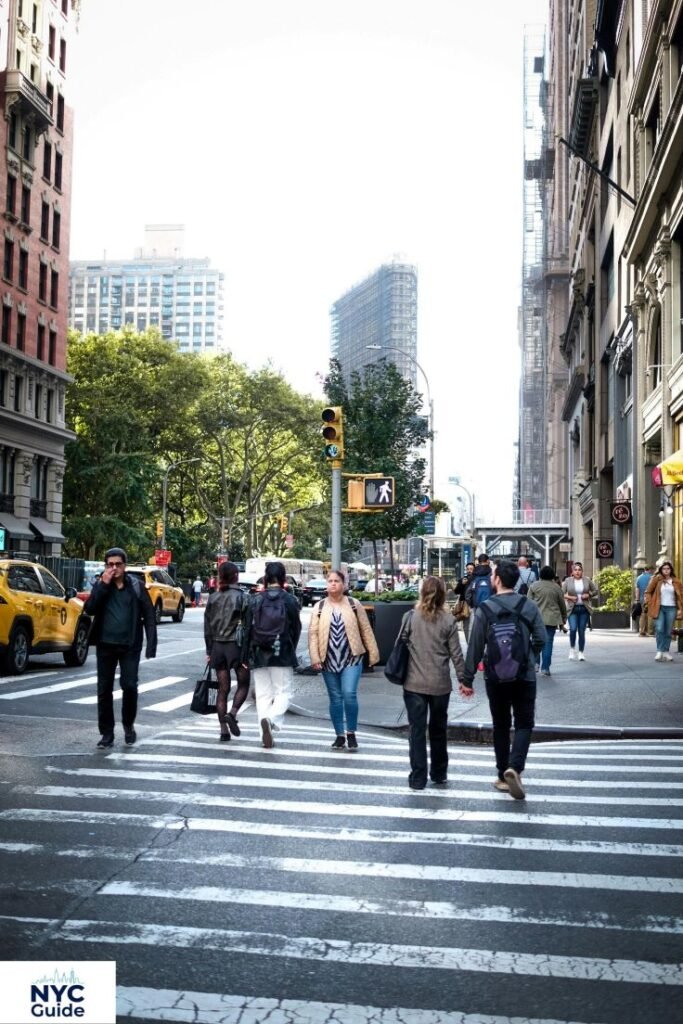
NYC is a city of neighborhoods. Each one has its own personality. Manhattan moves fast and shines bright. Brooklyn is creative and laid-back. Queens is a food lover’s dream. The Bronx has culture and history that most tourists miss. Staten Island offers a quieter, more residential side of the city.
What Makes NYC Unique
No other city in the world packs this much into one place. World-class museums, Broadway shows, iconic food scenes, and some of the most recognizable landmarks on earth all within subway distance of each other.
The city is also incredibly walkable in many areas. You can wander from a bagel shop to a gallery to a rooftop bar all in one afternoon. The mix of cultures, cuisines, and experiences is genuinely unmatched.
Best Time for a New York City Vacation
The best time to visit New York City depends on what you want from the trip. Each season has clear pros and cons.
Spring (March – May)
Spring is one of the most popular times to visit, and for good reason. Temperatures are mild, usually between 50°F and 70°F. Central Park comes alive with cherry blossoms in April. Crowds are manageable compared to summer. It’s a great window for walking tours and outdoor sightseeing.
Summer (June – August)
Summer is peak tourist season in NYC. The city gets hot and humid, often above 85°F. Times Square and popular attractions are packed. That said, outdoor events are everywhere concerts in the park, street fairs, and festivals. If you visit in summer, book hotels and tours well in advance.
Fall (September – November)
Fall is arguably the best season to visit New York City. The heat drops, the foliage turns golden, and the city feels energized after summer. September and October offer comfortable temperatures in the 55°F–75°F range. Halloween in NYC is a spectacle on its own.

Winter (December – February)
Winter is cold and can be harsh, but the holiday magic in December is worth experiencing at least once. The Rockefeller Center tree, ice skating at Bryant Park, and holiday window displays are iconic. January and February are the quietest and often the cheapest months to visit.
Best Areas to Stay During a NYC Vacation
Manhattan
Manhattan is the heart of the city. Staying here puts you close to most major attractions. Midtown Manhattan is ideal for first-time visitors it’s central, well-connected, and right next to Times Square and Central Park. The Upper West Side is quieter and more residential. Lower Manhattan is great if you want to be near Wall Street, the 9/11 Memorial, and the Brooklyn Bridge.
Hotels in Manhattan tend to be the most expensive in the city. Budget for at least $200–$350 per night for a mid-range option in a good location.

Brooklyn
Brooklyn has become one of the most exciting places to stay in New York. Neighborhoods like Williamsburg and DUMBO offer boutique hotels, great restaurants, and easy subway access to Manhattan. It’s generally more affordable than Manhattan, with a more local feel.
Queens
Queens is an underrated base for NYC vacations. It’s close to JFK and LaGuardia airports, making arrivals and departures easier. Long Island City offers stunning Manhattan skyline views and direct subway access. Queens is also home to some of the best international food in the entire city.
👉 For detailed neighborhood-by-neighborhood hotel recommendations, check our full hotel guides.
Top Attractions to Add to Your NYC Vacation Itinerary
Central Park
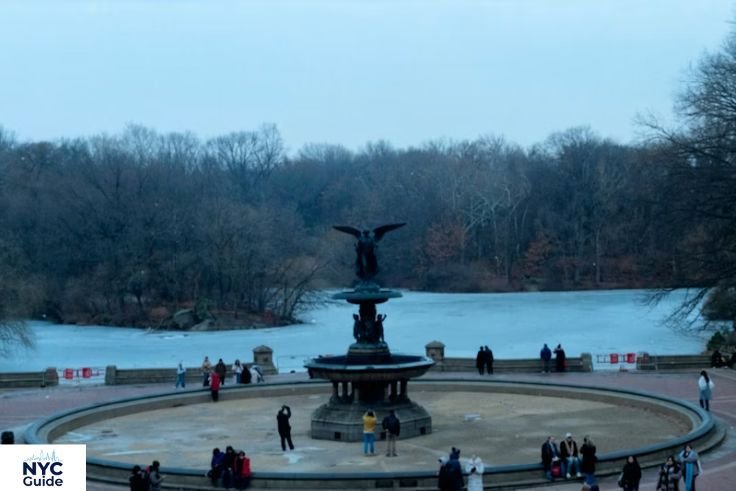
Central Park is one of the greatest urban parks in the world. It covers 843 acres right in the middle of Manhattan. You can rent a bike, row a boat on the lake, visit the Bethesda Fountain, or simply sit on the Great Lawn. Entry is free. It’s beautiful in every season.
Times Square
Times Square is overwhelming in the best way. The lights, the billboards, the street performers it’s unlike anything else. I’d recommend walking through it at night at least once. It’s crowded and touristy, yes, but it’s an experience you won’t forget.

Statue of Liberty
The Statue of Liberty is one of the most recognized symbols in the world. Getting there requires a ferry from Battery Park in Lower Manhattan. Book tickets in advance they sell out fast, especially in summer. Tickets for the ferry and grounds start around $24 for adults. If you want to go inside the pedestal or crown, book those access levels months ahead.
Brooklyn Bridge
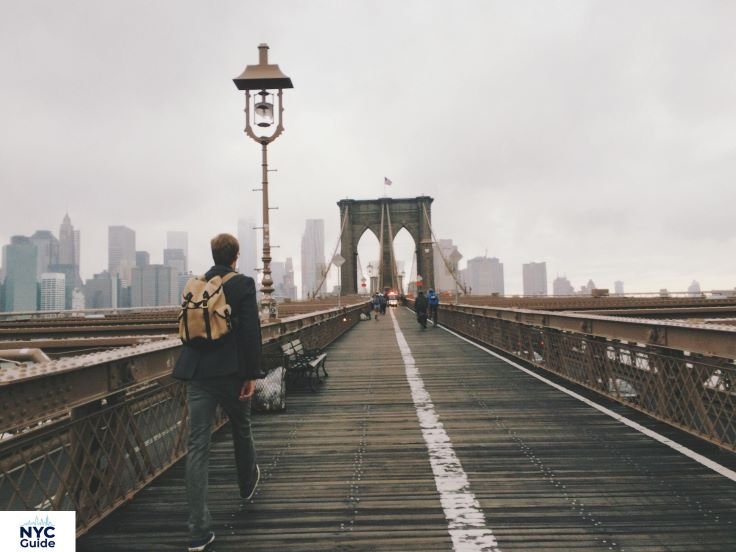
Walking across the Brooklyn Bridge is a must. The views of the Manhattan skyline and the East River are stunning. It’s completely free and takes about 30–45 minutes at a relaxed pace. Go early morning to beat the crowds and get better photos.
👉 For our complete list of things to do in NYC, see our full guide to things to do in New York City.
Sample 3-Day New York City Vacation Itinerary
Day 1 – Midtown Manhattan
Start your morning at the Top of the Rock or Empire State Building for sweeping city views. Head to Bryant Park for coffee and people-watching. Spend the afternoon around Times Square and 5th Avenue. In the evening, catch a Broadway show book tickets online in advance for better prices.
Day 2 – Central Park and Museums
Spend the morning walking through Central Park. Enter from the south at Columbus Circle and work your way north. Visit the Metropolitan Museum of Art on the Upper East Side allow at least 3 hours. In the afternoon, head to the American Museum of Natural History on the Upper West Side. End the day with dinner in the neighborhood.
Day 3 – Lower Manhattan and Brooklyn
Start at the 9/11 Memorial and Museum. Walk down to Battery Park and take the ferry to the Statue of Liberty and Ellis Island. Return and walk across the Brooklyn Bridge into DUMBO. Explore the neighborhood, grab food at Smorgasburg (on weekends), and enjoy the Manhattan skyline from the Brooklyn side.
How to Get Around NYC
Subway
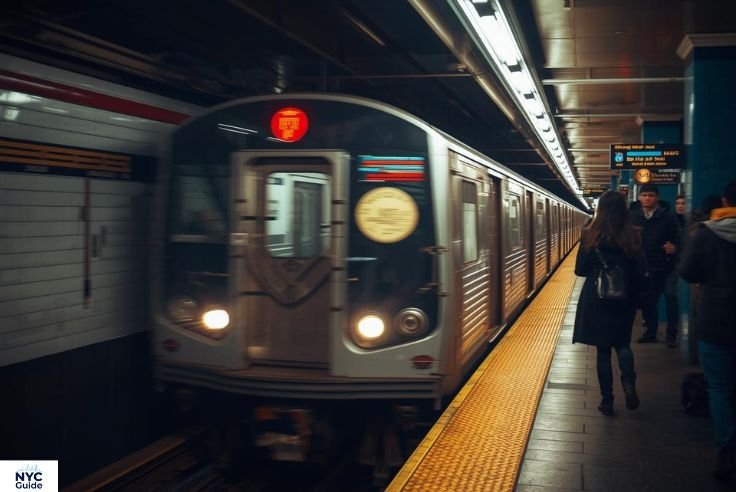
The NYC subway is the fastest and most affordable way to get around. A single ride costs $2.90. Buy an OMNY card or use a contactless payment card to tap in. The subway runs 24 hours a day, 7 days a week. It takes time to learn, but once you get the hang of it, you can reach almost anywhere quickly.
Walking
Many parts of NYC especially Midtown and Lower Manhattan are very walkable. If two attractions are 10–15 blocks apart, walking often makes more sense than taking the subway. Download a good maps app before you go.
Taxi and Rideshare
Yellow cabs are everywhere in Manhattan. Uber and Lyft also work well. These are convenient but more expensive than the subway, especially during rush hour. Expect surge pricing on weekends and near Times Square at night.
Budget for a New York City Vacation
NYC is not a cheap destination, but it’s manageable with planning.
Hotels
Budget hotels in Manhattan start around $150–$180 per night. Mid-range options run $220–$350. Luxury hotels can easily go above $500. Staying in Brooklyn or Queens typically saves 20–40%.
Attractions
Many top attractions have entry fees. The Met Museum suggests a $30 donation for adults. The 9/11 Museum costs $33. The Statue of Liberty ferry and grounds runs $24+. One strategy is to get a CityPASS or New York Pass, which bundles multiple attractions for a flat fee and can save money if you’re hitting several paid sites.
Central Park, the Brooklyn Bridge, and many neighborhood explorations are completely free.
Food
Food costs vary widely. A slice of pizza costs $3–$5. A sit-down lunch at a casual restaurant runs $15–$25 per person. Dinner at a mid-range spot will be $30–$60 per person. Grabbing breakfast from a deli or bagel shop is one of the best budget moves in NYC.
Transportation
A 7-day unlimited subway pass costs $34. That’s excellent value if you’re riding multiple times per day. Budget around $5–$15 extra per day for taxis or rideshare for late nights or heavy-luggage situations.
Tips for Planning a Stress-Free NYC Vacation
- Book in advance. Hotels, Broadway shows, Statue of Liberty tickets, and popular restaurants fill up fast. Don’t leave these for last minute.
- Wear comfortable shoes. You will walk more than you expect. Blisters on Day 1 will ruin the rest of your trip. Trust me on this one.
- Download offline maps. Cell service can be spotty in subway tunnels and crowded areas. Having offline maps saves stress.
- Avoid rush hour crowds. Subway platforms between 8–9 AM and 5–7 PM are packed. If you can, plan sightseeing to avoid these windows.
- Carry a portable charger. Between navigation, photos, and messaging, your phone battery will drain fast.
- Try neighborhoods beyond Midtown. Harlem, Astoria, the West Village, and Flushing are all worth a visit and give you a more authentic NYC experience.
- Eat like a local. Skip the tourist restaurants near Times Square. Walk a few extra blocks into a residential neighborhood for better food at half the price.
- Stay aware of your surroundings. NYC is generally safe, especially in tourist areas, but basic city awareness goes a long way. Keep your bags zipped and stay confident.
Final Thoughts
Planning a New York City vacation doesn’t have to be stressful. With the right preparation, this city delivers an experience that’s hard to match anywhere in the world. From the Manhattan NYC attractions to the hidden gems of Brooklyn and Queens, every corner of this city has something worth discovering.
Start with the basics pick your dates, choose a neighborhood to stay in, and lock in a few must-see spots. The rest will come together naturally once you’re there. NYC has a way of surprising you, even when you think you’ve planned everything.
FAQ‘s
What is the best time to visit New York City?
Fall (September to November) is widely considered the best time. The weather is comfortable, crowds are lighter than summer, and the city looks stunning with autumn colors.
How many days do you need for a NYC vacation?
A minimum of 3–4 days lets you cover the main highlights. A week gives you time to explore multiple neighborhoods and go beyond the tourist trail.
Is New York City expensive to visit?
It can be, but smart planning helps. Free attractions like Central Park and the Brooklyn Bridge, affordable subway travel, and budget-friendly food options make it possible to enjoy NYC without overspending.
Is NYC safe for tourists?
Yes, the major tourist areas are generally very safe. Use standard city awareness stay alert in crowded areas, keep your belongings secure, and you’ll have no issues.