
If you’ve heard about summer concerts in Central Park and wondered exactly where they happen, you’re probably looking for Rumsey Playfield. Many visitors to New York City walk right past it without realizing it’s one of the most exciting outdoor event spaces in the entire city. It can feel confusing to plan a visit when you don’t know the exact location, what to expect, or how events are organized.
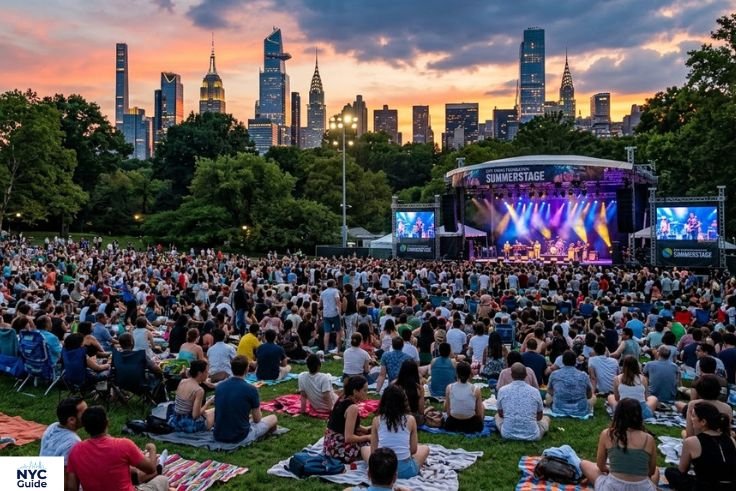
That’s why I put together this complete guide. Whether you’re a first-time visitor to NYC or a longtime New Yorker looking to explore the park’s cultural scene, this article covers everything you need. From the history of the space to practical tips I’ve picked up from visiting multiple times, you’ll leave here ready to plan a great experience.
Rumsey Playfield sits at the heart of Central Park’s entertainment identity. It hosts hundreds of performances each year, draws enormous crowds, and remains one of the most beloved spots in Manhattan for live music lovers. Let me walk you through everything you need to know.
Introduction to Rumsey Playfield
What Is Rumsey Playfield
Rumsey Playfield is an open-air concert venue in NYC located inside Central Park in Manhattan. It’s a large grassy and paved event space that transforms into a full performance venue during the warmer months. The playfield is best known as the home of SummerStage, one of New York City’s most popular free and ticketed outdoor concert series.
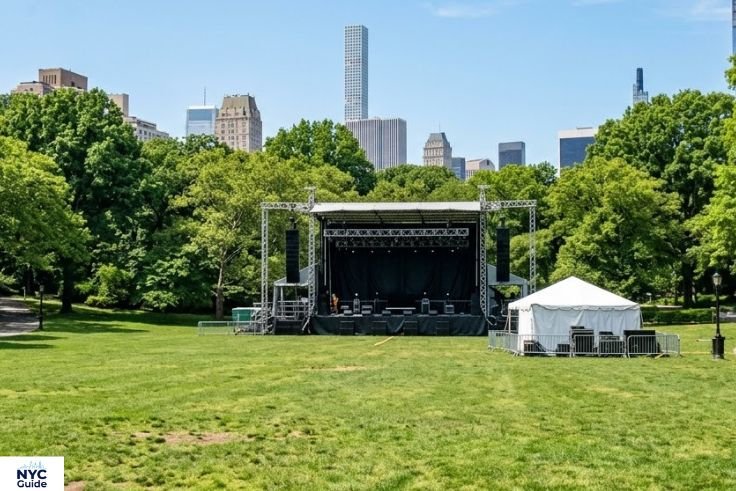
The venue isn’t just a patch of grass. It has a proper stage, sound system infrastructure, and enough capacity to hold thousands of audience members at once. It’s designed for large-scale events while still maintaining that relaxed, outdoor park atmosphere that makes Central Park so special.
Location Inside Central Park
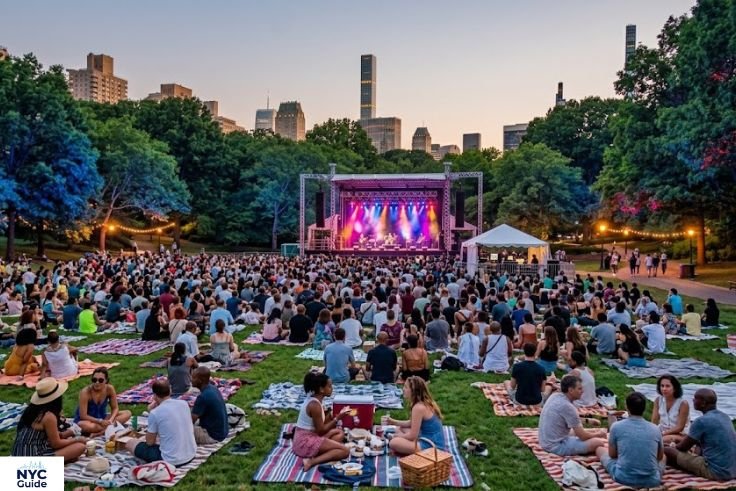
Rumsey Playfield is situated on the east side of Central Park, roughly near 69th Street and Fifth Avenue. It’s nestled in a natural bowl-like area of the park, which actually helps with acoustics during live performances. The surrounding trees and park landscape give every event a uniquely scenic backdrop that you simply can’t replicate indoors.
Why It’s Famous
The playfield is famous primarily because of SummerStage, the annual concert and performance series organized by the City Parks Foundation. Tens of thousands of people visit each summer to see free and low-cost live performances ranging from jazz and hip-hop to world music and dance. Beyond SummerStage, the space also hosts community programs, cultural festivals, and special events throughout the year.
Where Is Rumsey Playfield Located?
Exact Area
Rumsey Playfield is located in Central Park on the east side, near 5th Avenue and East 69th Street in Manhattan. The most commonly referenced entry point is through the park entrance at 69th Street and Fifth Avenue, which puts you just a short walk away from the venue itself. If you’re using GPS, searching “Rumsey Playfield Central Park” will bring you directly to the right spot.
Nearby Landmarks
Several well-known Central Park landmarks are close by. The Central Park Zoo is just south of the playfield, making it easy to combine a zoo visit with an evening event. Conservatory Water, where visitors sail model boats, is nearby to the north. The Metropolitan Museum of Art sits just a short walk east along Fifth Avenue, making this entire area one of the richest cultural corridors in the city.
Other nearby spots include:
- The Loeb Boathouse (slightly north, great for a pre-event meal)
- Bethesda Terrace and Fountain (a classic Central Park icon)
- Wollman Rink (south of the playfield, active in winter)
- The Mall and Literary Walk (southwest, perfect for a stroll before events)
Accessibility
The playfield is accessible for people with mobility needs. The 69th Street entrance on Fifth Avenue is relatively flat and paved. Inside the event space, there are designated accessible viewing areas. If you need more specific accessibility information, the City Parks Foundation website has updated details before each event season.
History of Rumsey Playfield
Origins of the Playfield
The history of Rumsey Playfield goes back to the original design of Central Park itself. The land was part of Frederick Law Olmsted and Calvert Vaux’s 1858 design for the park. For many decades, the space was used for recreational purposes, as a simple open area for park visitors to gather, play, and relax.
The playfield takes its name from Charles Cary Rumsey, an American sculptor who lived in the early 20th century. He was known for his equestrian sculptures and artistic work. The connection between his name and this particular piece of land is a nod to New York City’s tradition of honoring notable figures through public spaces.
Transformation Into an Event Venue
Over time, city planners and cultural organizations recognized the potential of the space for large outdoor events. Its natural bowl shape, surrounded by a gentle incline, made it ideal for performances. In the 1970s and 1980s, as New York City went through a cultural revival, spaces like Rumsey Playfield became central to the city’s effort to bring free arts and entertainment to the public.
The formal infrastructure including the permanent stage and sound equipment was gradually developed to support larger programming. By the time Summer Stage officially launched in the 1980s, Rumsey Playfield had become the primary venue for the series.
Role in NYC Cultural Scene
Rumsey Playfield became a symbol of accessible culture in New York City. At a time when concert tickets were becoming increasingly expensive, this open-air venue offered free and affordable performances to people of all backgrounds. It helped define the idea that great live music and cultural events didn’t have to be locked behind expensive ticketing or exclusive venues.
Today, it continues to play that role. Locals, tourists, families, and music enthusiasts all share the space during events, creating a democratic and energetic atmosphere that is very much a part of New York City’s identity.
SummerStage at Rumsey Playfield
SummerStage is the flagship event series held at Rumsey Playfield each year. It is organized by the City Parks Foundation and is one of the longest-running free outdoor performance programs in the United States.
What Is SummerStage?
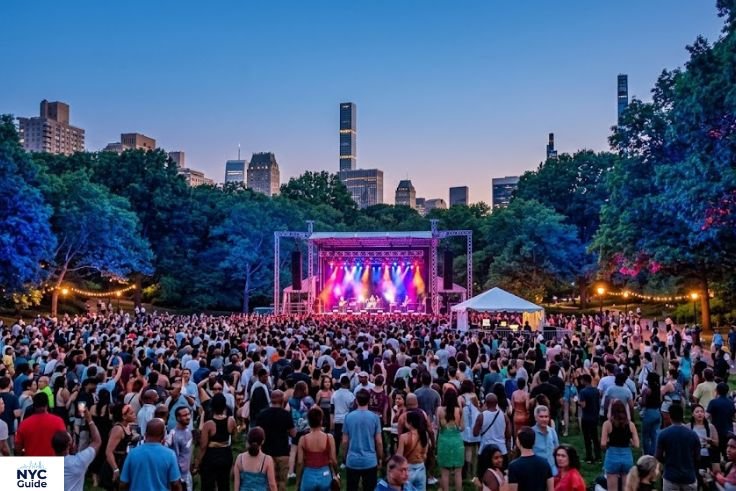
SummerStage is an annual performing arts festival that takes place primarily at Rumsey Playfield in Central Park, though it also extends to parks across all five boroughs of New York City. It runs from late spring through early fall, typically from around May or June through September. The festival features both free and ticketed performances, making it accessible to a wide range of visitors regardless of budget.
I attended a SummerStage event on a warm July evening a few years back. The energy was unlike anything I’d experienced at an indoor venue. People were sitting on the grass, standing near the stage, eating food from nearby vendors, and simply enjoying the New York City skyline and park surroundings. It felt genuinely communal.
Types of Events
Concerts Live music is the heart of SummerStage. The programming covers an extraordinary range of genres. You’ll find hip-hop nights, jazz performances, Latin music, Afrobeats, indie rock, classical crossover, and world music all represented over the course of a single summer. No two nights feel the same, which is part of what keeps the festival fresh year after year.
Dance Performances SummerStage is not just about music. Dance companies from around the world perform at Rumsey Playfield, bringing everything from contemporary dance and ballet to traditional folk forms and modern experimental performance. These shows often attract a different crowd than the concerts and can be especially memorable because of the outdoor setting.
Cultural Shows Beyond music and dance, the festival celebrates cultural communities across New York City. You’ll find film screenings, spoken word events, comedy nights, storytelling sessions, and events tied to specific cultural heritage celebrations. This diversity is what makes SummerStage more than just a concert series — it’s a reflection of New York City itself.
Artists and Performances
Over the decades, SummerStage at Rumsey Playfield has hosted an extraordinary lineup of performers. Globally recognized artists across every genre have taken the stage here, from legendary jazz musicians and celebrated hip-hop acts to world-renowned dance companies and emerging local talent. Because the event includes both ticketed headline shows and free community events, you might see a major international act one evening and a beloved local artist the next. The variety is genuinely one of the best things about the festival.
Events and Activities at Rumsey Playfield
Seasonal Events
While SummerStage is the biggest draw, Rumsey Playfield hosts a variety of events across different seasons. Spring often brings early programming and community events as the weather warms up. In addition to summer concerts, you may find cultural festivals, holiday celebrations, and special community gatherings organized by NYC Parks or other city organizations throughout the year.
Community Programs
The City Parks Foundation uses Rumsey Playfield not just for large performances but also for community-driven programming. Educational events for young people, neighborhood outreach initiatives, and public arts workshops sometimes take place at the venue or in the surrounding area. These programs are part of a larger mission to use Central Park as a public resource for all New Yorkers, not just tourists.
Live Performances Beyond SummerStage
Occasionally, the playfield is used for film screenings under the stars, charity events, and private bookings. Keeping an eye on the NYC Parks website and the City Parks Foundation calendar will give you the most up-to-date information on what’s happening at the space throughout the year.
What to Expect When Visiting
Seating and Layout
Rumsey Playfield is an open-air venue, which means there are no assigned seats in the traditional sense for most events. For general admission free events, visitors typically bring their own blankets or low-back chairs and set up on the grass or paved areas facing the stage. The stage itself is at one end of the space, and the audience area extends outward in a broad open field.
For ticketed events, there may be a reserved standing pit near the stage, with general admission areas further back. The space is large enough that even from a distance, the experience feels immersive. The natural slope of the surrounding landscape means that even those farther back often have decent sightlines.
When my friends and I went, we arrived about 45 minutes before the gates opened and managed to get a spot close enough to the stage to feel fully part of the show. Arriving early really does make a significant difference.
Entry and Rules
Ticketed vs. Free Events Some Summer Stage events are completely free and open to the public no registration required. Others require tickets, which are typically available through the City Parks Foundation website or authorized ticketing platforms. Ticket prices for paid events are generally kept affordable compared to typical NYC concert venues, often ranging from around $30 to $75 depending on the artist.
Free events operate on a first-come, first-served basis. Lines can form well before gates open, especially for popular shows, so arriving early is essential.
Security Checks All visitors go through basic security screening at the entrance. Bags are checked, and prohibited items include outside alcohol, professional cameras with detachable lenses, and large coolers. Bringing your own food and non-alcoholic beverages in a small bag is generally permitted, but it’s worth checking the specific rules for each event on the City Parks Foundation website as policies can vary.
Best Time to Visit
The peak season is summer June, July, and August when Summer Stage is in full swing and the weather is warm enough to enjoy evenings outdoors. Early evening shows, typically starting around 6 or 7 PM, offer the best experience. The light during golden hour as the sun sets behind the Manhattan skyline creates a beautiful atmosphere.
If you’re visiting during shoulder seasons, check the event calendar first. Spring and early fall can surprise you with excellent programming and smaller, more relaxed crowds.
Things to Do Near Rumsey Playfield
Walks in Central Park
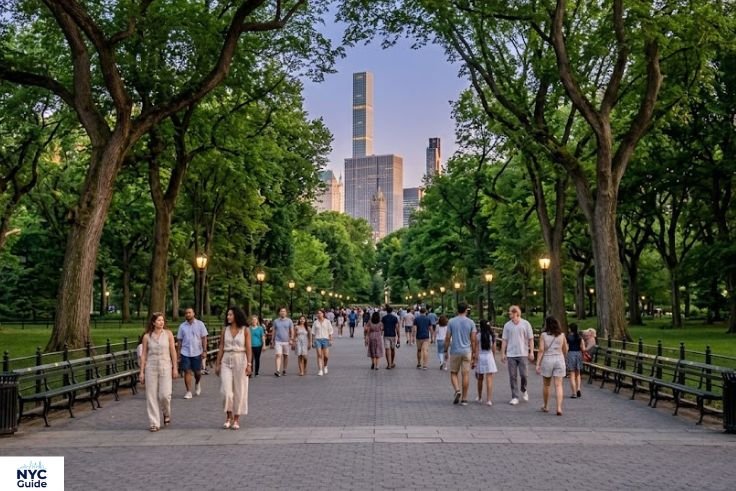
One of the best things you can do near Rumsey Playfield before or after an event is simply walk through Central Park. The area around 69th Street offers access to some of the park’s most scenic paths. The East Drive runs alongside this section of the park and is popular with joggers, cyclists, and walkers. The Mall, a famous tree-lined promenade, is a short walk away and is one of the most photographed spots in the entire park.
Nearby Attractions
The surrounding neighborhood offers excellent options for pre-event dining and exploration. Along Fifth Avenue and the surrounding blocks of the Upper East Side, you’ll find a variety of restaurants, cafes, and bars. Museum Mile the stretch of Fifth Avenue where several world-class museums are clustered is just steps from the park’s eastern edge. The Metropolitan Museum of Art is practically a neighbor to Rumsey Playfield.
Relaxation Spots
Central Park has plenty of places to sit, rest, and soak up the atmosphere. Conservatory Water, with its model sailboats, is peaceful and scenic. The Pond near the 59th Street corner is another quiet retreat. If you’re with children, the nearby Central Park Zoo makes for a wonderful afternoon before an evening show.
How to Get to Rumsey Playfield
Subway Routes
Getting to Rumsey Playfield by subway is straightforward. The most convenient options are:
- 4, 5, or 6 train to 68th Street – Hunter College station on the Lexington Avenue line. From there, walk west into Central Park for about 5 to 10 minutes.
- N or R train to 5th Avenue – 59th Street, then walk north along Fifth Avenue for about 10 blocks to reach the 69th Street park entrance.
- F train to Lexington Avenue – 63rd Street, then walk north and west into the park.
Walking Directions
If you’re walking from Midtown Manhattan, head north on Fifth Avenue until you reach 69th Street. Enter the park at that intersection and follow the path westward into the park. The playfield will be on your right as you walk in. Signage inside the park generally points you toward major destinations and event spaces.
From the Upper East Side, the park is easily walkable from most blocks between 60th and 75th Streets along Fifth Avenue.
Nearby Entrances
The primary entrance most visitors use is at 69th Street and Fifth Avenue. However, the 72nd Street transverse road also offers a useful access point if you’re coming from the west side of the park. During major events, additional signage is typically posted at multiple park entrances to help guide crowds.
Tips for Visiting Rumsey Playfield
Arrive Early This is probably the single most important tip I can share from personal experience. For free events especially, crowds can be enormous. Gates typically open 30 to 60 minutes before showtime, and popular shows fill up fast. Arriving 45 minutes before gates open gives you a good chance at a favorable spot.
What to Bring
- A lightweight blanket or low-back chair (standard chairs are usually allowed for lawn areas)
- Water and snacks in a small bag
- Sunscreen and bug spray for summer evenings
- A light jacket evenings can cool down quickly, especially in late summer
- Cash or a card for any food vendors or merchandise
- ID if you plan to purchase alcohol at the venue bar
Best Viewing Spots The center of the audience area, roughly midway between the stage and the back of the crowd, often offers the best combination of sound quality and sightlines. Being too far back can affect the audio experience. Arriving early enough to secure a spot in the first third of the audience area is ideal if you’re seeing a headliner.
One mistake I made on my first visit was standing right at the very back near the tree line. The view was fine, but the audio quality dropped noticeably. Moving up even a little made a huge difference.
Check the Event Calendar in Advance Visit the City Parks Foundation website before your trip to see the full schedule. Some events sell out quickly or require advance registration even for free shows. Knowing what’s on before you arrive helps you plan your day in the park more effectively.
Why Rumsey Playfield Is Important in NYC Culture
Role in Live Entertainment
Rumsey Playfield occupies a unique position in New York City’s entertainment landscape. It is one of the few major live performance spaces in the city where high-quality, professionally produced shows are regularly offered for free or at minimal cost. In a city where concert tickets routinely cost hundreds of dollars, this accessibility matters enormously. It means that music and culture remain available to people across all income levels.
Community Engagement
The City Parks Foundation’s work at Rumsey Playfield goes beyond just putting on shows. The organization actively works with communities across all five boroughs, using Central Park as a model for what publicly funded arts programming can look like. Rumsey Playfield is the flagship of this vision a place where the park itself becomes a stage and every resident of New York City has a seat.
Events at the venue frequently highlight underrepresented communities and artistic traditions from around the world. This commitment to diversity and inclusion has made the playfield a genuinely important cultural institution, not just a popular tourist attraction.
Cultural Diversity
Walk through the crowd at any Summer Stage event and you’ll see New York City in its fullest expression. Families, students, retirees, tourists, and long time locals all share the same open space. The programming intentionally reflects this diversity drawing audiences to sounds and art forms they might never otherwise encounter. This cultural cross-pollination is part of what makes events at Rumsey Playfield feel different from a standard concert experience.
Conclusion
Rumsey Playfield is far more than a green patch inside Central Park. It’s a living, breathing cultural venue that has connected New Yorkers and visitors alike to some of the world’s most exciting live performances for decades. From its roots as a simple recreational space to its current role as the home of SummerStage and a hub for NYC’s outdoor entertainment scene, this playfield has earned its place as one of Manhattan’s most beloved public spaces.
Whether you’re planning a summer trip to New York and want to catch a concert under the open sky, or you’re a local who has somehow never made the trip to 69th Street and Fifth Avenue, Rumsey Playfield deserves a spot on your itinerary. Bring a blanket, arrive early, and let the city’s best open-air concert venue do the rest. You won’t regret it.
Frequently Asked Questions
Rumsey Playfield is located on the east side of Central Park near 5th Avenue and East 69th Street in Manhattan. The main entrance most visitors use is at 69th Street and Fifth Avenue.
The playfield itself is inside Central Park, which is free and open to the public. Many Summer Stage events at the venue are also free. However, some ticketed concerts and headline performances require paid admission.
Summer Stage is an annual outdoor performing arts festival organized by the City Parks Foundation. It runs from late spring through early fall and features concerts, dance performances, and cultural events, many of which are free to the public.
The easiest route is the 4, 5, or 6 train to 68th Street – Hunter College, followed by a short walk west into Central Park. You can also take the N or R train to 59th Street and walk north along Fifth Avenue.
Bring a blanket or low-back chair, water and snacks, sunscreen, a light jacket for cool evenings, and comfortable shoes. Check the specific event rules on the City Parks Foundation website before attending.