
If you’re planning a trip to New York City, Sixth Avenue is one street you simply cannot miss. Also known as the Avenue of the Americas, this iconic road runs straight through the heart of Manhattan. Many visitors arrive in NYC without fully understanding what makes this avenue so special and end up walking right past it without exploring properly.
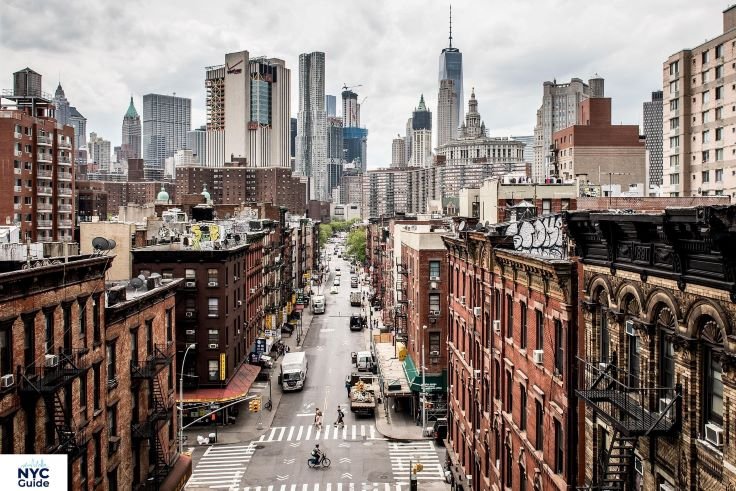
Sixth Avenue in Manhattan is one of the busiest streets in the entire city. It connects some of the most famous landmarks, neighborhoods, and cultural spots you’ll find anywhere in New York. Whether you’re a first-time visitor or a seasoned traveler, this guide will help you get the most out of your time here.
In this article, we’ll cover everything from the history and landmarks to transportation, shopping, dining, and practical travel tips. By the end, you’ll know exactly how to explore Sixth Avenue like a local.
Where Is Sixth Avenue Located?
Start and End Points
Sixth Avenue runs north to south through the entire length of Manhattan. It starts near Canal Street in Lower Manhattan and stretches all the way up to Central Park at 59th Street. That’s a long stretch of city life packed with history, culture, and energy.
When I first walked the full length of it, I was surprised by how much changes from one end to the other. The downtown end feels artistic and residential. As you move north into Midtown, the buildings grow taller and the crowds get thicker.
Map Overview
Here are the major cross streets you’ll encounter along the way:
- Canal Street — southern starting point, near SoHo
- 14th Street — entry into Greenwich Village / Chelsea area
- 23rd Street — Chelsea neighborhood
- 34th Street — near Herald Square and Macy’s
- 42nd Street — Bryant Park zone, one of the best spots on the avenue
- 47th–50th Streets — Rockefeller Center area
- 59th Street — near Central Park, northern end
These cross streets serve as natural checkpoints for planning your walk or sightseeing stops.
Neighborhoods Along Sixth Avenue
Sixth Avenue runs through several distinct neighborhoods, each with its own personality.
SoHo: At the southern end, SoHo brings art galleries, boutique stores, and cast-iron architecture. It’s popular among creative types and fashion lovers.
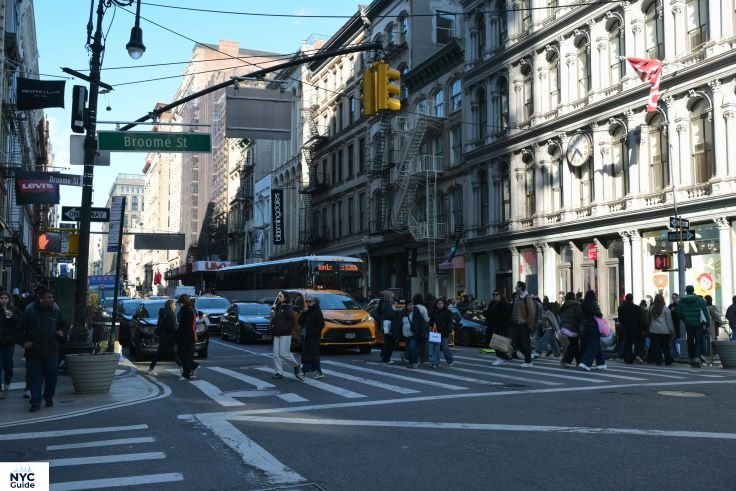
Greenwich Village: Between roughly Houston and 14th Street, you’ll feel the bohemian spirit of old New York. Tree-lined side streets and cozy cafes make this stretch very walkable.
Chelsea: From 14th to 30th Street, Chelsea is known for its art galleries, trendy restaurants, and a more relaxed vibe compared to Midtown.
Midtown Manhattan: This is where Sixth Avenue truly becomes a commercial powerhouse. Skyscrapers, corporate headquarters, tourists, and shopping all collide here. This section is probably what most people picture when they hear “Avenue of the Americas.”
What Is Sixth Avenue Famous For?
Key Highlights
Sixth Avenue is famous for a combination of things that few other streets in the world can match.
- Skyscrapers: The Midtown stretch is lined with impressive glass and steel towers. Major media companies like Fox News, CNN, and NBC have offices here.
- Corporate offices: It’s one of the most important business corridors in New York City.
- Shopping and retail: From chain stores to high-end boutiques, there’s no shortage of shopping options along this avenue.
- Cultural landmarks: Bryant Park, Radio City Music Hall, and Rockefeller Center all sit right on or near Sixth Avenue.
When we visited on a Tuesday morning, the foot traffic was already intense by 9 AM. It’s not just tourists this avenue is a genuine working part of the city.
Avenue of the Americas — What Does the Name Mean?
You’ll often hear Sixth Avenue referred to as the “Avenue of the Americas.” This name was officially given in 1945 as a symbol of Pan-American unity the idea of bringing together all the nations of North, Central, and South America under a spirit of cooperation.
Here’s something interesting: despite the official name change, most New Yorkers still call it Sixth Avenue. If you ask a local for directions to the “Avenue of the Americas,” they might pause for a second before realizing what you mean. The old name simply stuck.
History of Sixth Avenue (Avenue of the Americas)
Early Development
Sixth Avenue came into existence as part of the famous Manhattan grid system, formally established by the Commissioners’ Plan of 1811. This plan laid out a structured grid of numbered streets and avenues across the island, making navigation logical and consistent. Sixth Avenue was part of that original design a long north-south corridor meant to help move people and goods through the city.
In the 19th century, an elevated railway (the Sixth Avenue El) ran along the street, which shaped the character of surrounding neighborhoods. When the El was torn down in the 1930s, the avenue opened up for modern development.
The Name Change Story
In 1945, Mayor Fiorello La Guardia officially renamed Sixth Avenue to the “Avenue of the Americas.” The goal was to celebrate solidarity with Latin American nations and reflect New York’s role as a global city. Metal emblems representing different American nations were placed along the avenue as part of the renaming ceremony.
However, the name never fully caught on with everyday New Yorkers. Street signs today show both names “Avenue of the Americas” on top and “Sixth Ave” below. Most people, including cab drivers and locals, simply say “Sixth Avenue.”
Modern Transformation
After World War II, Sixth Avenue underwent major redevelopment. The Midtown section transformed into a commercial and media hub. Skyscrapers replaced older low-rise buildings throughout the 1960s, 70s, and 80s. Today it stands as one of the most important north–south avenues in all of Manhattan a true commercial corridor that drives New York’s economy.
Major Landmarks on Sixth Avenue
This is the section you’ve probably been waiting for. Sixth Avenue connects key landmarks like Bryant Park and Rockefeller Center, making it one of the richest streets for sightseeing in all of Midtown Manhattan.
Midtown Attractions
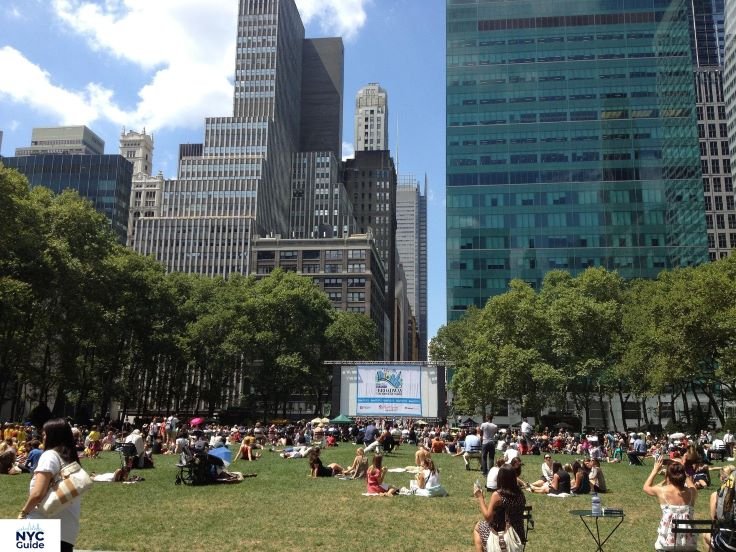
Bryant Park Located right behind the New York Public Library at 42nd Street, Bryant Park is a beautiful green oasis in the middle of Midtown. It’s free to enter and offers seating, a carousel, ping pong tables, and outdoor chess. In winter, it transforms into a magical holiday market with an ice skating rink. In summer, it hosts free outdoor movie nights on Monday evenings. I spent an afternoon here just reading and people-watching it’s one of the most relaxing spots in all of Manhattan.
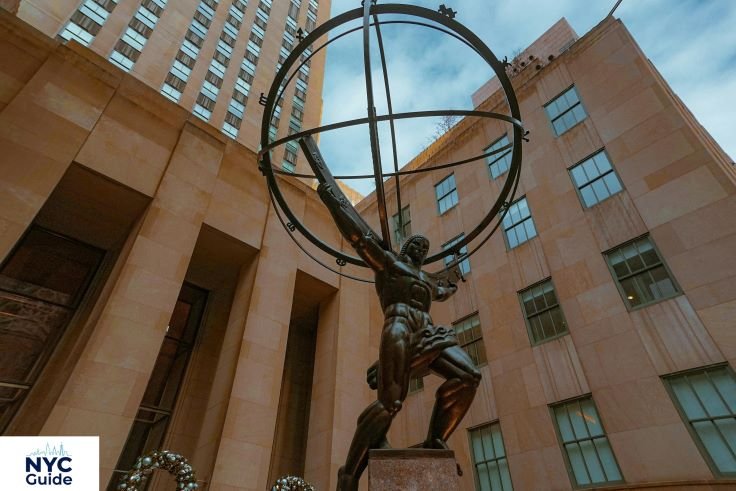
Rockefeller Center Stretching from 48th to 51st Street between Fifth and Sixth Avenues, Rockefeller Center is an iconic complex of 19 commercial buildings. The centerpiece is 30 Rockefeller Plaza, home to NBC Studios and the famous Top of the Rock observation deck. Tickets to the Top of the Rock cost around $40 for adults. The views from up there are absolutely stunning you can see all the way to Central Park on one side and downtown Manhattan on the other.
Cultural Spots
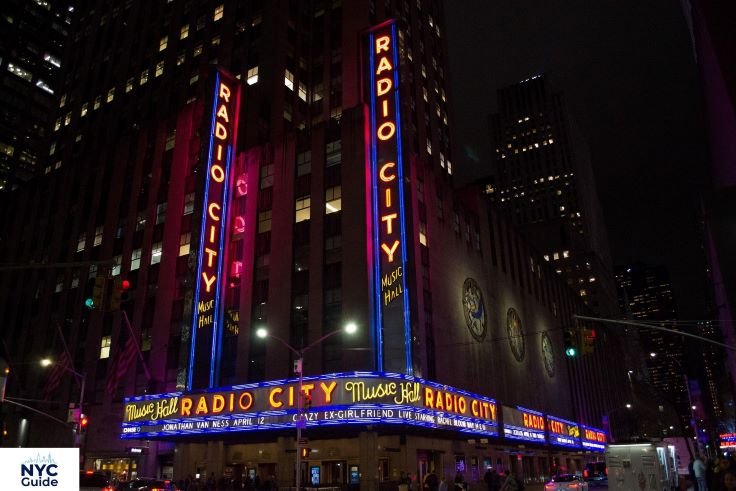
Radio City Music Hall Sitting at 1260 Sixth Avenue, Radio City Music Hall is one of the most famous entertainment venues in the world. Its Art Deco interior is breathtaking. The venue hosts concerts, award shows, and the beloved annual Christmas Spectacular featuring the Rockettes. If you can catch a show here, do it. Even taking a guided “Stage Door Tour” (around $30–$35) is worth it for the architectural beauty alone.
Nearby Famous Places
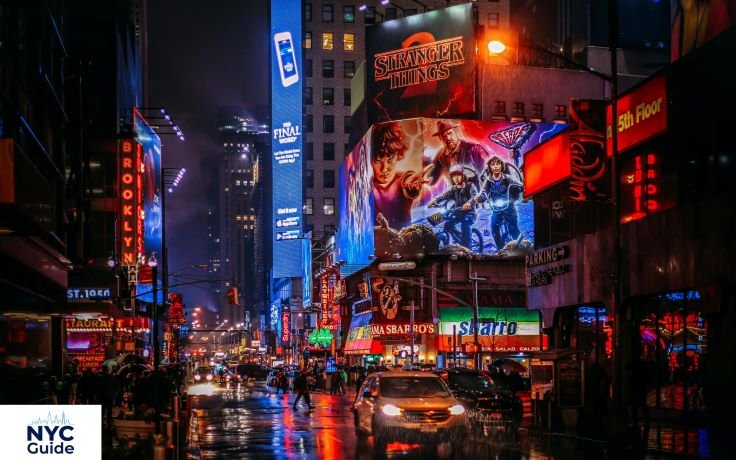
Times Square is just a short walk east from Sixth Avenue at 42nd Street. It’s not directly on Sixth Avenue, but you can reach it in about 5 minutes on foot. Times Square is impossible to miss the lights, billboards, and energy make it one of the most visited spots on Earth. If you’re already on Sixth Avenue, it makes perfect sense to add Times Square to your walking route.
Things to Do on Sixth Avenue NYC
Walking Tour Experience
One of the best ways to experience Sixth Avenue is on foot. A Sixth Avenue walking tour from 14th Street up to 59th Street takes about 2–3 hours at a comfortable pace. You’ll pass through multiple neighborhoods, see iconic buildings, and get a feel for how the city transitions from artsy to corporate to glamorous.
My personal tip: start your walk in the morning, around 8–9 AM. The crowds are thinner, the light is beautiful for photos, and you can stop at a coffee cart without waiting in line.
Here’s a suggested walking sequence:
- Start at 14th Street (Greenwich Village vibe)
- Walk north through Chelsea
- Pause at Bryant Park (42nd St) for a rest
- Explore the Rockefeller Center area (48th–51st St)
- Finish near Central Park (59th St)
Shopping Spots
Sixth Avenue’s Midtown section offers plenty of retail options. Around Herald Square (34th Street), you’re steps away from Macy’s one of the largest department stores in the world. Midtown also has H&M, Zara, and many other global chains on or near the avenue.
For more unique shopping, head to the SoHo end of Sixth Avenue, where independent boutiques and designer stores line the streets.
Cafes & Restaurants
You’ll never go hungry on Sixth Avenue. Here are some options across different budget levels:
- Quick bites — Street carts selling coffee, pretzels, and hot dogs are everywhere, especially in Midtown. Budget around $3–$6 for a snack.
- Casual dining — Spots like Num Pang (sandwiches), Shake Shack near Bryant Park, or various pizza slices can cost $10–$18.
- Sit-down dining — Midtown has numerous restaurants ranging from Italian to Japanese to classic American. Budget $25–$60+ per person for a full meal.
How to Get to Sixth Avenue
Subway Lines
Getting to Sixth Avenue via the New York City Subway is easy and affordable. The subway fare is $2.90 per ride (as of 2024).
The main trains serving Sixth Avenue are:
| Train | Key Stops on Sixth Avenue |
| B | 34th St, 42nd St, 47th–50th St |
| D | 34th St, 42nd St, 47th–50th St |
| F | 14th St, 23rd St, 34th St, 42nd St, 47th–50th St |
| M | 14th St, 23rd St, 34th St, 42nd St |
The F train is probably the most useful single line for covering the full length of Sixth Avenue.
Bus Routes
Several MTA buses run along or parallel to Sixth Avenue. The M5, M6, and M7 buses run along nearby Fifth and Sixth Avenues. Buses are a good option if you’re carrying bags or prefer not to go underground, though they can be slow during peak hours.
Walking & Accessibility
Sixth Avenue is very walkable and fully accessible. Sidewalks are wide, well-maintained, and clearly marked. Curb cuts and ramps make it accessible for wheelchair users at most intersections. Bike lanes are also present in certain sections.
Hotels, Restaurants & Shopping on Sixth Avenue
Best Hotels Nearby
There are excellent hotel options within walking distance of Sixth Avenue:
- The Quin Central Park (57th St area) — Upscale boutique hotel close to Central Park. Rates start around $300–$500/night.
- Viceroy New York (57th St) — Stylish option with Central Park views.
- citizenM New York Bowery — Budget-friendly with modern design, great for younger travelers, around $150–$250/night.
- Row NYC Hotel (44th St) — Mid-range option right in the heart of Midtown, steps from Sixth Avenue.
Book at least 2–3 months in advance if you’re visiting during peak season (summer or December).
Popular Restaurants
- Le Bernardin (51st St near Sixth Ave) — World-famous French seafood restaurant. This is a special occasion spot. Expect $200+ per person.
- Quality Eats (multiple locations) — Great steakhouse with a more relaxed vibe and reasonable prices for Midtown, around $40–$70.
- The Smith (near Bryant Park) — Solid American brasserie, great for brunch. Around $25–$45.
- Halal Guys cart (53rd & Sixth Ave) — Legendary NYC street food. Under $10. The line is always long, but it moves fast.
Shopping Experience
Sixth Avenue near Midtown offers department stores, flagship retail chains, and specialty shops. If you’re looking for a full day of shopping, combine Sixth Avenue with a short walk to Fifth Avenue for luxury brands. The two avenues run parallel and are only one block apart.
Best Time to Visit Sixth Avenue
Day vs Night
Daytime is ideal for sightseeing, shopping, and exploring landmarks. Between 10 AM and 5 PM, you’ll have the most access to attractions, stores, and cafes.
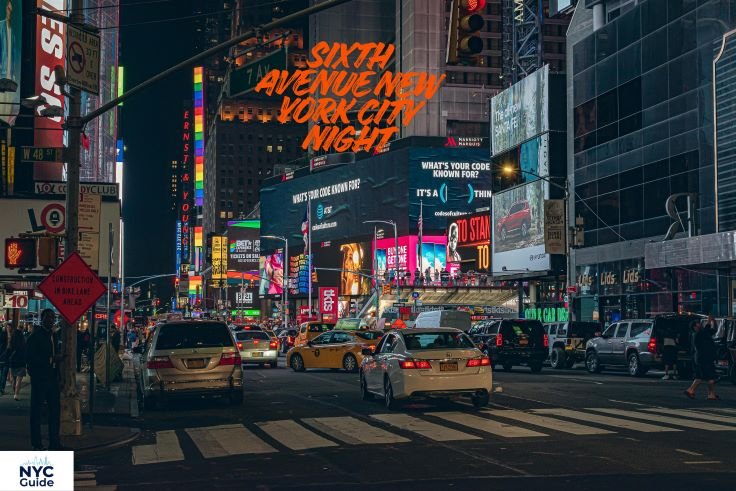
Nighttime on Sixth Avenue is a completely different experience. The skyscrapers light up, Times Square nearby glows brilliantly, and the city takes on a cinematic quality. Bryant Park and Rockefeller Center are beautiful in the evening. I’d recommend doing at least one evening walk it’s unforgettable.
Seasonal Experience
Winter (November–February) This is arguably the most magical time to visit. Bryant Park’s Winter Village opens in late October with holiday markets, free ice skating, and seasonal food stalls. Rockefeller Center’s Christmas tree lights up in late November and draws enormous crowds. The cold is real, so pack layers, but the atmosphere is incredible.
Summer (June–August) Summer brings peak tourism. Sixth Avenue is busiest in July and August. Bryant Park hosts free outdoor movies, concerts, and events. The weather is warm (sometimes very hot), but the energy is electric. Arrive early at popular spots to beat the crowds.
Spring and Fall are generally the most comfortable seasons weather-wise fewer crowds than summer, better walking temperatures, and beautiful light for photography.
Sixth Avenue vs Fifth Avenue — A Comparison
Which Is Better for Tourists?
Both avenues are extremely important, but they serve different purposes.
| Feature | Sixth Avenue | Fifth Avenue |
| Luxury Shopping | Limited | Extensive (Gucci, Prada, etc.) |
| Green Space | Bryant Park | Central Park access |
| Landmark Density | High (Radio City, Rockefeller) | Very High (Empire State, Met) |
| Crowd Level | Busy | Extremely Busy |
| Local Feel | More authentic | Very touristy |
| Budget Friendliness | More options | More expensive overall |
If you want luxury shopping and the most photographed street in NYC, Fifth Avenue wins. If you want a mix of culture, real city energy, and access to some of the best landmarks without being completely overwhelmed, Sixth Avenue is the better choice.
Shopping vs Business Focus
Fifth Avenue is primarily known for high-end retail. Sixth Avenue leans more commercial and business-focused in Midtown, with more variety at different price points. Sixth Avenue offers a more balanced mix of culture, shopping, and offices.
Travel Tips for Visiting Sixth Avenue
Avoid the biggest crowds:
- Visit on weekdays rather than weekends for a more relaxed experience.
- Go early in the morning (before 10 AM) if you want to take photos without crowds.
- Lunch hour (12–2 PM) is the busiest on Midtown sidewalks plan around it.
Safety tips:
- Sixth Avenue is generally very safe, especially in Midtown and tourist-heavy areas.
- Keep your belongings close in crowded areas like 34th and 42nd Streets.
- Avoid walking distracted looking at your phone while walking is how wallets and phones get grabbed.
- Stick to well-lit areas at night, especially if you’re heading toward the side streets.
Budget tips:
- Use the subway instead of taxis or rideshares it’s faster and far cheaper.
- Bryant Park is free. Take advantage of it.
- Eat at street carts or grab pizza by the slice for cheap, authentic NYC meals.
- Many museums and attractions nearby have free admission on certain days.
- Get a MetroCard with multiple rides loaded to save time and money.
One mistake we made: We tried to see Rockefeller Center, Bryant Park, Radio City, and Times Square all in one afternoon. It was too rushed. Give yourself at least a full day for this area.
Interesting Facts About Sixth Avenue
- The name locals use: Despite the official “Avenue of the Americas” designation since 1945, virtually every New Yorker still says “Sixth Avenue.” You’ll even see “Sixth Ave” written under the official name on street signs.
- One-way traffic: In Midtown, Sixth Avenue operates as a one-way street heading north (uptown). This is part of NYC’s coordinated traffic system where alternating avenues run in opposite directions to improve flow.
- Historic elevated railway: Before it was demolished, the Sixth Avenue El (elevated railway) ran directly over the street, casting shadows below. Its removal in 1939 led to a major transformation of the neighborhoods along the avenue.
- Media hub: A significant portion of America’s major media companies have offices along or near Sixth Avenue NBC, Fox News, and Time Inc. all called this stretch home at various points.
- Bryant Park history: Before becoming the beloved park it is today, the Bryant Park site was used as a potter’s field (a burial ground for the poor) in the 18th century and as a military drilling ground during the Civil War.
FAQ’s About Sixth Avenue NYC
Sixth Avenue is famous for its major landmarks including Bryant Park, Rockefeller Center, and Radio City Music Hall. It’s also known as a major commercial and media hub in Midtown Manhattan, home to several major corporations and media companies.
It was renamed Avenue of the Americas in 1945 by Mayor Fiorello La Guardia to symbolize Pan-American solidarity and unity among all nations of the Americas. Despite this, most New Yorkers still refer to it as Sixth Avenue.
Absolutely. Sixth Avenue offers a genuine mix of NYC life iconic landmarks, great food, excellent shopping, and easy access to Central Park and Times Square. It’s one of the most important north–south avenues in Manhattan and a must-visit for any trip to New York City.
The B, D, F, and M subway lines all run along Sixth Avenue in Midtown. The F train covers the most stops along the avenue, making it the most convenient single line for exploring this street.
Yes, they are the same street. The official name is Avenue of the Americas, but it is commonly known as Sixth Avenue. Both names refer to the same north-south road running through Manhattan.
Yes, Sixth Avenue is generally very safe, particularly in the Midtown and tourist areas. Like anywhere in a major city, stay aware of your surroundings, keep your belongings secure, and use well-lit routes at night.
Final Thoughts
Sixth Avenue truly represents the spirit of New York City in one long, energetic stretch of asphalt and ambition. From the artistic streets of Greenwich Village to the towering skyscrapers of Midtown Manhattan, this avenue has something for every kind of traveler.
Whether you’re stopping at Bryant Park for a quiet moment, gazing up at Rockefeller Center, catching a show at Radio City Music Hall, or just walking and soaking in the city’s energy Sixth Avenue delivers. It’s not just a road. It’s a story of how New York grew from a planned grid into one of the world’s greatest urban landscapes.
Plan at least half a day for Sixth Avenue a full day if you want to do it properly. Wear comfortable shoes, carry a light backpack, grab a coffee from a street cart, and start walking. New York will do the rest.