
The Global Symbol of New Year’s Eve
Every year, as December 31st draws to a close, the world turns its eyes to one place Times Square, New York City. The Times Square ball drop is one of the most recognized traditions on the planet. Millions of people gather in the cold Manhattan air, and billions more watch from their living rooms across the globe. It is more than just a countdown. It is a shared human moment.
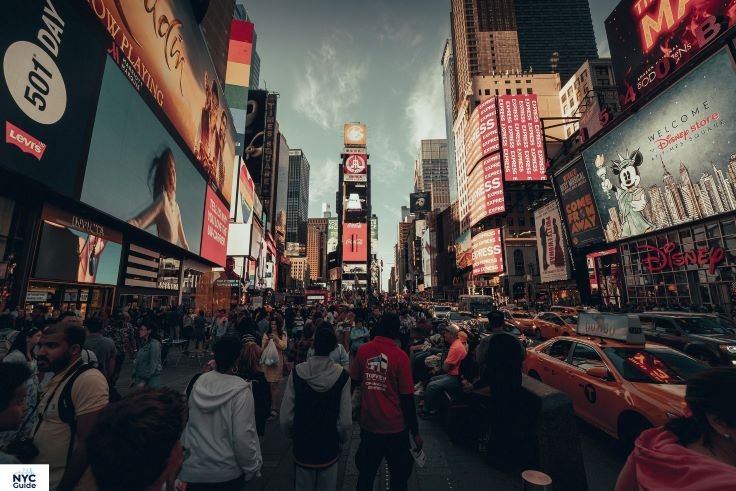
If you have ever wondered what makes this tradition so special, you are not alone. Many people want to understand the history behind the ball, how it actually works, and what it feels like to be there in person. This article covers everything from the very first drop in 1907 to the dazzling LED-powered crystal ball of today. Whether you are planning to attend or simply curious, you will find all the answers here.
The Times Square New Year’s Eve celebration has grown from a local New York event into a global cultural moment. It represents hope, renewal, and the universal joy of a fresh start. That is why it continues to draw people from every corner of the world, year after year.
The Origin of the Times Square Ball Drop
The story of the ball drop begins with a man named Adolph Ochs. He was the owner of The New York Times newspaper in the early 1900s. Ochs wanted to create a grand celebration to mark the new headquarters of the paper at One Times Square. He had a vision for something unforgettable.
Before the ball drop, fireworks were the traditional way to welcome the new year at Times Square. However, city authorities banned the fireworks due to safety concerns. Ochs needed a new idea something dramatic, visible, and safe. That is when the concept of a descending ball was born.
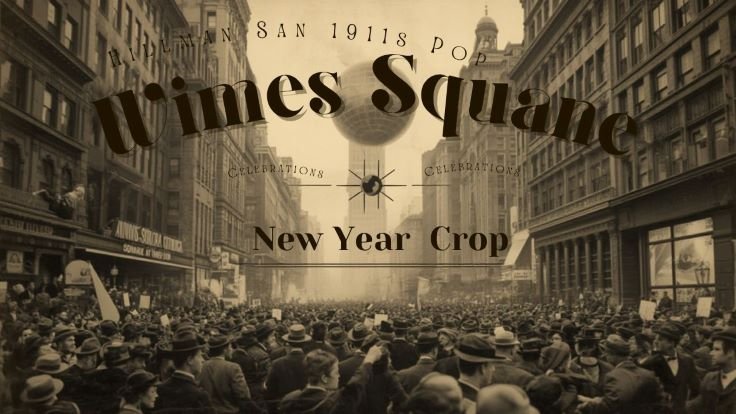
On December 31, 1907, the very first Times Square ball made its descent. It was a simple but magical idea. A large iron and wood ball would slowly lower from the top of One Times Square in the final seconds before midnight. Crowds gathered in the streets to watch, and they were captivated. The tradition had officially begun.
The public reception was immediately enthusiastic. New Yorkers loved the spectacle. It gave them something to watch together, to count down together, and to celebrate together. From that first night, the ball drop became an annual event that would only grow in size and importance.
How the Times Square Ball Drop Works
The Countdown Mechanism
The ball starts its descent exactly 60 seconds before midnight. It sits at the top of a 70-foot flagpole on the roof of One Times Square. At precisely 11:59 PM, it begins its slow, steady drop. The descent takes exactly one minute, so that when the ball reaches the bottom of the pole, it is midnight the first second of the new year.
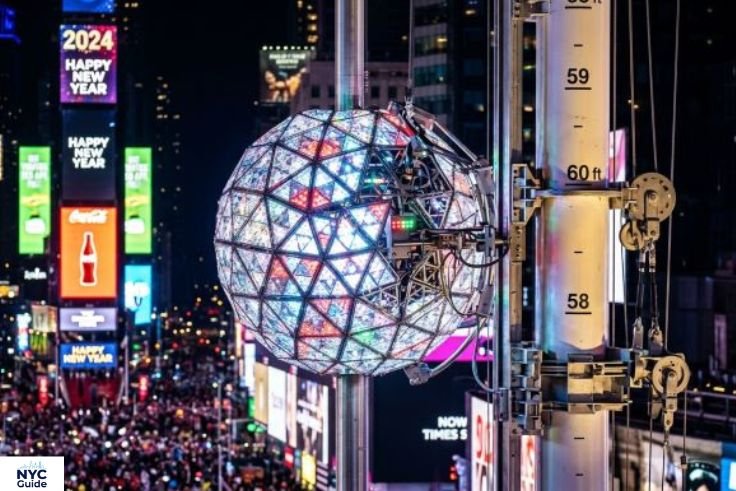
The timing is not left to chance. Engineers and technicians coordinate the drop with extreme precision. The ball travels at a carefully controlled speed to ensure it reaches the bottom at the exact right moment. It is a deceptively simple concept, but the execution requires careful planning every single year.
Technology Behind the Scenes
Behind the beautiful display is a sophisticated control system. The ball’s movement is managed by computerized systems that synchronize its descent with official atomic clock timekeeping. This ensures that the moment the ball touches down matches midnight to the second, no matter where in the world you are watching from.
Multiple backup systems are in place in case of any technical failure. Control operators monitor everything in real time from a dedicated command center. The lighting patterns on the ball are also pre-programmed, but operators can make live adjustments if needed. Nothing is left to chance during one of the most-watched moments in the world.
Evolution of the Times Square Ball
The Original Ball (1907)
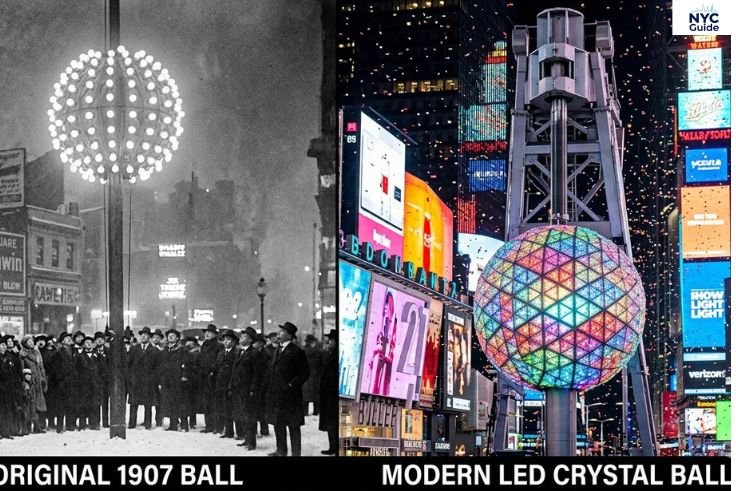
The first ball used in the 1907 celebration was made of iron and wood. It was relatively simple compared to what we see today. The ball measured about five feet in diameter and weighed approximately 700 pounds. It was decorated with 100 light bulbs, which made it glow as it descended into the crowd’s view. For its time, it was a genuinely impressive sight.
Mid-Century Changes
By 1955, the original iron and wood ball was replaced with a newer version made of aluminum. This made the ball significantly lighter and easier to manage mechanically. The aluminum ball weighed around 150 pounds a dramatic reduction from the original. It continued to serve the tradition for several decades, though its appearance remained relatively modest compared to later versions.
The Millennium Redesign
The approach of the year 2000 prompted the most significant redesign in the ball’s history. With the whole world watching for the millennium celebration, organizers wanted something truly spectacular. In 1999, the ball was reimagined from scratch. It was transformed into a much larger, more visually impressive structure that would set the stage for everything that followed.
The Modern Times Square Ball
Design and Materials
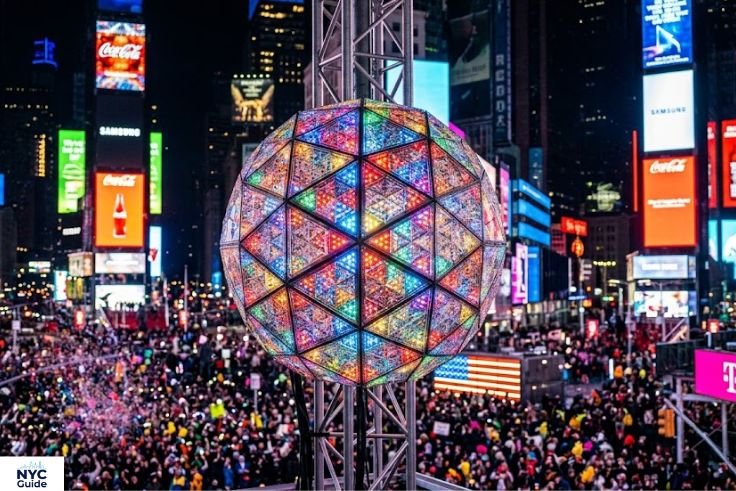
The ball used today is a genuine work of art. It is covered with 2,688 Waterford Crystal triangles, which catch and reflect light in stunning ways. The ball itself measures 12 feet in diameter and weighs approximately 11,875 pounds. It is a massive, glittering sphere that looks like something out of a dream when it catches the light. Waterford Crystal, the Irish glassmaker, has been a key partner in designing and supplying the crystal panels that give the ball its signature sparkle.
LED Technology and Lighting Effects
The modern ball uses 32,256 LED lights to produce its brilliant light show. These LEDs can produce over 16 million different colors and more than one billion color combinations. The result is a display that can shift from warm gold to vivid red, from deep blue to pure white, all in real time. The LED system is also highly energy-efficient, using far less electricity than older bulb-based systems. Philips Lighting has been involved in developing and supplying the LED technology that powers the modern ball’s spectacular visual effects.
The Millennium Celebration and Its Global Impact
The year 2000 celebration was a turning point. For the first time, the ball drop was truly a global television event. Networks around the world broadcast the Times Square countdown live. Hundreds of millions of people watched from their homes in countries that had never paid much attention to the event before.
The cultural significance of the millennium was enormous. There was genuine excitement and for some, genuine anxiety about what the year 2000 would bring. Times Square became the focal point for all of that collective emotion. The celebration that night drew record crowds and set a new standard for what the annual event could be.
After 2000, the global audience never really shrank. People around the world had discovered the magic of watching Times Square at midnight, and they kept watching. The ball drop had transformed from an American tradition into a truly global one.
Times Square Ball Drop Today
Attendance and Global Viewership
On any given New Year’s Eve, roughly one million people pack into Times Square and the surrounding streets to watch the ball drop in person. The crowd begins forming hours before midnight, with the most dedicated revelers arriving in the early afternoon to secure a good viewing spot.
Beyond the live crowd, the event reaches a staggering global audience. Estimates suggest that over one billion people watch the Times Square ball drop celebration through television and digital platforms each year. It is consistently one of the most-watched live events on Earth, rivaling major sporting events and royal occasions.
Media and Broadcasting
Television networks have covered the event for decades, with dedicated broadcast specials that begin hours before midnight. In recent years, streaming platforms and social media have added entirely new dimensions to how people watch. You can now watch the countdown live on YouTube, streaming services, and through official Times Square Alliance channels. The event is designed with cameras in mind, and the visual spectacle of the ball, the confetti, and the crowd is made to translate beautifully on screen.
Traditions Associated with the Ball Drop
The Countdown Ritual
The final 60 seconds before midnight are the heart of the entire celebration. As the ball begins its descent, the crowd joins in a synchronized countdown shouting each second together as one unified voice. This midnight countdown ceremony is electric. Even watching it on television, you feel the energy building with each passing second.
Confetti Celebration
At the exact stroke of midnight, the sky above Times Square erupts in confetti. Nearly three tons of colorful confetti rains down on the crowd in one of the most joyful visual moments of the entire year. The confetti celebration at midnight has become as iconic as the ball itself. Many of the confetti pieces carry messages and wishes written by people from around the world, submitted through the Times Square Alliance’s Wishing Wall program.
Live Performances and Celebrity Appearances
The hours leading up to midnight are filled with live performances by major musical artists and appearances by well-known celebrities. TV broadcast specials feature performances that can attract their own audiences. These live performances on New Year’s Eve add an entertainment dimension to the event that keeps people engaged throughout the evening, not just for the final countdown.
Interesting Facts About the Times Square Ball
Here are some quick facts that often surprise people:
- The ball is 12 feet in diameter and weighs 11,875 pounds
- It is covered with 2,688 Waterford Crystal triangles
- It features 32,256 LED lights capable of over one billion color combinations
- The ball descends exactly 70 feet in 60 seconds
- It is designed to withstand all weather conditions, including wind, rain, and extreme cold
- The ball remains on display at the top of One Times Square year-round it only descends on New Year’s Eve
- Multiple independent backup systems ensure the drop happens on time even if primary systems fail
- The ball has only been canceled twice in its history in 1942 and 1943, due to wartime blackout restrictions
Challenges and Controversies
Security and Crowd Management
Managing a crowd of one million people in a confined urban environment is an enormous logistical challenge. The New York Police Department deploys thousands of officers for the event. Streets are blocked off, bags are checked, and the area is divided into designated viewing pens where attendees must stay. It works remarkably well, but it does require significant resources and coordination every single year.
One thing to be aware of if you attend: once you enter a viewing pen, you generally cannot leave and re-enter. There are no restroom facilities inside the pens. This catches many first-time visitors off guard. I will cover this more in the practical tips section below.
Weather Conditions
Times Square in late December is genuinely cold. Wind chill can make it feel significantly colder than the actual temperature. Rain and snow are not uncommon. The ball itself is built to function in all weather conditions, but the experience for attendees can vary dramatically depending on the year. I have spoken to people who attended in mild weather and loved every minute of it, and others who stood in freezing rain for six hours and swore never to return.
Event Disruptions or Changes
In 2021, the event was significantly scaled back due to the COVID-19 pandemic. The ball still dropped, but the crowd was limited to essential workers and a small group of invited guests. This was the only major disruption to the public celebration in decades. In 2022, the full public event returned, and the crowds came back in force.
How to Experience the Times Square Ball Drop
Attending in Person
If you want to attend the ball drop in person, planning is everything. Here is what you need to know:
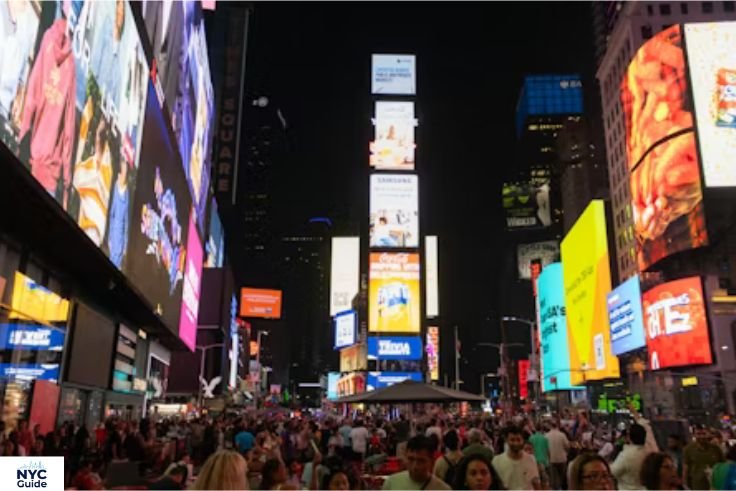
When to arrive: Viewing areas open at around 3:00 PM on December 31st. The most popular spots fill up very quickly. If you want a central viewing position, aim to arrive by 3:00–4:00 PM. Yes, that means standing outside for eight or more hours.
What to expect: The experience is unlike anything else. The energy of the crowd is extraordinary. But you need to be prepared physically. Wear multiple layers of warm clothing. Bring hand warmers and waterproof boots. Eat a solid meal before you arrive, because you will not be able to leave your pen to get food. Bring only what you can carry comfortably, as bag checks are thorough.
No ticket required: Attendance is free. There is no ticket to purchase for the public viewing areas. However, if you want a premium experience a hotel room or restaurant overlooking Times Square those book out months in advance and cost significantly more than on a normal night.
Nearby hotels: If you can afford it, booking a room in a hotel directly overlooking Times Square is the most comfortable way to watch. Hotels like the Marriott Marquis and the Knickerbocker have been popular choices, though rooms on New Year’s Eve can cost many times their normal rate.
Watching from Home
If attending in person is not for you, watching from home is a genuinely great alternative. Several major networks broadcast the event live, including ABC and CNN, which have been consistent homes for New Year’s Eve coverage. The Times Square Alliance also streams the event live on its official website and YouTube channel.
Streaming the event means you get the best camera angles, commentary, and musical performances without standing in the cold for eight hours. Honestly, for families with young children or anyone who values comfort, it is hard to argue with the home viewing experience.
Why the Times Square Ball Became an Icon
The ball drop endures because it taps into something universal. Every human culture marks the passage of time. The desire to celebrate a new beginning, to leave the old year behind and welcome something fresh, is shared across all languages and borders.
Times Square itself amplifies everything. The lights, the scale, the density of humanity all gathered in one place it creates an atmosphere that is almost impossible to replicate. The media has reinforced the image for over a century, and generation after generation has grown up watching the ball descend and the confetti fall.
There is also the simple visual power of the ball itself. It is a beautiful object. The way the Waterford Crystal triangles catch the light, the shifting colors from the LEDs, the slow steady descent it is theatrical without being artificial. It earns its status as a cultural symbol of celebration every single year by delivering a genuinely moving spectacle.
Manhattan, of course, is the perfect stage. Times Square sits at the center of the most famous city skyline in the world. That combination of place, tradition, and spectacle is what makes the ball drop more than just a countdown. It is a moment.
Conclusion
The Times Square ball is far more than a decoration. It is a tradition that has connected generations of people across more than a century. From Adolph Ochs’s original iron and wood ball in 1907 to today’s 11,875-pound crystal and LED masterpiece, the ball drop has always been about more than engineering or spectacle. It is about the human need to mark time, to celebrate together, and to feel hopeful about what comes next.
Whether you stand in Times Square with one million strangers counting down the final seconds, or you watch from your couch with family and friends, the emotion is real. The annual New Year event in NYC reminds the world every year that some things are worth celebrating loudly, together, and with as much light and color as possible.
That is why millions gather, billions watch, and the Times Square ball drop remains one of the great traditions of modern life.
FAQ
The ball begins its descent at exactly 11:59 PM on December 31st and reaches the bottom at midnight, marking the start of the new year.
Yes. Public viewing in Times Square is completely free. No tickets are required.
The current ball weighs approximately 11,875 pounds and measures 12 feet in diameter.
No. Once you enter a designated viewing pen, you cannot leave and return. Plan accordingly.
Yes. The ball is designed to function in all weather conditions. The event has only been canceled twice, both times during World War II.
Viewing areas open around 3:00 PM. Arriving by 3:00–4:00 PM gives you a reasonable chance of a central viewing position.