
Planning a trip to New York City and wondering if Central Park is really worth your time? Trust me, this is one place that never disappoints. Central Park New York is one of the most visited urban parks in the entire world, and for good reason. Whether you are a first-time visitor or coming back for more, this park has something new to offer every single time.
I have visited Central Park multiple times across different seasons, and each visit felt completely different. In this guide, I will walk you through everything you need to know before stepping foot inside. From the best spots to visit, how to get around, what it costs, and how to stay safe it is all here.
This is your complete central park travel guide for 2026. By the end of this article, you will know exactly how to plan your day, what to skip, and what you absolutely cannot miss.
What Is Central Park in New York City?
Central Park is an iconic urban park in Manhattan that sits right in the heart of New York City. It is a green oasis in New York City surrounded by towering skyscrapers, busy streets, and millions of people rushing through daily life. The moment you walk through its gates, the noise fades and you enter a completely different world.
The park stretches across 843 acres of land, making it one of the largest urban parks in the United States. It runs from 59th Street in the south all the way up to 110th Street in the north. From east to west, it spans from Fifth Avenue to Central Park West.
Central Park is famous for its scenic walking paths, iconic landmarks, beautiful lakes, and open green spaces. It attracts over 42 million visitors every year, making it one of the most photographed places on earth. It is a family-friendly destination, a romantic retreat, a sports venue, and a cultural hub all rolled into one.
Quick Facts:
- Size: 843 acres
- Length: 2.5 miles (north to south)
- Width: 0.5 miles (east to west)
- Coordinates: 40.7851° N, 73.9683° W
- Annual visitors: Over 42 million
- Opened: 1858
- Managed by: Central Park Conservancy
History of Central Park
Central Park was not always the beautiful green space you see today. Before it was built, this land was a mix of swamps, rocky outcrops, and low-income settlements. The city of New York purchased the land in 1853, and a design competition was held to transform it into a public park.
The winning design, called the Greensward Plan, was submitted by Frederick Law Olmsted and Calvert Vaux in 1858. These two men had a remarkable vision to create a natural-looking landscape inside one of the busiest cities in the world. They designed every hill, pond, and path deliberately to look as natural as possible.
Construction took nearly 20 years and involved moving around 10 million cartloads of stone and soil. Over 500,000 trees and shrubs were planted. The park finally opened to the public in stages, with much of it accessible by the late 1870s.
Central Park played a huge role in the development of New York City as a whole. It raised property values in the surrounding neighborhoods, gave working-class residents a place to breathe fresh air, and helped establish the concept of public green spaces in American cities. Today, it is a National Historic Landmark and one of the most recognized parks in the world.
Where Is Central Park Located?
Central Park sits right between two of Manhattan‘s most prestigious neighborhoods the Upper West Side to the west and the Upper East Side to the east. It is incredibly well-positioned for tourists because so many of New York’s famous attractions are within walking distance or a short subway ride away.
Fifth Avenue runs along the eastern edge of the park, lined with luxury hotels and the famous Museum Mile. Times Square is roughly 10 to 15 minutes away by subway or taxi. The Empire State Building is about 2 miles south and easily reachable. The American Museum of Natural History sits just across the street from the park’s western edge on Central Park West.
Getting to Central Park is simple. The New York City subway has multiple stops along the park’s perimeter. The A, B, C, D, and 1 trains all have stations near the park. The most popular entry points are at Columbus Circle (59th Street, southwest corner) and the 72nd Street stations on both the east and west sides. If you are staying in Midtown Manhattan, you can easily walk to the park’s southern entrance in under 10 minutes.
Top Things to Do in Central Park New York City
There are dozens of central park attractions worth your time, but some spots stand out above the rest. Here are the best things to do in central park that I personally recommend.
Visit Bethesda Terrace and Bethesda Fountain
Bethesda Terrace is arguably the most iconic spot in all of Central Park. When I first walked down the steps toward the fountain, I genuinely stopped in my tracks. The architecture is stunning, and the open view of the lake behind the fountain is absolutely breath taking.
Bethesda Fountain sits at the center of the terrace and features the Angel of the Waters sculpture at its top. It was unveiled in 1873 and remains one of the most photographed landmarks in New York City. The area is lively throughout the day with musicians, street performers, and visitors soaking in the atmosphere. This is one of the most romantic spots in NYC and a perfect place to sit and people-watch.
Walk Across Bow Bridge
Bow Bridge is one of the most beautiful cast iron bridges in the United States. It stretches across the Lake in Central Park and offers stunning skyline views of Manhattan on both sides. The reflection of the surrounding trees and buildings in the water below is something photographers dream about.
The bridge is located near the 72nd Street entrance on the west side of the park. I visited it on a foggy autumn morning once, and it looked like something out of a film. It is a short walk from Bethesda Fountain, so most visitors include both in the same loop.
Explore Belvedere Castle
Belvedere Castle is a Victorian-style castle sitting on Vista Rock, the second highest point in Central Park. It was built in 1869 and originally served as a weather observation station. Today it houses a nature observatory run by the Central Park Conservancy.
From the top of the castle, you get one of the best panoramic views of the park, including the Great Lawn and Delacorte Theater below. Entry is free and it is open most days. Kids absolutely love it here my nephew called it a “real castle” and refused to leave for almost an hour.
Relax at Sheep Meadow
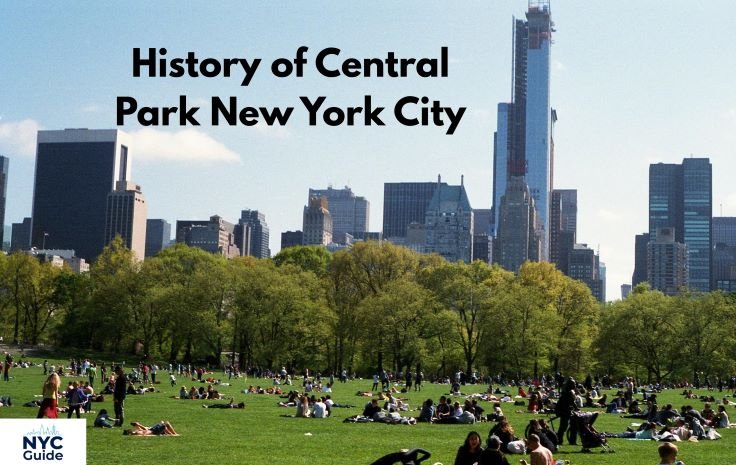
Sheep Meadow is a 15-acre open lawn in the southern section of Central Park. As the name suggests, sheep actually grazed here until 1934. Today it is one of the most popular spots in the park for picnics, sunbathing, frisbee, and just lying in the grass with a good book.
On a warm summer weekend, this meadow fills up quickly. I recommend arriving before noon to find a comfortable spot. No sports or loud activities are allowed here, which keeps the atmosphere calm and relaxed. It is one of the best spots in central park for simply doing nothing.
Ice Skating at Wollman Rink
Ice skating in winter at Wollman Rink is a quintessential New York City experience. The rink is located in the southern part of the park near 63rd Street and is open from October through April each year. Skating against the backdrop of the Manhattan skyline is truly one of a kind.
Ticket prices typically range from $15 to $25 depending on the day and time. Skate rentals are available for around $10 to $12. Weekends get very crowded, so arriving early or going on a weekday morning is a smart move. One mistake many visitors make is showing up without cash have a card ready as they accept both.
Visit Strawberry Fields
Strawberry Fields is a quiet, contemplative section of Central Park dedicated to the memory of John Lennon, who lived in the nearby Dakota building before his death in 1980. The memorial centers around a mosaic on the ground that simply reads “Imagine.”
It is a moving place to visit, even if you are not a huge Beatles fan. People leave flowers, sing songs, and sit in peaceful silence. I found it unexpectedly emotional on my first visit. It is located near the 72nd Street West entrance, making it easy to combine with a visit to Bow Bridge and Bethesda Fountain.
See Animals at Central Park Zoo
The Central Park Zoo is a small but well-maintained zoo located near the park’s southeast corner at 64th Street and Fifth Avenue. It is home to over 130 species including sea lions, snow leopards, red pandas, and penguins.
Admission is around $15 for adults and $10 for children. It is a great option for families with young kids and takes about 1.5 to 2 hours to explore fully. The sea lion feeding sessions are particularly popular, so check the schedule when you arrive.
Central Park in Every Season
Central Park in Spring
Spring is one of the best times to visit Central Park. Cherry blossoms in spring transform the park into a pink and white wonderland, usually peaking in late March through mid-April. The areas around the Reservoir and the cherry hill near Bethesda Fountain are particularly stunning.
The weather is mild and comfortable, usually ranging from the mid-40s to low 60s Fahrenheit. The park comes alive with joggers, cyclists, and families enjoying the fresh air after a long winter. It is also a fantastic time for photography.
Central Park in Summer
Summer in Central Park means outdoor concerts, Shakespeare in the Park performances at Delacorte Theater, and picnics on the Great Lawn. The park buzzes with energy from early morning until well after sunset. Free SummerStage concerts are a highlight for many visitors.
It does get hot and humid, sometimes reaching the upper 80s or even 90s Fahrenheit. Bring water, sunscreen, and a hat. Mornings and evenings are the best times to explore comfortably during the summer months.
Central Park in Fall
Autumn foliage in Central Park is breathtaking. From late September through November, the trees shift into brilliant shades of orange, red, and gold. The Mall, the Ramble, and the area around the Reservoir are particularly scenic during this season.
Fall is also excellent for photography. The light during the late afternoon hours hits the colored leaves in a way that looks almost magical. Temperatures are comfortable for walking and cycling, making it an ideal season for central park sightseeing.
Central Park in Winter
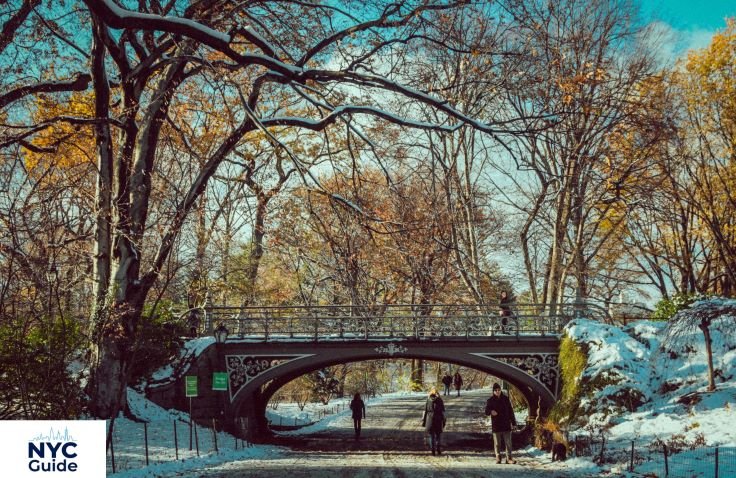
Snow views in Central Park are like something from a postcard. After a fresh snowfall, the park becomes incredibly quiet and peaceful. Ice skating at Wollman Rink is at its peak during this season, and the holiday season brings a festive atmosphere near the southern entrances.
Dress warmly in layers. Even on clear winter days, the wind can make it feel much colder than the temperature suggests. Early mornings after a snowfall, before the crowds arrive, are absolutely magical.
How to Visit Central Park
By Foot
Walking is by far the most popular and rewarding way to explore the park. The scenic walking paths stretch for over 58 miles total, so you will never run out of new routes to discover. A comfortable pair of shoes is all you need.
Bike Rental
Central Park bike rental is available from several vendors just outside the park’s southern entrances, particularly along 59th Street. Prices typically range from $15 to $20 per hour. Cycling the entire loop around the park is about 6 miles and takes roughly 45 minutes at a relaxed pace. You can bike inside Central Park on dedicated paths, which are separated from pedestrian walkways.
Horse Carriage Ride
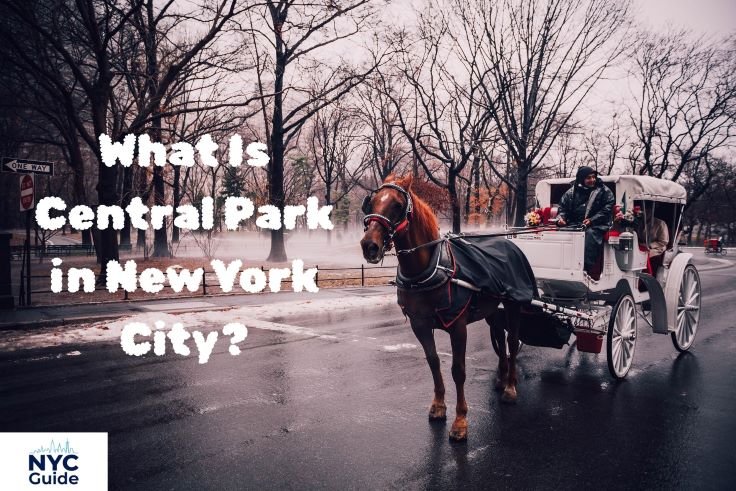
Horse carriage rides are one of the most classic and romantic ways to experience the park. The carriages depart from Central Park South along 59th Street and typically charge around $75 to $150 per ride depending on the duration. It is a popular choice for couples and a memorable experience, especially in the evening or after a light snowfall.
Running Paths
Central Park is one of the most famous running destinations in the world. The 1.58-mile Reservoir Loop is the most popular running path, especially among early morning runners. The full 6-mile outer loop is great for longer runs. Central Park activities like organized races and running groups are held here regularly throughout the year.
Boating at The Lake
From spring through fall, you can rent rowboats at Loeb Boathouse on the eastern shore of The Lake. Rentals cost around $20 to $25 per hour. It is a wonderfully relaxing way to see parts of the park that most visitors never experience from the water. I rented a boat on a quiet Tuesday afternoon once and had almost the entire lake to myself.
Central Park Map and Entrances
Central Park has over 20 entrances along its perimeter, but a few stand out as the best starting points for most visitors.
The main entrance at Columbus Circle (59th Street and Central Park West, southwest corner) is the most popular. From here you are immediately close to Sheep Meadow, Wollman Rink, and the Mall leading up toward Bethesda Fountain.
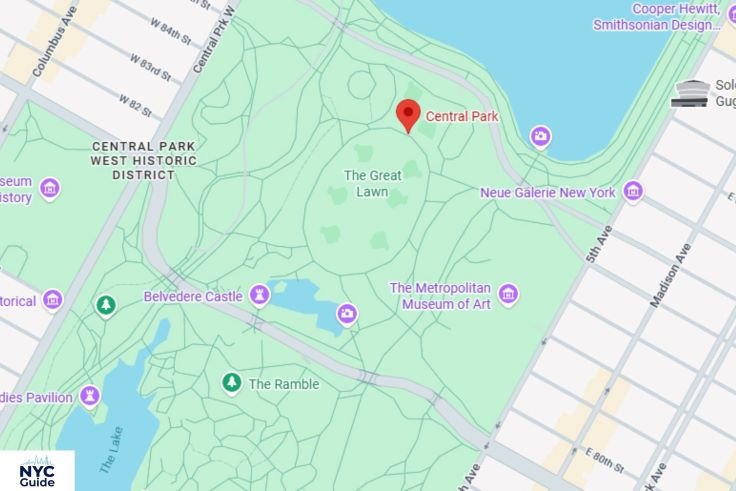
The 72nd Street entrances on both the east and west sides are ideal if you want to head straight to Strawberry Fields, Bow Bridge, or Bethesda Fountain. The 86th Street transverse is useful if you are coming from the Upper East Side and heading toward the Great Lawn or Belvedere Castle.
The Central Park Conservancy website at centralparknyc offers a free downloadable map of the park with all landmarks, entrances, restrooms, and facilities clearly marked. I always recommend downloading it before your visit rather than relying on mobile data inside the park.
How Much Time Do You Need?
2-Hour Visit: If you only have two hours, focus on the southern section. Start at Columbus Circle, walk up to Bethesda Fountain, cross Bow Bridge, stop at Strawberry Fields on the way back, and exit at 72nd Street West. You will cover the highlights without feeling rushed.
Half-Day Itinerary: Four to five hours gives you time to add Belvedere Castle, a stroll along the Reservoir, a stop at the Central Park Zoo, and a relaxed break on Sheep Meadow. This is ideal for most casual visitors.
Full-Day Experience: A full day in the park lets you explore at a leisurely pace, rent a bike or rowboat, enjoy a meal at Loeb Boathouse restaurant, and really soak in the atmosphere. By evening, catching the sunset from the Reservoir or Belvedere Castle is something you will remember for a long time.
Is Central Park Free?
Yes, entry to Central Park is completely free. You can walk in through any of its 20-plus entrances at no cost, any time of day or night.
However, some specific attractions within the park do charge admission. The Central Park Zoo costs around $15 for adults and $10 for children. Wollman Rink charges $15 to $25 for ice skating plus a skate rental fee. Rowboat rentals at Loeb Boathouse cost around $20 to $25 per hour. Horse carriage rides range from $75 to $150 depending on duration. Most other areas including Bethesda Fountain, Bow Bridge, Belvedere Castle, Strawberry Fields, and Sheep Meadow are all completely free to visit.
Safety Tips for Visitors
Central Park is generally very safe, especially during the day. It is well-maintained, heavily visited, and regularly patrolled by NYPD officers and park staff.
During the day, the park is extremely safe for solo travelers, families, and tourists. Keep standard city precautions in mind do not flash expensive cameras or phones unnecessarily, and be aware of your surroundings in less crowded areas like the Ramble.
At night, the southern sections near Wollman Rink and Bethesda Terrace remain well-lit and busy. However, I would advise against walking alone in isolated northern sections of the park after dark, particularly in areas like the Ramble or North Woods.
The best areas to base yourself near the park include Midtown West, the Upper West Side, and the Upper East Side. Hotels near Columbus Circle offer excellent access to the park’s southern entrance and are well-located for exploring the rest of the city too.
A few common tourist precautions worth mentioning: watch out for unofficial “tour guides” near the main entrances who may charge for directions or maps, always carry a printed or downloaded map since mobile data can be spotty inside the park, and wear comfortable walking shoes because you will cover more ground than you expect.
Frequently Asked Questions
How big is Central Park?
Central Park covers 843 acres of land in the heart of Manhattan. It stretches 2.5 miles from north to south and 0.5 miles from east to west, making it one of the largest urban parks in the United States.
What is Central Park famous for?
Central Park is famous for being an iconic urban park in Manhattan surrounded by the New York City skyline. It is known for its stunning landscapes, iconic landmarks like Bethesda Fountain and Bow Bridge, recreational activities, and its role as a green oasis in New York City.
Is Central Park safe at night?
The well-lit, heavily trafficked southern areas of Central Park are generally safe at night. However, isolated northern sections and wooded areas should be avoided after dark. Stick to well-lit paths and populated areas if visiting in the evening.
What to see in one day?
In one day, focus on Bethesda Fountain, Bow Bridge, Strawberry Fields, Sheep Meadow, Belvedere Castle, and the Central Park Zoo. Walk or rent a bike to cover more ground. This itinerary gives you a thorough experience of the park’s best highlights.
Can you bike inside Central Park?
Yes, cycling is allowed on designated paths inside Central Park. You can rent a bike from vendors near the 59th Street entrances for around $15 to $20 per hour. The full outer loop is about 6 miles and takes roughly 45 minutes at a relaxed pace.
Final Thoughts
Central Park New York City is one of those rare places that genuinely lives up to its reputation. Whether you visit for two hours or an entire day, whether you come in the bloom of spring or the quiet of winter, the park has a way of making you feel like you have stepped out of the city entirely even though you are surrounded by it.
I have walked these paths more times than I can count, and every visit brings something new. Plan ahead, wear comfortable shoes, download the map, and simply allow yourself to wander. This 843-acre public park is waiting for you, and it will not disappoint.