
Have you ever wondered why New York City carries the iconic title of “the city that never sleeps”? Many travelers arrive in New York expecting one thing and find something far bigger, louder, and more alive than they imagined. It can feel overwhelming at first, especially when you step out at midnight and find the streets still buzzing with energy.
The good news is that this reputation is not just marketing. New York: the city that never sleeps is a real, lived experience that millions of people feel every single day and night. Whether you are a first-time visitor or a curious reader, this guide will explain exactly what makes this city so uniquely restless and why it has earned this legendary nickname.
In this article, we will walk through the history behind the phrase, the real reasons NYC stays awake, the best places to experience it, and honest truths about what the “sleepless city” lifestyle actually looks like. By the end, you will understand New York in a way most tourists never do.
Why Is New York Called “The City That Never Sleeps”?
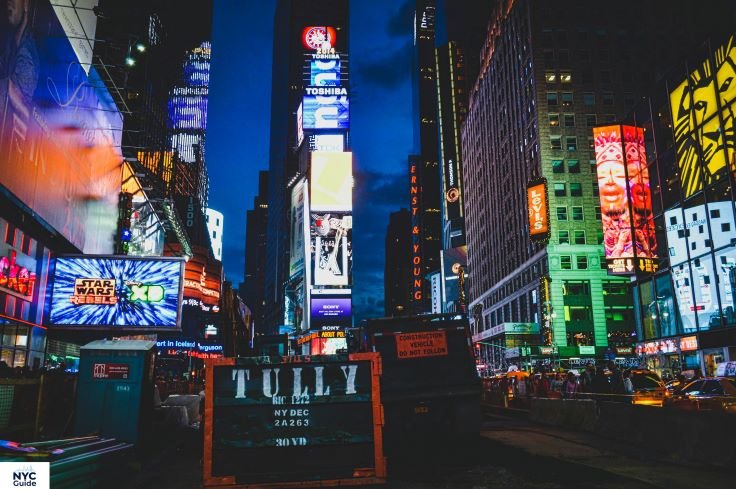
The phrase is simple but powerful. New York City earned this nickname because life here genuinely does not stop after sunset. Restaurants stay open past midnight. The subway runs all night. Times Square glows brighter at 2 AM than most cities do at noon.
The 24/7 Lifestyle
New York City operates on a rhythm unlike anywhere else in the world. Grocery stores stay open around the clock. Food delivery apps fulfill orders at 3 in the morning. Gyms, pharmacies, and diners serve customers through the night without a second thought. When I first arrived in New York and walked out of my hotel at 11 PM looking for a snack, I was genuinely surprised to find a fully packed diner on the corner with a 20-minute wait. That is just normal life here.
Global Reputation
The city’s reputation as a 24/7 destination is recognized globally. Tourists from Asia, Europe, and South America all arrive with the same expectation that New York will meet them at any hour. And it does. This NYC 24/7 lifestyle is not a tourist gimmick. It is built into the culture, the economy, and the bones of the city itself.
The Origins of the Nickname
Historical Background
The phrase “city that never sleeps” has roots going back to the early 20th century. As New York grew into a global industrial and financial powerhouse in the 1900s, its streets filled with workers, immigrants, entertainers, and traders at all hours. The city’s port never stopped. The markets never fully closed. Life simply continued through the night out of necessity.
Media and Pop Culture Influence
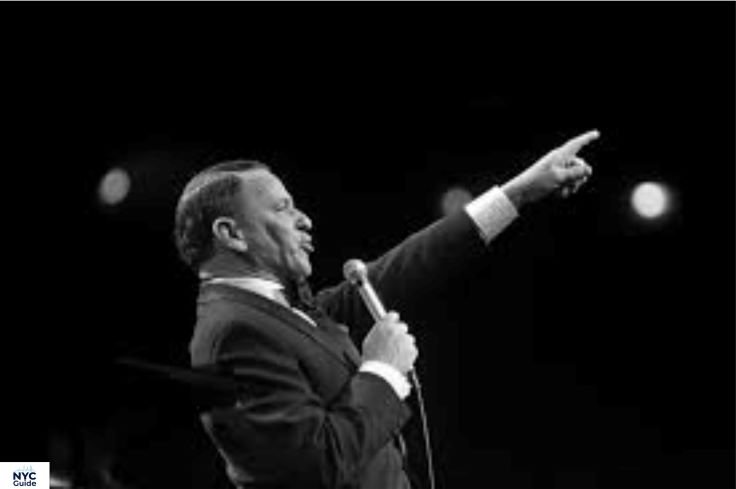
The phrase gained enormous cultural weight through music and film. The most famous connection is Frank Sinatra’s 1980 classic “New York, New York,” which ends with the iconic line about a city that never sleeps. That song alone embedded the nickname into the global imagination. Hollywood films, television shows, and countless travel magazines repeated it until it became inseparable from the city’s identity.
Connection with “New York, New York”
The song “New York, New York” is probably the single biggest reason the phrase spread worldwide. Sinatra’s version painted a picture of ambition, hustle, and sleepless energy. It told the world that if you could make it here, you could make it anywhere. That message resonated with millions of dreamers, and the nickname has never left.
What Makes New York City Sleepless?
1. A Legendary Nightlife Scene
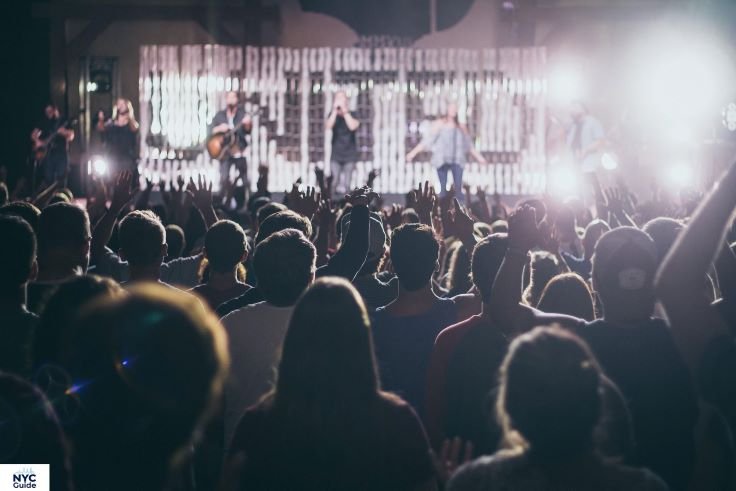
New York City nightlife is one of the most celebrated in the world. The city has thousands of bars, live music venues, comedy clubs, rooftop lounges, and underground nightclubs spread across Manhattan, Brooklyn, and beyond. Whether you prefer jazz in Harlem or electronic music in Bushwick, there is something happening every single night of the week.
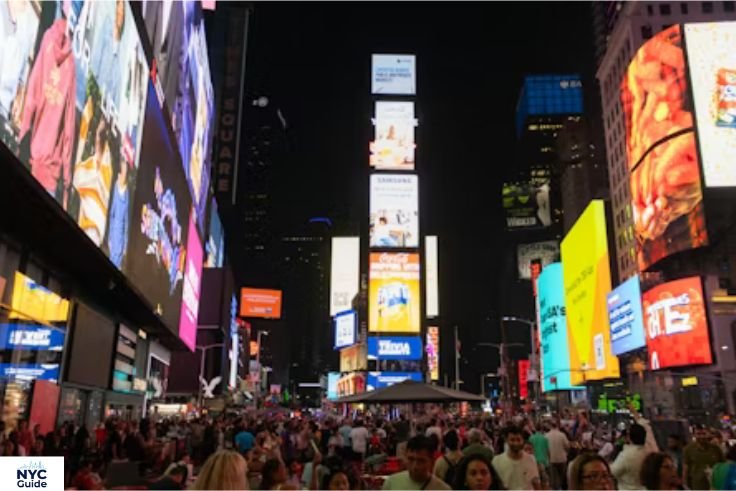
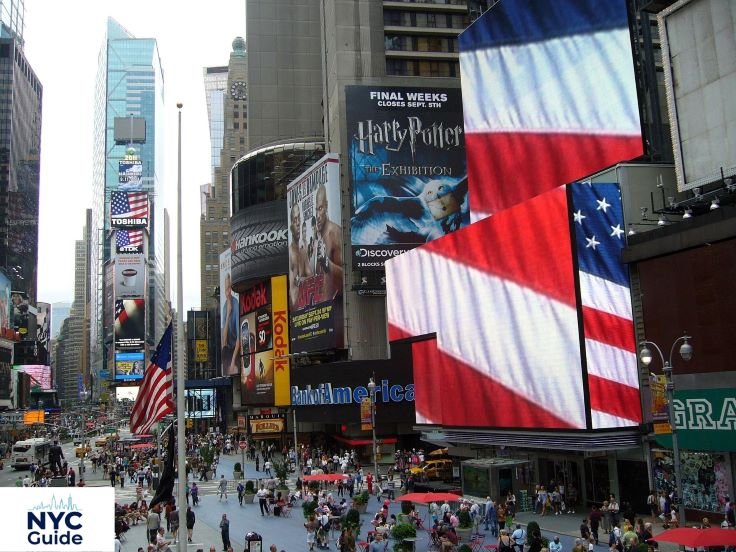
Times Square at night is perhaps the most iconic image of NYC’s sleepless energy. The giant LED billboards light up the area like permanent daylight. Street performers work late into the night. Tourists fill the pedestrian plazas. Restaurant rows stay packed well past midnight. When we reached Times Square around 1 AM during our trip, I genuinely could not believe how many people were still out families, couples, solo travelers, all wide awake.
Quick tips for nightlife:
- Most clubs in NYC open late and do not get busy until after midnight
- Cover charges range from free to around $30 depending on the venue
- Always carry a valid ID, as New York enforces age verification strictly
2. Around-the-Clock Transportation
One of the biggest reasons New York City stays active all night is its transportation system. The New York City Subway is one of the only metro systems in the world that runs 24 hours a day, 7 days a week, 365 days a year. There is no last train. There is no shutdown window. You can get on a subway at 4 AM and travel across the city without any drama.
On top of the subway, yellow taxis and ride-sharing services like Uber and Lyft are available at any hour. The city’s bus network also operates through the night, with reduced frequency but reliable coverage. This NYC 24/7 transportation system is what makes the sleepless city lifestyle physically possible. Without it, everything would shut down at midnight like most other cities.
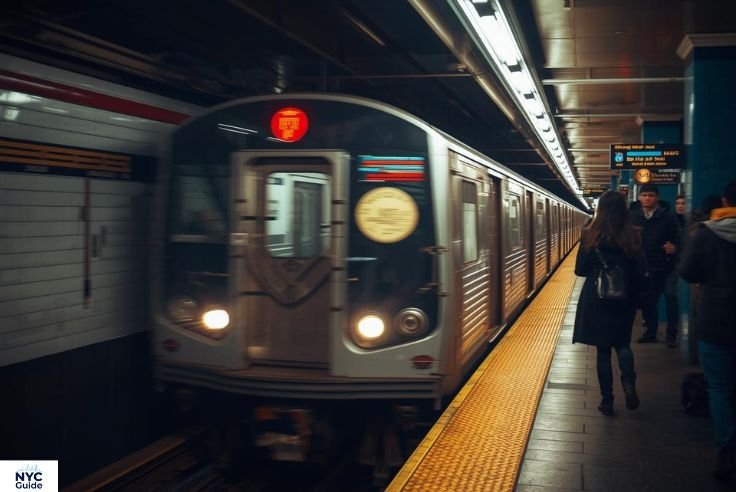
Tip: Late-night subway rides are generally safe but stay in well-lit cars and trust your surroundings. One mistake we made was waiting on an empty platform instead of moving closer to the conductor’s car always wait near the center of the platform where it is busier.
3. A Powerful Economy That Never Stops
New York City is home to Wall Street and the New York Stock Exchange, the financial heartbeat of the world. While the stock market itself operates on business hours, the work surrounding it research, trading strategy, international deals, back-office operations never truly stops.
Beyond finance, New York is a global hub for media, publishing, fashion, technology, and advertising. Deadline-driven industries thrive on late nights. Editors work past midnight. Production crews film through the early morning hours. Startups hustle around the clock. The city’s fast-paced life in New York is not an exaggeration it is an economic necessity for many residents.
4. Cultural Diversity and Global Influence
New York City is one of the most diverse cities on earth. Over 800 languages are spoken within its borders. Immigrant communities from every corner of the world have brought their food, traditions, and social rhythms to the city. Many of these cultures have nighttime social traditions that are simply part of normal life.
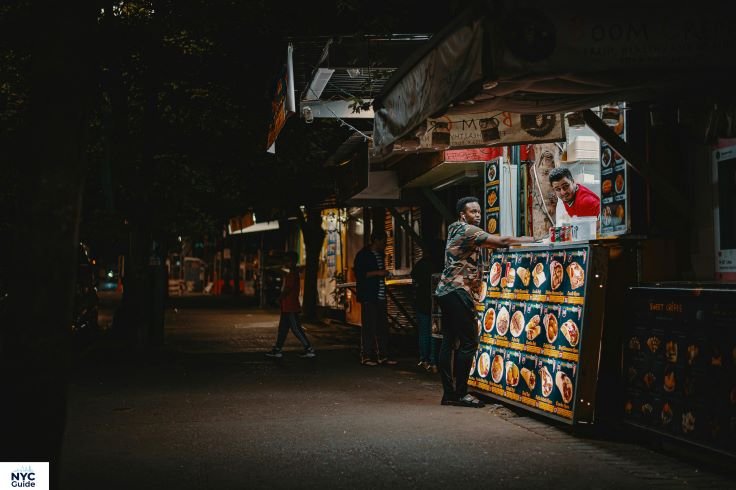
Chinatown dim sum restaurants serve food through the early morning. Dominican and Puerto Rican communities in Washington Heights celebrate with music and street gatherings late into the night. Indian restaurants in Jackson Heights stay open to serve night-shift workers. This cultural patchwork means that at any hour, some community is awake, eating, celebrating, or working.
5. Iconic Landmarks Open Late
Many of New York’s most famous attractions offer extended or even 24-hour access. The Empire State Building observation deck stays open until 2 AM, giving night visitors one of the most breathtaking views in the world. The glow of Manhattan spread out below you at midnight is something I will never forget.
Late-night landmarks worth visiting:
- Empire State Building — open until 2 AM (tickets around $44 for standard admission)
- Brooklyn Bridge — accessible to walk at any hour, free
- High Line — open until 10 PM most evenings, later in summer
- Staten Island Ferry — free and runs 24 hours, offering great views of the Statue of Liberty
6. Driven and Ambitious Residents
New York City attracts a specific type of person. People come here with big goals. Actors, entrepreneurs, artists, bankers, chefs they all come to New York because they believe it is where things happen. This creates a culture of hustle that keeps the city moving long after dark.
The “sleep when you’re dead” mentality is genuinely common in certain New York circles. My friends who moved to Manhattan for finance careers routinely worked past midnight and were back at their desks by 7 AM. This work ethic, for better or worse, feeds the city’s sleepless energy in a very real way.
Tourism: A Key Driver of NYC’s Energy
New York City welcomes around 60 million visitors per year. Tourists are a massive reason why the city stays so active at night. Visitors arrive from different time zones and often cannot sleep due to jet lag. They explore the city at unusual hours, keeping restaurants, shops, and attractions busy even in the middle of the night.
Broadway shows are a cornerstone of New York night tourism. The Broadway Theatre District in Midtown Manhattan hosts performances most evenings, typically starting at 7 or 8 PM and running until 10 or 11 PM. After shows end, nearby restaurants and bars fill up with theatergoers. The whole neighborhood stays electric well past midnight on show nights.
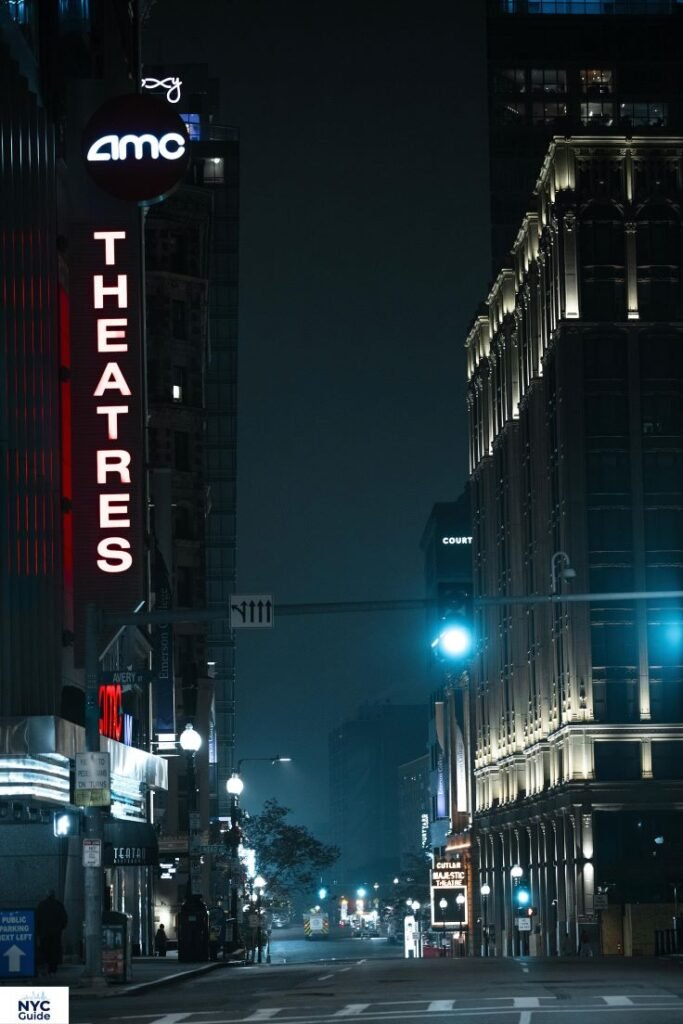
Broadway tips:
- Tickets range from around $75 for discounted seats to $350+ for premium shows
- TKTS booths in Times Square offer same-day discounts of 20–50% on many shows
- Popular shows like Hamilton or The Lion King book out weeks in advance
Night tourism in New York is a real industry. Countless guided night tours, food tours, and photography walks operate specifically after dark because the city is so different and so beautiful at night.
Famous Places That Stay Active All Night
Times Square
Times Square is the undisputed capital of New York’s nightlife energy. The area is technically always busy, but it reaches a kind of electric peak between 10 PM and 2 AM. Street vendors, performers, tourists, and locals mix in a way that feels uniquely New York. The lights never go off. The energy never fully drops.
Central Park (Late Activity Areas)
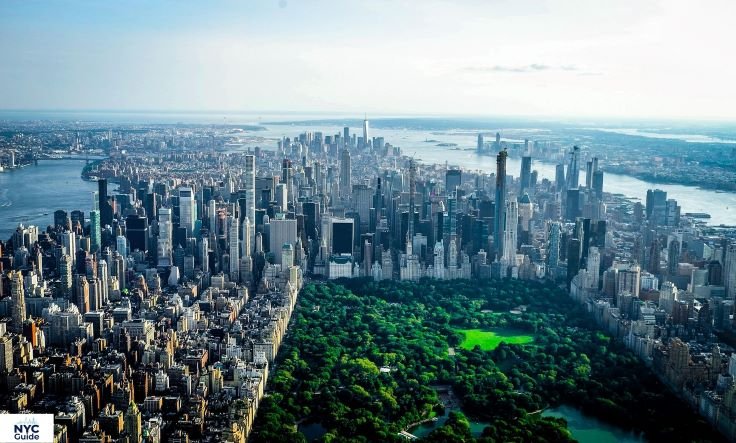
Central Park is massive and largely quiet after dark, but certain areas remain active. The park’s southern entrances near Columbus Circle and the Plaza Hotel see pedestrian traffic late into the evening. The park itself closes to cyclists and most activities after 1 AM, but walking paths near the edges remain accessible.
Brooklyn Bridge
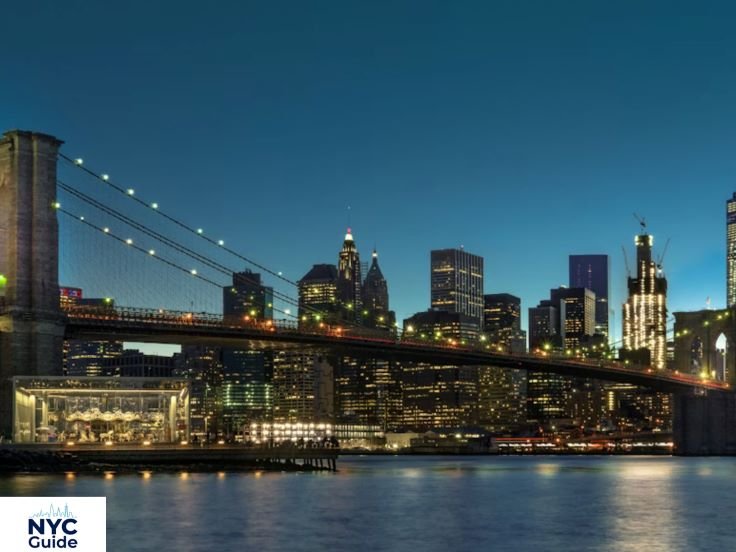
The Brooklyn Bridge is one of the best free experiences in all of New York. The pedestrian walkway is technically accessible at any hour. Walking across at night, with the Manhattan skyline reflecting off the East River, is genuinely spectacular. It takes about 30–40 minutes to walk across at a comfortable pace and costs absolutely nothing.
Challenges of Being “The City That Never Sleeps”
The sleepless city lifestyle comes with real costs.
Noise Pollution
New York is loud. Garbage trucks run at 3 AM. Sirens go off constantly. Construction projects sometimes start before dawn. If you are staying in a budget hotel without proper soundproofing, you will hear all of it. Earplugs are genuinely useful for light sleepers visiting New York.
Stress and Fast-Paced Living
The relentless energy that makes New York exciting also makes it exhausting. Many long-term residents quietly admit that the pace wears them down over time. The fast-paced life in New York is thrilling for visitors but genuinely demanding for people who live it every single day.
Cost of Living
New York is one of the most expensive cities in the world. A one-bedroom apartment in Manhattan can cost well over $3,000 per month. A simple lunch can run $20 or more. The economic pressure that comes with this cost of living is part of what keeps people working such long hours and keeps the city awake.
Modern Adaptations: A 24/7 Digital City
New York has fully embraced the digital economy in ways that reinforce its sleepless identity. Food delivery apps like DoorDash, Uber Eats, and Seamless fulfill thousands of orders through the night. Ghost kitchens operate specifically to serve late-night delivery demand. Same-day grocery and pharmacy delivery services run around the clock.
Remote work culture has also changed how New York operates. Many workers no longer follow a 9-to-5 schedule. They work from cafés at midnight, hold video calls with international colleagues at odd hours, and live on flexible schedules that blur the line between work time and personal time. In a city that never sleeps, this fits perfectly.
Why Can’t Some People Sleep in New York?
This is a genuinely common complaint, even among people who love the city.
Noise and Light
Apartment windows in New York often face busy streets. The ambient noise traffic, voices, music from nearby bars enters through walls that are rarely built for total soundproofing. On top of that, the city never gets truly dark. Street lights, neon signs, and building lights create a permanent glow that filters through even thick curtains.
Jet Lag for Tourists
International visitors often experience jet lag on top of the city’s natural stimulation. Arriving from Europe or Asia with a body clock that is six to twelve hours off, stepping into the noise and brightness of New York, and then trying to fall asleep early is a real challenge.
Fast-Paced Environment
The city’s energy itself is stimulating. After a day of walking, experiencing, eating, and being surrounded by millions of people and constant activity, many visitors find it hard to simply shut down mentally. New York activates something in people. It takes a while to decompress.
Is New York Really Awake 24/7? (Reality Check)
Here is the honest truth: not every part of New York stays awake all night.
The Myth vs. Reality
The Financial District and parts of Midtown get surprisingly quiet after midnight on weekdays. Residential neighborhoods in Brooklyn, Queens, and the Bronx are often peaceful and calm after 11 PM. Small shops close at normal hours. Some museums and attractions have standard operating times. The subway runs all night, but service is reduced and some lines run less frequently.
Where Is It Actually Busy?
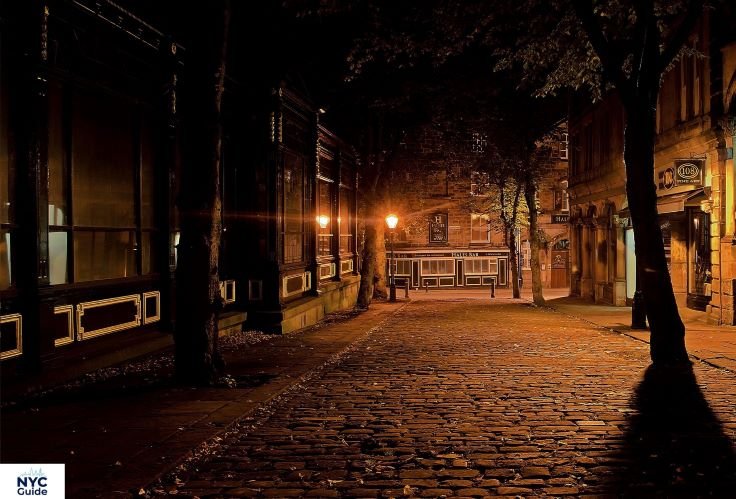
The areas that genuinely stay active through the night are specific: Times Square, Hell’s Kitchen, the East Village, Midtown bar districts, and parts of Brooklyn like Williamsburg and Bushwick. Outside of these zones, New York is a normal city that sleeps like other cities just with more background noise.
The takeaway: New York has a higher density of 24/7 activity than almost any other city, but it is not uniformly awake. The sleepless reputation applies most to specific neighborhoods and industries, not every street corner.
Interesting Facts About “The City That Never Sleeps”
- New York City is one of only a handful of major cities in the world with a 24-hour subway system. Tokyo, London, and Paris all shut their metro systems down at night.
- The phrase appears in over 200 films and television shows, making it one of the most referenced city nicknames in pop culture history.
- Times Square was once considered one of the most dangerous areas in New York. Its transformation into a family-friendly tourist hub happened largely in the 1990s and is considered one of the great urban turnarounds in modern history.
- New York has more restaurants per square mile than any other American city, with tens of thousands of dining options, many of which serve food late into the night.
- The New York Stock Exchange handles trillions of dollars in trades every single business day, giving Wall Street an economic energy that is felt across the entire globe.
FAQs About New York: The City That Never Sleeps
New York earned this nickname because of its genuinely 24/7 lifestyle. The subway runs all night, restaurants and bars stay open until the early morning hours, and the city’s economy, culture, and nightlife create constant activity at every hour.
Yes and no. Specific neighborhoods like Times Square, the East Village, and Williamsburg remain lively through the night. Other areas, particularly residential neighborhoods, get quiet after midnight. The city is more active at night than almost any other city, but it is not uniformly awake.
Times Square, Hell’s Kitchen, the East Village, Williamsburg in Brooklyn, and the Meatpacking District are consistently among the busiest areas in New York at night.
New York City is significantly safer today than it was in the 1970s and 1980s. Tourist areas like Times Square are heavily patrolled and generally safe. As with any major city, you should stay aware of your surroundings, avoid poorly lit side streets late at night, and keep valuables secured.
The options are genuinely endless. You can see a Broadway show, visit the Empire State Building observation deck, walk across the Brooklyn Bridge, explore late-night food markets, visit rooftop bars, take a night tour, or simply walk through Times Square and absorb the energy. NYC 24/7 activities are varied enough to suit every kind of traveler.
Final Thoughts: The Energy of New York City
New York: the city that never sleeps is not just a catchy phrase. It is a real, lived, breathing description of a place that operates on its own terms, at its own pace, around the clock. The city’s nightlife, transportation, economy, diversity, and culture all combine to create something genuinely unique in the world.
Whether you visit for a weekend or spend years living here, New York leaves a mark. The lights, the sounds, the people rushing past you at midnight with somewhere important to be it all adds up to an energy you cannot find anywhere else.
If you are planning a trip, do not just see New York during the day. Stay up late at least one night. Walk through Times Square at 1 AM. Grab a slice of pizza from a 24-hour shop. Take the subway somewhere new just because you can. That is when you will truly understand why the whole world knows this city by the name it has earned the city that never sleeps.