
Planning a trip to New York City for the first time can feel overwhelming. The city is massive, loud, and packed with things to do and it’s hard to know where to start. With so many neighborhoods, attractions, and options, most first-timers end up either overpacking their schedule or missing the best parts entirely.
That’s exactly why this guide exists. I’ve visited NYC multiple times over the years, and each trip taught me something new about how to experience it better. Whether you’re planning a quick weekend or a full week, this New York City travel guide will help you plan smarter, spend wisely, and enjoy more.
By the end of this article, you’ll know exactly when to visit, where to stay, what to eat, and how to get around. Let’s get into it.
Why Plan a Trip to New York City?
What Makes NYC Unique
New York City is unlike anywhere else on Earth. It’s a place where a corner bodega sits next to a Michelin-starred restaurant, where subway performers compete with Broadway stars, and where every block tells a different story. The energy is relentless in the best possible way.
The city is made up of five boroughs Manhattan, Brooklyn, Queens, the Bronx, and Staten Island but most first-time visitors focus on Manhattan and Brooklyn, which is a solid starting point.
Iconic Skyline and Culture
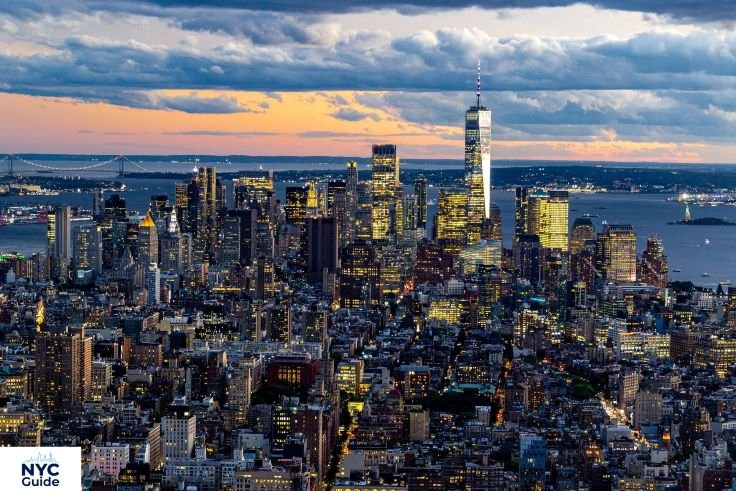
The skyline alone is worth the trip. Standing on the Brooklyn Bridge at dusk and watching the lights of Midtown Manhattan come alive is a moment that stays with you. Then there’s the cultural depth: world-class museums, live theatre on Broadway, food from every corner of the planet, and neighborhoods that each feel like their own city within a city.
Is NYC Worth Visiting?
Absolutely, yes but it rewards people who plan ahead. NYC is expensive, fast-moving, and dense. Going in without a plan means spending half your trip figuring out logistics. Go in prepared, and it becomes one of the most rewarding travel experiences you’ll ever have.
Best Time to Visit New York City
Best Months to Visit
The best months to visit New York City are April, May, September, and October. Spring and fall offer comfortable temperatures, fewer extreme weather days, and the city feels alive without being as brutally crowded as peak summer.
Weather by Season
Spring (March–May) brings mild temperatures between 50–65°F. Central Park blooms, outdoor dining picks up, and the city feels refreshed after winter. It’s one of my favorite times to visit.
Summer (June–August) is hot and humid, often reaching 90°F or above. It’s peak tourist season, which means longer lines, higher hotel prices, and packed subway cars. That said, there are free outdoor concerts, movies in the park, and the energy is electric.
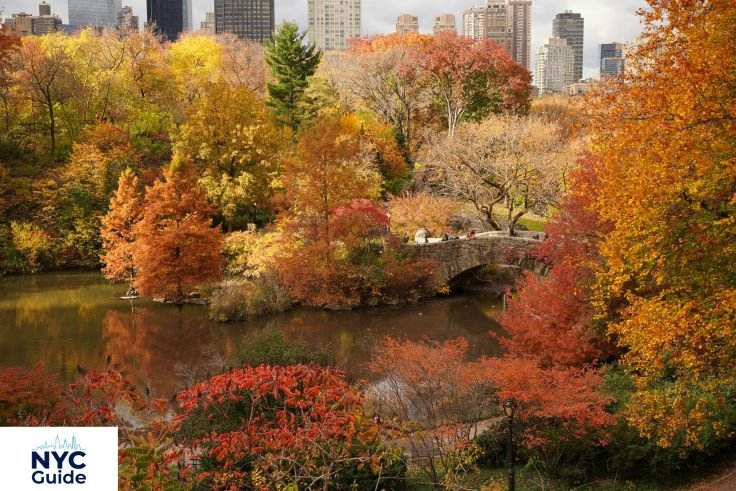
Fall (September–November) is arguably the best season. Temperatures cool to a pleasant 55–70°F, the leaves in Central Park turn golden, and the crowds thin slightly after Labor Day.
Winter (December–February) is cold, often dropping below freezing. But the holiday season transforms the city ice skating at Rockefeller Center, holiday markets, and the famous Times Square ball drop on New Year’s Eve make it magical for those who can handle the chill.
Peak vs Off-Season
Peak season runs from June through August and around the winter holidays. Hotel prices spike during these periods. If budget is a concern, late January through March (excluding President’s Week) offers the lowest hotel rates and smallest crowds, though you’ll be trading warmth for savings.
Festivals and Events
The NYC Marathon in early November draws runners and spectators from around the world. The Tribeca Film Festival happens in spring. The US Open tennis championship takes place in late August and early September in Queens. And of course, the Macy’s Thanksgiving Day Parade is a bucket-list experience for many families.
How to Plan Your Trip to New York City
How Many Days Do You Need?
Most first-timers need at least 4–5 days to cover the main highlights without feeling rushed. A long weekend (3 days) is enough to hit the iconic landmarks and a few neighborhoods. Seven days gives you breathing room to explore outer boroughs and slow down.
If someone asks me how many days do you need in NYC, my honest answer is: more than you think, because you’ll always want one more day.

Budget Planning Tips
New York City is one of the most expensive cities in the world, but it’s very manageable with smart planning. Here’s a rough daily budget breakdown:
Budget traveler: $100–$150/day (hostel or budget hotel, eating at delis and pizza spots, free attractions) Mid-range traveler: $200–$350/day (3-star hotel, mix of restaurants, paid attractions) Luxury traveler: $500+/day (boutique or 5-star hotels, fine dining, premium experiences)
Travel Documents and Basics
US citizens don’t need a passport for domestic travel, but international visitors should check visa requirements well in advance. Most travelers from Europe, Australia, Canada, and several other countries can use the ESTA (Electronic System for Travel Authorization) for visa-free entry. Apply online before you fly.
How to Save Money
Buy a 7-day unlimited MetroCard for subway and bus travel it pays for itself quickly. Visit free attractions like the Staten Island Ferry (great views of the Statue of Liberty), the High Line, and most of Central Park. Book hotels in advance for better rates. Eat lunch at Michelin-recommended spots rather than dinner; many top restaurants offer affordable lunch menus.
Where to Stay in New York City
Best Areas to Stay
Midtown Manhattan is the most convenient area for first-timers. You’re walking distance from Times Square, the Empire State Building, and Grand Central Terminal. Hotels here range from budget chains to luxury towers. The downside is that Midtown can feel touristy and generic.
Upper West Side is a great choice for families. It’s quieter, close to Central Park, and has the American Museum of Natural History nearby. The neighborhood has a real local feel.
Financial District (FiDi) is ideal if you want to be close to the Statue of Liberty ferry and 9/11 Memorial. It’s quieter on weekends since many workers leave the area, which can actually be a plus for tourists.
SoHo puts you in the heart of great shopping, cobblestone streets, and excellent restaurants. It’s trendy and walkable, with easy subway access to most of Manhattan.
Williamsburg, Brooklyn is the pick for travelers who want something hipper and more local. Hotels are often cheaper than Manhattan, and the neighborhood has great bars, food markets, and art spots. The L train takes you into Manhattan in about 15 minutes.

Types of Accommodation
Luxury hotels like The Plaza, The Beekman, and 1 Hotel Central Park offer world-class service and stunning locations. Boutique stays in neighborhoods like the West Village or Gramercy give a more personal, stylish experience. Budget hotels from chains like Pod Hotels or CitizenM offer compact but well-designed rooms at lower price points. For families, extended-stay apartments booked through platforms like VRBO offer more space and kitchen access.
Best Things to Do on Your Trip to New York City
The Most Iconic Sights
Statue of Liberty: No trip to NYC is complete without it. Take the ferry from Battery Park in Lower Manhattan. Book tickets in advance, especially if you want to go up into the crown (those slots sell out weeks ahead). The pedestal and grounds access is included in the standard ferry ticket.

National September 11 Memorial and Museum: This is a deeply moving experience. The memorial pools stand where the Twin Towers once did, and the underground museum tells the story of that day in powerful, respectful detail. Tickets cost around $30 for adults. Plan at least two hours here.
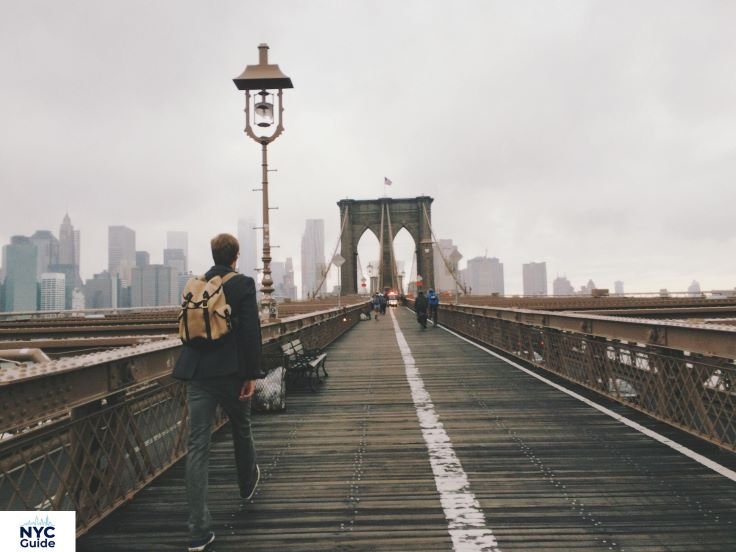
Brooklyn Bridge: Walk across it. I’m serious don’t just photograph it from afar. The walk from Manhattan to Brooklyn takes about 30–40 minutes and gives you stunning views of the skyline. Go early morning to avoid crowds and get better photos.
Times Square: It’s chaotic, loud, and overwhelming in the best way. Visit at night when the lights are at their most dramatic. Don’t feel like you need to spend money there; just walking through is the experience.
Empire State Building:The observation deck on the 86th floor offers 360-degree views of the city. Tickets start around $44 for adults. Book online to skip the line. On a clear day, you can see for miles.
Top of the Rock: The observation deck at 30 Rockefeller Plaza offers something the Empire State Building can’t: a clear view of the Empire State Building itself. Many visitors say it’s actually the better observation experience.
Parks and Outdoor Experiences
Central Park is 843 acres of green in the middle of Manhattan. Rent a bike, take a rowboat on the lake, watch a free Shakespeare in the Park performance in summer, or simply sit on the Great Lawn. It’s one of the world’s great urban parks and completely free to enjoy.
The High Line is a former elevated railway track transformed into a beautiful linear park on Manhattan’s West Side. It runs about 1.5 miles from the Meatpacking District up to Hudson Yards. It’s free, well-designed, and offers great views of the Hudson River and the city.
Brooklyn Botanic Garden is a quieter escape, especially lovely during cherry blossom season in April. Admission is around $20 for adults.
Museums and Culture
Museum of Modern Art (MoMA) houses some of the world’s most important modern and contemporary art, including Van Gogh’s Starry Night. Admission is $30 for adults. Free on Friday evenings after 5:30 PM.
The Metropolitan Museum of Art (the Met) is one of the largest museums in the world. You could spend an entire day and barely scratch the surface. Suggested admission is $30 for adults but is technically pay-what-you-wish for NY state residents. Plan at least 3–4 hours.
Broadway Shows are a non-negotiable part of any New York City travel itinerary. Tickets range from $60 for rush seats to $300+ for premium spots. The TKTS booth in Times Square offers day-of tickets at up to 50% off. We grabbed last-minute Lion King tickets there once for a fraction of the original price.
Live Sports: If you’re visiting during sports season, catching a game at Madison Square Garden (Knicks or Rangers) or Yankee Stadium is a quintessential NYC experience.
Best Views of NYC
Observation decks at the Empire State Building, Top of the Rock, and One World Observatory (in Lower Manhattan) each offer a distinct perspective. Rooftop bars like 230 Fifth, Westlight in Brooklyn, and The Press Lounge give you skyline views with a drink in hand. And a sunset cruise on the Hudson River is something truly special several operators offer 90-minute sightseeing cruises for around $40–$60 per person.
Suggested Itineraries for Your Trip
3 Days in New York City
Day 1: Midtown Landmarks Start your morning at the Empire State Building before the crowds hit. Walk to Grand Central Terminal for the architecture and the famous whispering gallery. Head to Times Square for lunch and photos. Spend the afternoon at MoMA. In the evening, catch a Broadway show.
Day 2: Brooklyn and Lower Manhattan Take the subway to Brooklyn and walk back across the Brooklyn Bridge into Manhattan. Visit the 9/11 Memorial and Museum. Take the Staten Island Ferry for free views of the Statue of Liberty. End your day exploring the streets of the Financial District and grab dinner at a classic Lower Manhattan spot.
Day 3: Culture and Neighborhoods Spend the morning in Central Park. Head to the Upper East Side to visit the Met. In the afternoon, walk the High Line and explore Chelsea. End the evening with dinner and drinks in the West Village one of the most charming neighborhoods in the city.
48 Hours in NYC
Day 1: Top Landmarks Morning at Central Park, afternoon at Times Square and Top of the Rock, evening on Broadway.
Day 2: Museums and Fifth Avenue Morning at MoMA or the Met, afternoon walking Fifth Avenue and shopping in SoHo, evening dinner in the West Village or East Village.
Best Neighborhoods to Explore
West Village and Greenwich Village are among the most charming parts of the city. Cobblestone streets, independent bookstores, small cafes, and some of NYC’s best restaurants are packed into these few blocks. It’s the kind of place you wander without a plan and discover something wonderful.
SoHo (South of Houston Street) is known for its cast-iron architecture, high-end boutiques, and gallery spaces. It’s great for shopping and people-watching, though it can get crowded on weekends.
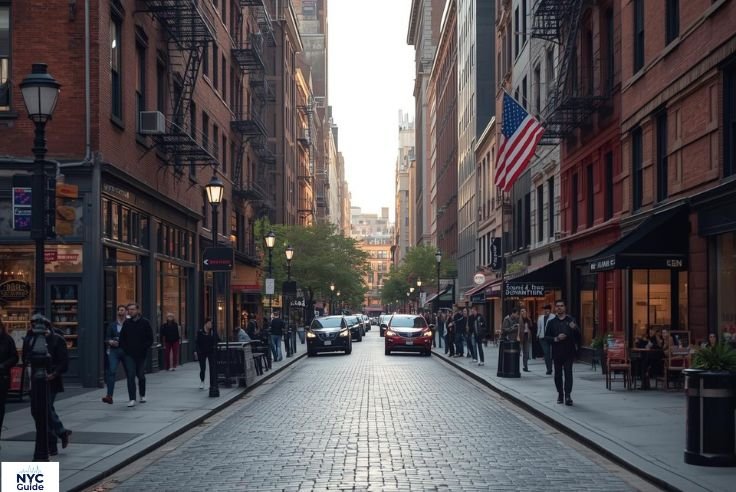
East Village has more of an edge live music venues, vintage shops, international food options, and a mix of longtime residents and young newcomers. It’s more affordable than the West Village and has great energy.
Meatpacking District was once an industrial area and is now home to trendy clubs, fashion boutiques, and the Whitney Museum of American Art. The High Line starts here.
Financial District surprises many visitors with its history and architecture. Wall Street, the Charging Bull statue, and the stunning Oculus transit hub are all here.
Williamsburg, Brooklyn is the epicenter of Brooklyn cool. Vintage shops, art galleries, rooftop bars, food markets, and incredible views of the Manhattan skyline across the East River. It’s become more expensive over the years but still feels more relaxed than Manhattan.
What to Eat in New York City
Iconic NYC Foods
Bagels: A New York bagel is in a category of its own. The water, the technique, the tradition. Try Ess-a-Bagel, Russ and Daughters, or any neighborhood bagel shop on the Upper West Side. Get a classic lox and cream cheese.
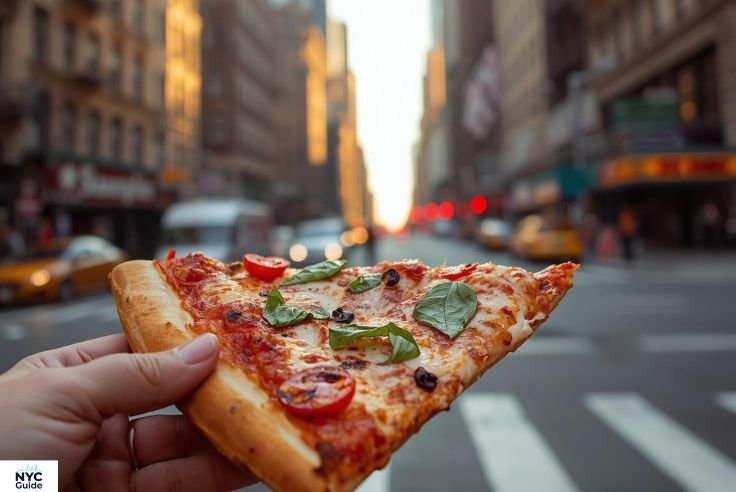
Pizza slice: New York pizza is a religion. A proper thin-crust, foldable slice from a street counter is under $4 and is one of the great cheap eats of the world. Joe’s Pizza in the West Village is legendary. But honestly, a random corner pizza place will rarely disappoint.
Hot dogs: A street cart hot dog near Central Park is more of a cultural experience than a culinary one, but it’s worth doing once.
Burgers: Shake Shack started in Madison Square Park. J.G. Melon and Corner Bistro are classic spots. The city takes its burgers seriously.
Oysters: NYC has a great oyster bar tradition. Grand Central Oyster Bar is a must-visit for its atmosphere alone. Happy hour oyster deals across the city make them surprisingly affordable.
Dining Experiences
Old-school diners like Lexington Candy Shop or Eisenberg’s Sandwich Shop are time capsules worth a visit. NYC brunch is its own sport expect waits at popular spots on weekends. Michelin-starred restaurants like Eleven Madison Park, Per Se, and Le Bernardin represent the pinnacle of NYC dining, but book months in advance. Rooftop dining at places like 230 Fifth or Westlight offer food alongside that famous skyline view.
Bars, Nightlife, and Entertainment
NYC nightlife runs from classic to cutting-edge. Classic cocktail bars like Bemelmans Bar at the Carlyle Hotel have been serving elegant drinks for decades. PDT (Please Don’t Tell), a speakeasy accessed through a phone booth in a hot dog restaurant in the East Village, is one of the city’s most unique bar experiences.
Dive bars are part of the city’s soul. Rudy’s Bar in Hell’s Kitchen has been serving cheap pitchers and free hot dogs since 1933. McSorley’s Old Ale House, founded in 1854, is the oldest Irish bar in New York.

Rooftop bars are everywhere, but not all are equal. The Press Lounge in Hell’s Kitchen and 230 Fifth in the Flatiron District are among the best for views and atmosphere.
Broadway is the crown jewel of NYC entertainment. Even if you’ve seen a show before, experiencing it in this city feels different. The Theatre District is centered around Times Square, with 41 official Broadway theaters. Beyond Broadway, off-Broadway shows and live comedy clubs (like Carolines on Broadway or the Comedy Cellar in the Village) round out a full entertainment calendar.
Getting Around New York City
Subway System
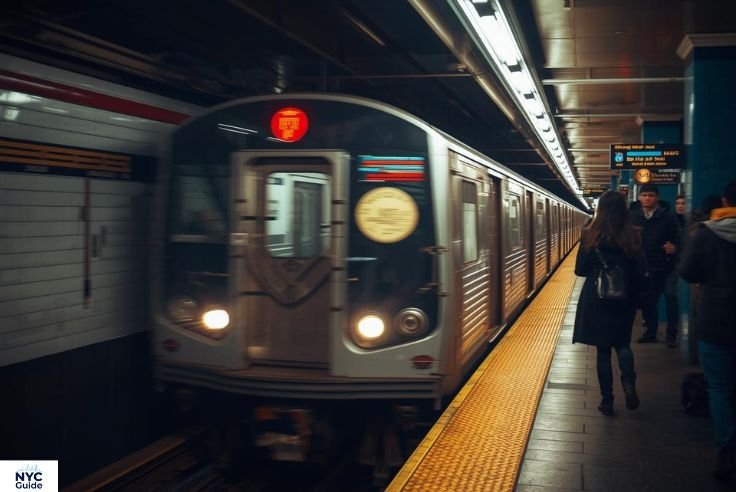
The NYC subway runs 24 hours a day, 7 days a week something very few cities in the world can claim. It covers all five boroughs and is by far the fastest and cheapest way to get around. A single ride costs $2.90. Buy a 7-day unlimited MetroCard ($34) if you’re staying for a week you’ll use it constantly.
One thing I wish someone had told me: check the MTA website or Google Maps for service alerts before heading out. Weekend and late-night service can be disrupted by maintenance work.
Walking
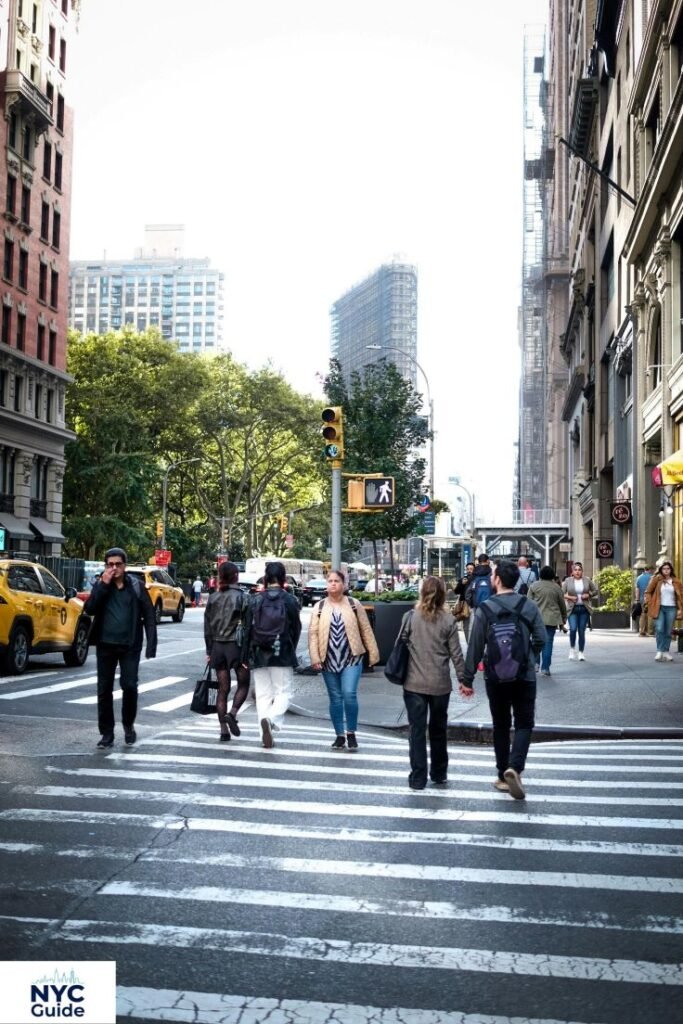
Manhattan is more walkable than most people expect. The grid system makes navigation simple. Walking between Midtown and the Village, or from Central Park down to Times Square, takes 20–30 minutes and lets you absorb the street-level energy of the city far better than any subway ride.
Taxis and Rideshare
Yellow cabs are iconic but not always the fastest. Uber and Lyft are widely available. Surge pricing can hit hard during rush hour or bad weather. For airport runs, a flat-rate yellow cab from JFK to Manhattan costs around $70 (plus tip), while an Uber or Lyft varies considerably based on traffic.
Airport Transfers
JFK is the main international airport, about 45–60 minutes from Midtown by the AirTrain and subway combo (around $8–$10 total). Newark (EWR) is in New Jersey and takes 45–60 minutes by NJ Transit train. LaGuardia (LGA) is closest to Midtown but has no direct rail link, making it taxi or rideshare dependent budget 30–60 minutes depending on traffic.
Travel Tips and Cultural Insights
Local Customs
New Yorkers are not rude they’re efficient. They walk fast, they don’t dawdle in doorways, and they don’t make eye contact on the subway. This is not unfriendliness; it’s just the rhythm of a high-density city. If you stop suddenly on a busy sidewalk to check your phone, you will be silently judged. Step to the side.
Safety Tips
NYC is significantly safer than its reputation from the 1980s and 90s suggests. Still, use common sense: keep your phone in your pocket in crowded areas, stay aware of your surroundings on the subway late at night, and avoid waving around large amounts of cash. Tourist areas like Times Square and Midtown are heavily policed.
Tipping Culture
Tipping in NYC is non-negotiable at restaurants. Typically, the standard tip is 18–20% of the bill before tax. Many payment terminals now auto-suggest tips between 20–25%. Taxi drivers generally expect a tip of around 15–20%. For hotel housekeeping, leaving $2–$5 per night is considered thoughtful. At coffee shops, tipping a dollar or two for baristas is appreciated but not required.
Saving Money Strategies
Take the subway everywhere. Eat breakfast at a corner deli (the bacon, egg, and cheese sandwich is a NYC institution for under $5). Visit MoMA on Friday evenings when it’s free. Use the TKTS booth for Broadway discounts. Walk across the Brooklyn Bridge instead of taking a tour. The Staten Island Ferry is free and gives you a great view of the Statue of Liberty and Lower Manhattan. Many of NYC’s best experiences cost nothing at all.
Explore Beyond New York City
If you have extra time, a few nearby destinations are absolutely worth a day trip or overnight.
Hudson Valley is about 1–2 hours north of the city by train. Small towns like Cold Spring and Beacon (home to the excellent Dia:Beacon art museum) offer a complete change of pace. The landscape along the Hudson River is stunning, especially in fall.

Long Island stretches east from Queens and Brooklyn. The Hamptons are world-famous for summer beach culture (and wealth). Further east, Montauk is more laid-back and has great surfing and seafood. Accessible by the Long Island Rail Road from Penn Station.
Finger Lakes in upstate New York is a longer journey (about 5–6 hours by car or bus), but the wine country, gorges, and waterfalls around Ithaca and Seneca Lake make it a rewarding extension for those with a week or more to spare.
Final Thoughts
A trip to New York City is one of those experiences that changes how you see the world at least a little bit. It’s chaotic and beautiful and exhausting and thrilling all at once. The key to enjoying it is to plan enough that you don’t waste time on logistics, but leave enough space to wander, stumble onto a street fair, follow a jazz sound down an alley, or sit in Central Park and just watch the city breathe.
Come with comfortable shoes, a MetroCard, and an open mind. New York will do the rest.
Frequently Asked Questions
How many days do you need in New York City?
A minimum of 3–4 days covers the main highlights. Five to seven days allows you to explore neighborhoods, museums, and outer boroughs at a relaxed pace.
What is the best time to visit New York City?
April–May and September–October offer the best combination of comfortable weather, manageable crowds, and vibrant city energy.
Is New York City expensive to visit?
Yes, but it’s manageable. Budget travelers can get by on $100–$150 per day by using the subway, eating at delis and street food spots, and prioritizing free attractions.
Is NYC safe for tourists?
Generally, yes. The city is much safer than its old reputation suggests. Standard urban travel awareness applies stay alert, keep valuables secured, and you’ll be fine.
What should I pack for a trip to NYC?
Comfortable walking shoes are essential. Dress in layers for spring and fall. Bring a reusable bag for shopping and a portable charger for your phone.