
New York City has hundreds of things to do, but for first-time visitors, the real challenge isn’t finding attractions; it’s knowing which ones genuinely deserve a spot on your itinerary. This guide covers the 10 best tourist attractions in NYC with honest verdicts, current prices, insider tips, and everything you need to plan smarter.
The top tourist attractions in New York City include Central Park, the Statue of Liberty, the Empire State Building, the Metropolitan Museum of Art, and the Brooklyn Bridge. For first-time visitors, the best strategy is to mix free iconic landmarks with one world-class museum and one observation deck. Book paid attractions in advance; popular spots sell out weeks ahead.
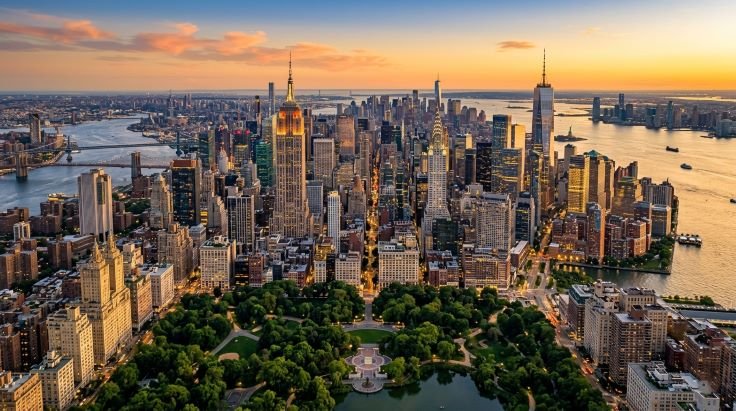
Why NYC Is Overwhelming (And How to Fix That)
There’s a reason so many first-time visitors leave New York feeling like they barely scratched the surface. The city has 170+ museums, five major boroughs, and more “must-see” lists than anywhere else on earth. The problem isn’t a lack of options; it’s the paralysis that comes with too many of them.
This guide cuts through that noise. The 10 attractions below were selected based on genuine visitor value: iconic status, experience quality, accessibility, and honest bang-for-your-buck. For each one, you’ll get current admission prices, the best time to visit, a frank local’s verdict, and who it’s actually best suited for.
One key planning tip before you dive in: group attractions by neighborhood. NYC transit is excellent, but crisscrossing the city burns hours. The day-by-day groupings at the end of this article will help you see more with less time wasted on the subway.
The Top 10 Tourist Attractions in New York City
1. Central Park The City’s Greatest Free Attraction
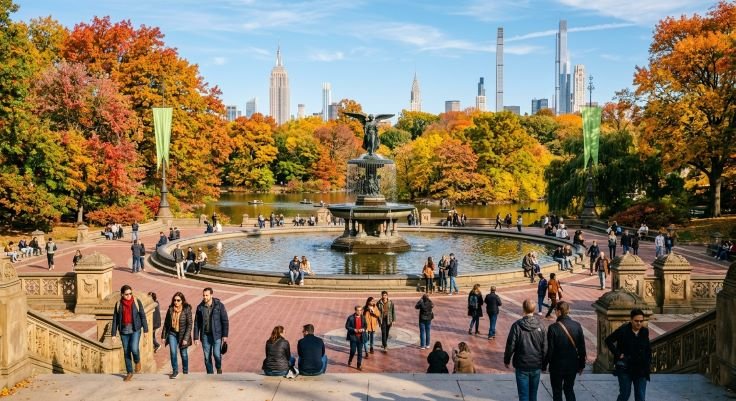
The short answer: Central Park is the single best free thing you can do in New York City. Full stop.
At 843 acres stretching through the heart of Manhattan, Central Park is bigger than Monaco. It’s where the city exhales: joggers, street musicians, rowboats on the lake, and views of the skyline peeking above the treeline. You could spend an entire day here and not see everything.
What to do inside the park:
- Bethesda Fountain and Terrace (the park’s most photographed spot)
- Sheep Meadow (perfect for a picnic and skyline gazing)
- Strawberry Fields (the John Lennon memorial in the west side)
- Belvedere Castle (free, with great elevated views over the Turtle Pond)
- The Ramble (a woodland maze beloved by birdwatchers)
- Wollman Rink (ice skating in winter; open through April)
Insider tip: Rent a Citi Bike at one of the park entrances and cycle the loop. It’s the fastest way to cover the full park and is far more fun than walking the perimeter.
- Cost: Free
- Best time to visit: Early morning on weekdays, or any weekend morning before noon
- Best for: Families, couples, budget travelers, anyone needing a breather from the city
2. Statue of Liberty & Ellis Island More Than Just a Photo
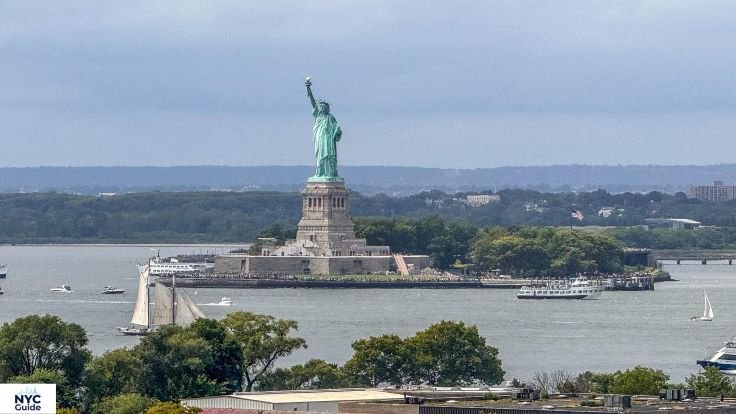
The short answer: The Statue of Liberty is an experience that earns its effort, but only if you plan it correctly.
The Statue of Liberty is one of the most recognized landmarks on the planet, and seeing it up close from the ferry is genuinely moving in a way that photos don’t capture. What most visitors don’t realize is that the experience has several tiers, and choosing the wrong one leads to disappointment.
The tiers explained:
- Grounds access: Walk around the island, visit the Statue of Liberty Museum, and see the statue from the base. Included with the ferry ticket.
- Pedestal access: Climb to the pedestal for closer views of the statue’s face and crown. Requires timed reservation; books out weeks ahead.
- Crown access: Climb 354 steps to the crown for iconic views. Only 10 visitors per climb; books out months in advance.
Ellis Island is included in the same ferry ticket. The immigration museum there is genuinely excellent, particularly powerful for international visitors and anyone tracing American family history.
Insider tip: Book the first morning ferry of the day (usually 9 a.m.) and head to Ellis Island first while most visitors go straight to Liberty Island. You’ll have the museum largely to yourself. The Staten Island Ferry, while free, only passes the statue from a distance; it’s a great budget option for a photo, but not a substitute for landing.
- Cost: Ferry + grounds from ~$24 adult; pedestal access ~$24; crown access ~$24 (all require advance booking at nps.gov)
- Best time to visit: First ferry, Tuesday–Thursday
- Best for: History lovers, international visitors, families, anyone visiting for the first time
3. Empire State Building The World’s Most Famous Skyline View
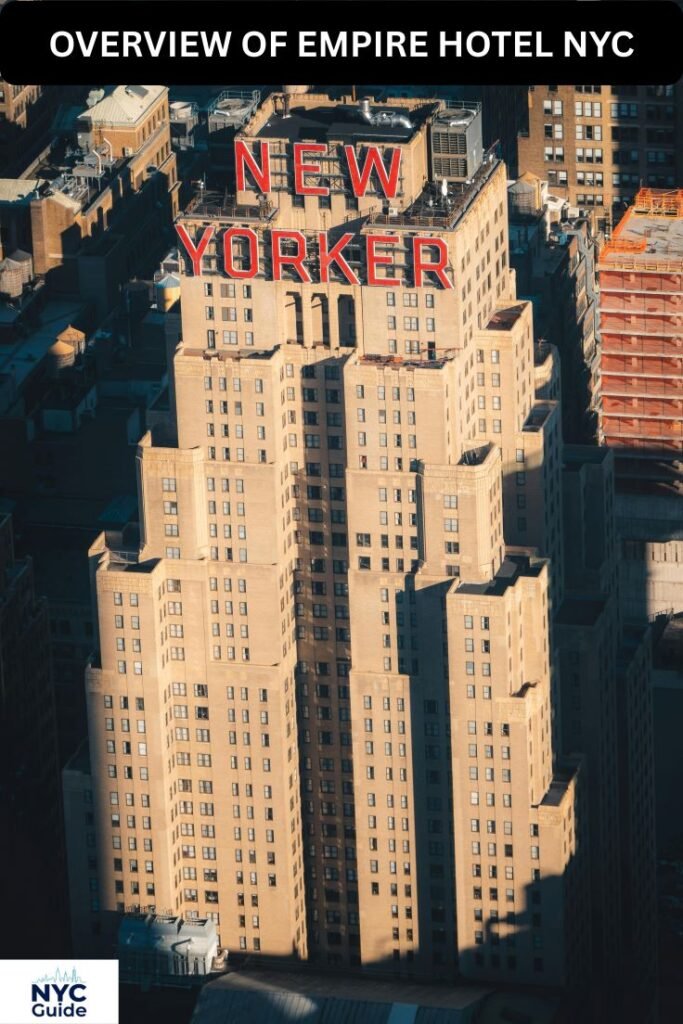
The short answer: The Empire State Building is legitimately iconic, and the 86th-floor open-air observatory is one of the best experiences in the city.
Rising 1,454 feet from the ground to its antenna, the Empire State Building has starred in more films and photographs than almost any structure on earth. Tripadvisor’s 2026 Travelers’ Choice Awards ranked it among the top attractions in the United States, and for good reason. The 86th-floor open-air observatory gives you 360° views of Midtown Manhattan with the wind in your face and no glass panels between you and the skyline.
What makes it worth it:
- The 86th-floor outdoor deck is genuinely thrilling, not just a window view.
- At night, the colored tower lights change for seasons and causes; the view at dusk is magical.
- The building itself has historical exhibits worth a few minutes.
Honest verdict on the 102nd floor: Independent travel experts widely agree that the 102nd floor upgrade isn’t worth the additional cost for most visitors; the views are only marginally higher, and the space is smaller. Spend your extra budget elsewhere.
Insider tip: Buy tickets online in advance (saves time and often money). Go at sunset; you catch the golden-hour Midtown glow and then stay for the lights to come on. Two experiences in one visit.
- Cost: ~$44+ adult (86th floor); arrive with timed-entry ticket to skip the main queue
- Best time to visit: 30–45 minutes before sunset
- Best for: First-timers, couples, iconic photo seekers, night owls
4. Metropolitan Museum of Art Five Thousand Years Under One Roof
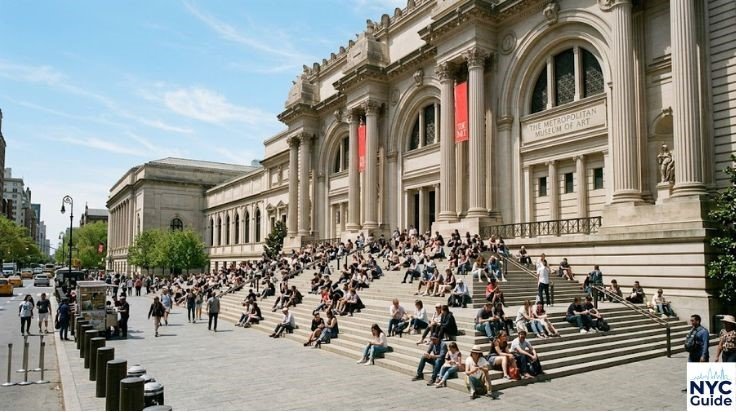
The short answer: The Met is the kind of museum that makes you realize one visit will never be enough.
The Metropolitan Museum of Art is one of the largest and most visited museums in the world, housing over two million works spanning more than 5,000 years of human civilization. Whether you care about ancient Egypt, European painting, Japanese armor, or contemporary photography, there’s a wing here that will stop you in your tracks.
Don’t miss:
- The Egyptian Wing, including the Temple of Dendur (an actual ancient Egyptian temple, relocated here in 1965)
- The European Paintings galleries (Vermeer, Rembrandt, Monet)
- Arms and Armor spectacular and free within admission; kids love it
- The Rooftop Garden (seasonal, May–October): free with admission and has stunning Central Park views
- The American Wing Court
Insider tip: NYC residents pay what they wish, a well-known policy that applies to any New York State resident with ID. Out-of-towners pay $30 for adults. Arrive when the museum opens (10 a.m.); weekend afternoons are packed. The audio guide app is free and excellent.
- Cost: $30 adult; $22 seniors; under 12 free (NYC and NY State residents: pay what you wish)
- Best time to visit: Weekday mornings, 10 a.m.–1 p.m.
- Best for: Culture lovers, families, art enthusiasts, rainy-day visitors
5. Brooklyn Bridge & DUMBO The Best Free Walk in New York
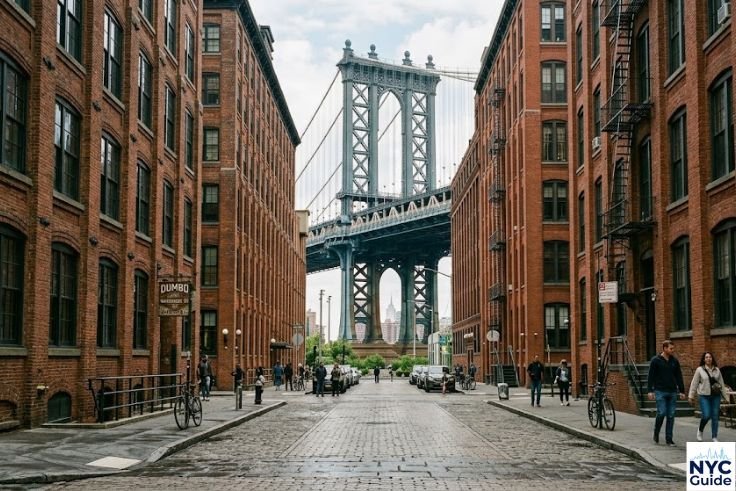
The short answer: Walking the Brooklyn Bridge is one of the most rewarding free experiences in New York, and DUMBO on the other side is one of the city’s best neighborhoods.
The Brooklyn Bridge is over 140 years old and still one of the most beautiful structures in the world. The 1.1-mile pedestrian walkway runs above the traffic lanes and delivers progressively better views of Lower Manhattan as you cross. By the time you reach the midpoint, you have an unobstructed panorama of the skyline, the East River, and the Manhattan Bridge alongside you.
On the Brooklyn side, the DUMBO neighborhood (Down Under the Manhattan Bridge Overpass) is worth at least an hour. The cobblestone streets frame a famous Instagram view of the Manhattan Bridge through Washington Street. Brooklyn Bridge Park below offers waterfront lawns, food vendors, and a carousel.
Insider tip: Cross from Manhattan to Brooklyn (west to east) in the morning; the sun will be behind you, and the Manhattan skyline will be lit in front of you. On the return, take the A/C subway from High Street–Brooklyn Bridge station back to Manhattan rather than walking back.
- Cost: Free
- Best time to visit: Early morning on weekdays (avoids the midday tourist foot traffic)
- Best for: Couples, photographers, budget travelers, walkers
6. 9/11 Memorial & Museum The Most Affecting Place in the City
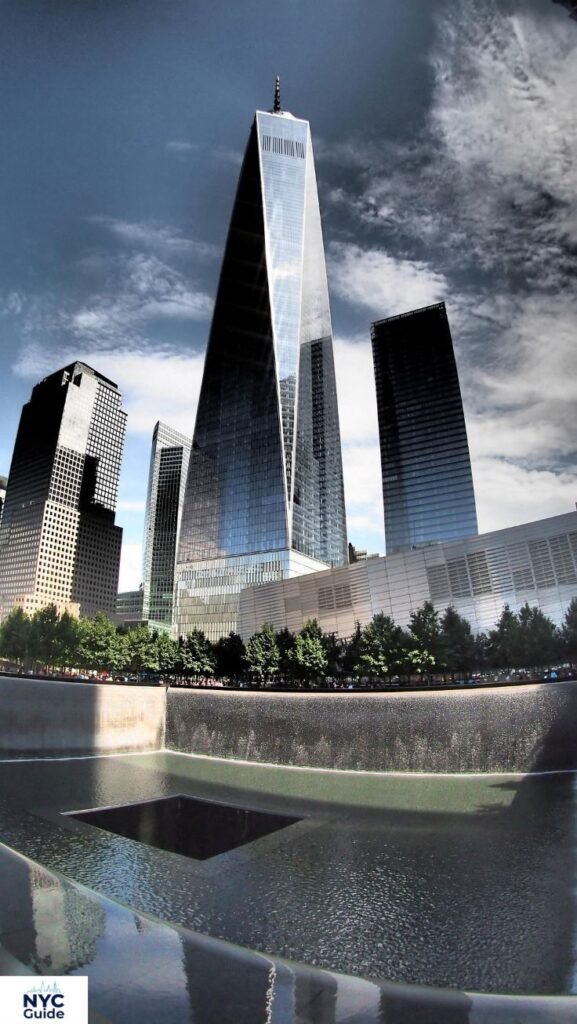
The short answer: The outdoor 9/11 Memorial is free, profoundly moving, and should be on every visitor’s list. The museum is exceptional but adds significant time and cost.
The National September 11 Memorial consists of two enormous reflecting pools set within the footprints of the Twin Towers, surrounded by bronze parapets inscribed with the names of the 2,983 people killed in the attacks. Simply standing at the pools is one of the most powerful experiences you can have in New York.
The museum below ground is a separate, ticketed experience, a 110,000-square-foot documentary of the day’s events, told through artifacts, recordings, and testimony. It is sobering and thorough, and requires at least two to three hours to experience properly.
Honest verdict: The outdoor memorial alone, which is free, is worth visiting even if you don’t enter the museum. Give it 30–45 minutes to simply stand, walk the perimeter, and pay your respects.
Insider tip: Arrive early. The memorial plaza can be crowded midday. The museum benefits from a morning visit when it’s quieter, and you have more space to absorb what’s there.
- Cost: Outdoor memorial: Free | Museum: ~$33 adult; children under 7 free
- Best time to visit: Morning, Tuesday–Thursday
- Best for: History-minded visitors, international travelers, anyone who lived through September 11
7. Top of the Rock Observation Deck The Best View for Photographers
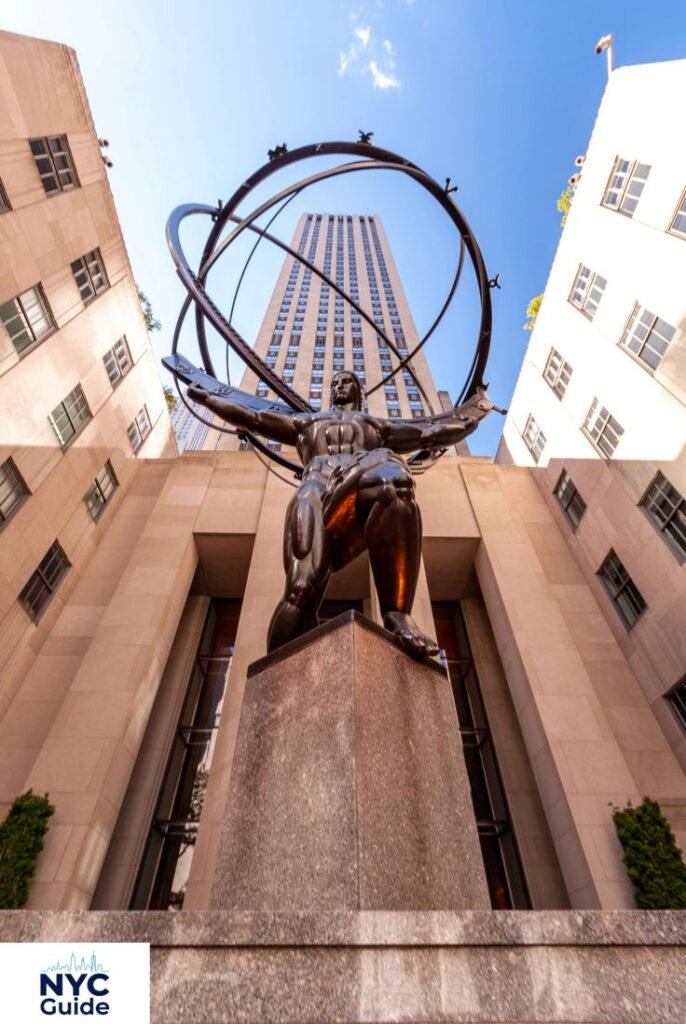
The short answer: Top of the Rock gives you the most photographically iconic view of New York City, and it’s the only major observation deck where you can capture the Empire State Building in your shot.
Perched on the 67th–70th floors of 30 Rockefeller Plaza, Top of the Rock is consistently rated by photographers and travel experts as the best all-round observation deck in NYC. The 70th-floor outdoor terrace has no glass panels, just open sky and a wire safety barrier, making it ideal for unobstructed photos. The view north includes the Empire State Building, Midtown Manhattan, and Central Park in the same frame. There’s nothing else in the city that gives you that shot.
As Timeout New York notes, the combination of open-air access and the Empire State Building centerpiece makes this the deck that professionals reach for first.
Insider tip: Book the sunset combination ticket that covers one evening visit and one return visit the following morning. You get two completely different looks at the city for the price of a single sunset admission (~$57–60). Top of the Rock also stays open until midnight, making it excellent for night photography.
- Cost: ~$48 general admission; ~$57–60 sunset ticket (includes return morning visit)
- Best time to visit: Sunset, or early morning (quieter, soft light)
- Best for: Photographers, first-timers, couples, anyone who wants ESB in their skyline photo
8. Times Square: Experience It, Then Move On
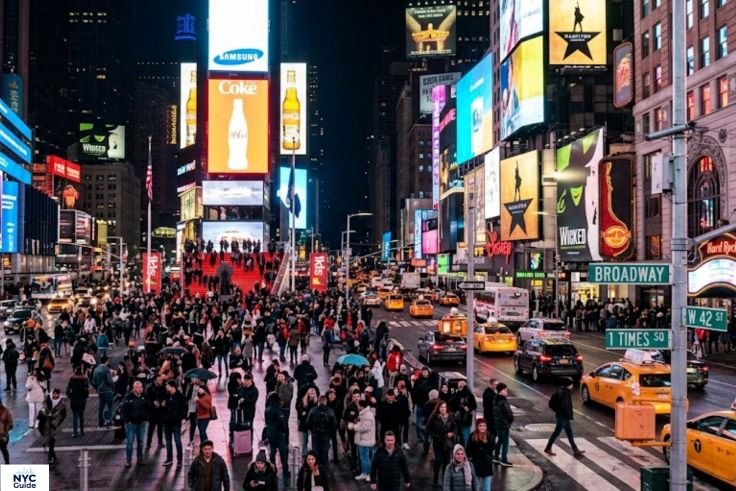
The short answer: Times Square is worth visiting, but for the experience, not for things to do there. Give it an evening hour, take it in, and keep moving.
Times Square is genuinely unlike anything else. At night, the density of illuminated signage, the noise, the crowd energy, and the sheer visual overload create something that cannot be replicated anywhere else in the world. It’s simultaneously chaotic, commercial, and undeniably electric.
What it isn’t: a place to linger for hours. The restaurants are mediocre and overpriced. The shops are chains. The costumed characters in the pedestrian plaza will expect tips for photos.
The honest local verdict: Most New Yorkers avoid Times Square. That doesn’t mean you should; it means you should experience it for what it is: a singular urban spectacle, best consumed in doses. Visit on a Tuesday or Wednesday evening to avoid weekend chaos. Walk through, look up at the lights, grab a photo, and head somewhere more interesting for dinner.
Insider tip: The best views of Times Square are actually from above the TKTS booth. Red steps at the south end of the pedestrian plaza give you a slightly elevated angle over the whole scene.
- Cost: Free
- Best time to visit: Weeknight evenings, after 8 p.m.
- Best for: First-timers, anyone visiting NYC for the first time (once is enough)
9. The High Line NYC’s Most Beautiful Outdoor Space
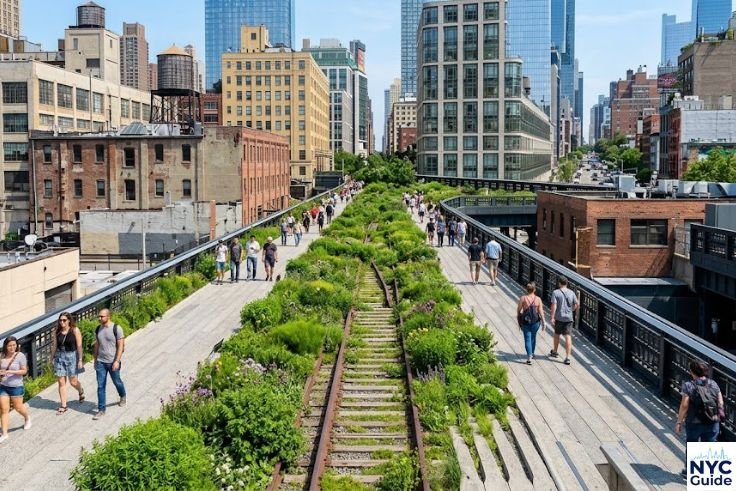
The short answer: The High Line is one of the most creative urban spaces in the world, a decommissioned elevated railway turned into a 1.45-mile public park, garden, and outdoor art gallery.
Running from Gansevoort Street in the Meatpacking District north to 34th Street at Hudson Yards, the High Line offers something you can’t find anywhere else in the city: elevated, car-free, linear green space with views over the Hudson River and access to rotating public art installations, native plant gardens, food vendors, and neighborhood overlooks.
It’s also a great connector. The southern entrance is steps from the Whitney Museum of American Art; the northern end opens directly into Hudson Yards, where you’ll find The Vessel (a climbable honeycomb structure) and The Shed (a major arts venue). The Edge observation deck is directly above.
Insider tip: Visit in spring or early summer when the native gardens are in full bloom; the planting is specifically designed to echo what naturally grew on the tracks before the park was built. Visit on a weekday morning to have it nearly to yourself.
- Cost: Free
- Best time to visit: Spring/summer mornings, weekdays
- Best for: Couples, art lovers, walkers, anyone who wants a break from museum fatigue
10. One World Observatory Highest Views, Best Harbor Perspective
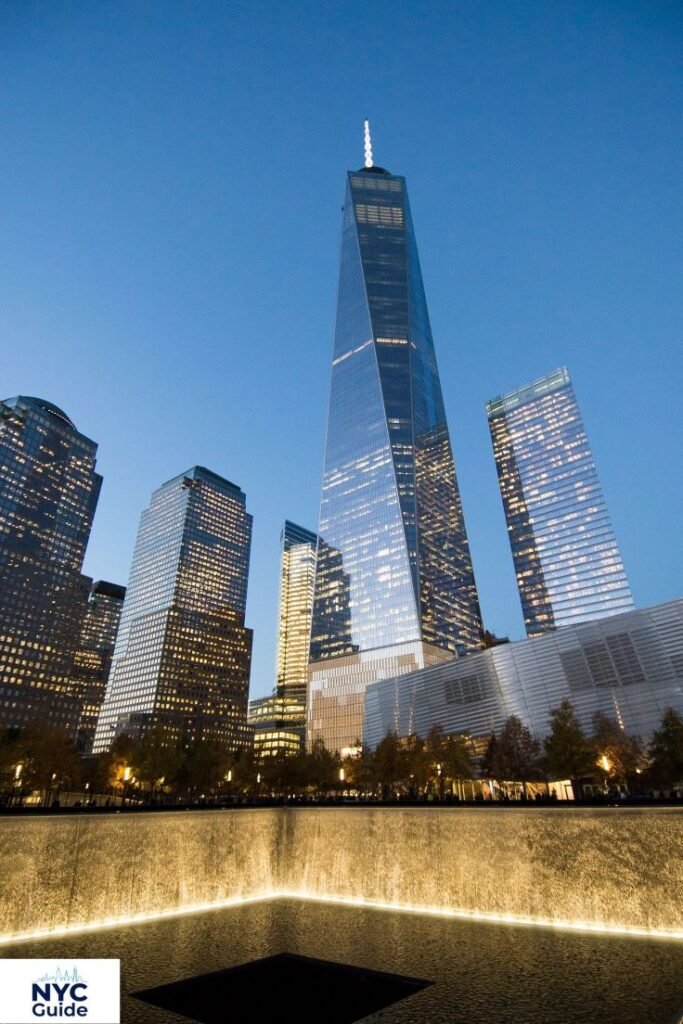
The short answer: One World Observatory is the highest observation deck in New York City and the only one that gives you a full view of the harbor, the Statue of Liberty, and all three downtown bridges at once.
Standing at 1,776 feet (intentionally referencing the year of American independence), One World Trade Center is the tallest building in the United States. The observatory occupies the 100th–102nd floors, and the elevator ride alone is worth talking about. It whisks visitors 102 stories in 47 seconds, one of the fastest elevators in the western hemisphere, while a time-lapse film of New York’s development plays on the walls around you.
Unlike Top of the Rock, One World Observatory is fully enclosed; there’s no open-air terrace. This makes it better for families with young children and for visits on cold or rainy days. The view south over New York Harbor with the Statue of Liberty, Governors Island, and the Verrazano-Narrows Bridge all visible on clear days is unique among all NYC observation decks.
Insider tip: One World Observatory has the best views on a clear winter day, when cold air creates exceptional visibility stretching all the way to the horizon. Book a morning slot on a clear weekday for the best experience.
- Cost: ~$46+ adult; children 5 and under free
- Best time to visit: Clear mornings, midweek
- Best for: Families, clear-day photography, visitors with an interest in 9/11 history
Which NYC Attractions Are Free?
Several of New York City’s most iconic experiences cost nothing at all. Free doesn’t mean second-tier here. Some of the best experiences in the city are completely free.
Always free:
- Central Park (full park, all year)
- Brooklyn Bridge walk
- The High Line
- Times Square (the experience itself)
- 9/11 Memorial outdoor reflecting pools
- Grand Central Terminal (architecture, dining concourse, lower level)
- Staten Island Ferry includes views of the Statue of Liberty from the water.
- Brooklyn Bridge Park
- The Oculus (World Trade Center transportation hub, extraordinary architecture)
- Governors Island Park (free ferry on weekends; island park free)
Pay-what-you-wish / reduced admission options:
- The Metropolitan Museum of Art: NYC and NY State residents pay what they wish; suggested $30 for others
- The Whitney Museum: free admission every Friday evening, 5–10 p.m. (advance reservation required)
- The Guggenheim: pay-what-you-wish select Monday and Saturday evenings from 4–5:30 p.m.
As Timeout New York reports, most NYC museums also offer free days targeted at local residents; checking ahead can significantly reduce the cost of a museum-heavy itinerary.
Best Observation Decks in NYC: Which One Should You Choose?
This is one of the most common questions first-time visitors ask, and the honest answer is that it depends on what you want from the experience. Here’s a direct comparison of all five major observation decks.
| Deck | Height | Open-Air? | Signature View | Adult Price (approx.) | Best For |
| Empire State Building (86F) | 1,050 ft | ✅ Yes | Midtown, all of Manhattan | ~$44 | Iconic status, history |
| Top of the Rock (70F) | 850 ft | ✅ Yes (no glass) | Empire State Building + Central Park | ~$48 | Photography, couples |
| One World Observatory (102F) | 1,268 ft | ❌ Enclosed | Harbor, Statue of Liberty, bridges | ~$46 | Families, harbor views |
| The Edge at Hudson Yards (100F) | 1,100 ft | ✅ Yes + glass floor | West Manhattan, Hudson River | ~$40 | Thrillseekers |
| SUMMIT One Vanderbilt | 1,401 ft | ✅ Some | Empire State Building close-up | ~$49 | Immersive experience |
Verdict by traveler type:
- Best all-round for first-timers: Top of the Rock, open-air, unobstructed, ESB in the frame, moderate crowds
- Most iconic: Empire State Building the history and the 86th-floor outdoor deck are unmatched for meaning.
- Best for families: One World Observatory enclosed, no wind or cold exposure, great elevator experience
- Best for thrillseekers: The Edge glass floor, outdoor deck, western Manhattan views
- Most immersive/unique: SUMMIT One Vanderbilt infinity mirrors, art installations, multi-sensory
If budget allows two observation decks, the classic combination is Top of the Rock (for the Midtown/ESB view) and One World Observatory (for the southern/harbor view) ; they complement each other perfectly.
How Many Days Do You Need in New York City?
Direct answer: Three days covers the must-see highlights; five days is the sweet spot for a first visit; seven or more days allows deeper neighborhood exploration.
| Trip Length | What You Can Cover |
| 3 days | Top 10 highlights, one museum, one observation deck, Brooklyn Bridge walk |
| 5 days | Everything above + Broadway show, day at Governors Island or Coney Island, second observation deck, deeper museum visit |
| 7+ days | Outer boroughs, food neighborhoods (Flushing, Chinatown, Williamsburg), multiple museums, concerts or sports |
How to Group Attractions by Neighborhood (Save Hours of Transit)
Day 1 Midtown Manhattan Times Square (morning or evening) → Top of the Rock → MoMA → Empire State Building at sunset
Day 2 Lower Manhattan & Brooklyn 9/11 Memorial → One World Observatory → Staten Island Ferry (free harbor views) → Brooklyn Bridge walk → DUMBO neighborhood
Day 3 Central Park & Upper East/West Side Central Park → The Met → Guggenheim or Frick Collection (optional)
Day 4 The High Line & Downtown Culture High Line (morning) → Whitney Museum → Chelsea Market → Greenwich Village food walk
Day 5 Statue of Liberty & Ellis Island Full day trip: first ferry out, Ellis Island first, Liberty Island afternoon
First-Timer Tips to Make the Most of NYC
Book everything paid in advance. The Empire State Building, Top of the Rock, Statue of Liberty crown, and SUMMIT One Vanderbilt all sell out sometimes weeks ahead. Don’t leave this to the day before.
Consider the CityPASS. According to NYC Tourism’s official attraction pass guide, the standard New York CityPASS covers five major attractions (including the Empire State Building and American Museum of Natural History) for $154 adult / $129 child and is valid for nine consecutive days. If you’re visiting three or more paid attractions, the math usually works in your favor.
Ride the subway. Midtown traffic is brutal. A $2.90 subway ride will get you almost anywhere faster than a taxi or rideshare during daytime hours. Get an OMNY card (tap-to-pay) from any station no MetroCard needed.
Visit midweek. Tuesday through Thursday is significantly less crowded at every major attraction. If your schedule allows flexibility, plan your busiest attraction days for midweek.
Eat away from tourist corridors. Times Square restaurant prices are inflated, and quality is generally poor. Walk five blocks in any direction from any major attraction, and you’ll find better food at lower prices. Chelsea Market and the streets of Greenwich Village, the East Village, and Chinatown offer far better value.
Expert Insight: How a NYC Itinerary Planner Thinks About This
The mistake most first-time visitors make is treating NYC as a list to check off. The city works better as a rhythm: one big paid attraction, one free iconic experience, one neighborhood to wander.
A day that goes: Empire State Building at sunset → dinner in Koreatown → Times Square at night → walk back to the hotel through Bryant Park is more satisfying than trying to squeeze four museums into nine hours.
The other piece of advice that consistently gets ignored: build in unplanned time. New York’s best experiences are stumbling into a jazz club, catching a street performer in Central Park, finding a rooftop bar you’ve never heard of happen in the gaps. The itinerary is the map, not the destination.
Key Takeaways
- Central Park, the Brooklyn Bridge, the High Line, Times Square, and the 9/11 Memorial pools are completely free, and among the best experiences the city offers
- Top of the Rock is the best observation deck for first-timers: open-air, no glass panels, and the Empire State Building is in your shot.
- One World Observatory is best for families and harbor views; the elevator experience alone is worth it.
- Book all paid attractions in advance; crown access at the Statue of Liberty and popular observation decks sell out weeks ahead.
- Group attractions by neighborhood: Midtown, Lower Manhattan/Brooklyn, and the Upper East Side each make a natural day.
- Three to five days covers the top 10 comfortably; five to seven days is ideal for a first visit.
- The CityPASS saves money if you’re visiting three or more paid attractions in a nine-day window.
FAQ
What are the most popular tourist attractions in New York City? The most visited attractions in NYC include Central Park, the Empire State Building, the Metropolitan Museum of Art, the Statue of Liberty, Times Square, the Brooklyn Bridge, the 9/11 Memorial, Top of the Rock, the High Line, and One World Observatory.
Which NYC attractions are completely free? Free attractions include Central Park, the Brooklyn Bridge walk, the High Line, Times Square, the 9/11 Memorial outdoor pools, Grand Central Terminal, the Staten Island Ferry, Brooklyn Bridge Park, and the Oculus at the World Trade Center.
Which is the best observation deck in NYC for first-time visitors? Top of the Rock at Rockefeller Center is the best all-round choice; it has an open-air deck with no glass, iconic views of the Empire State Building and Central Park, and moderate crowds. One World Observatory is the best choice for families or anyone wanting harbor and Statue of Liberty views.
Is Times Square worth visiting as a tourist? Yes, once, at night, on a weekday. Times Square is visually overwhelming and genuinely unique. But there’s nothing to do there beyond the spectacle itself. Visit in the evening, take it in, and move on. Don’t eat there.
How many days do I need to see New York City’s top attractions? Three days cover the highlights at a fast pace. Five days is ideal for a first visit and allows you to see everything in this guide without rushing. Seven or more days open up outer boroughs, day trips, and deeper neighborhood exploration.
What is the best time of year to visit New York City? Late September through November (fall) is widely considered the best time for comfortable temperatures, beautiful foliage in Central Park, and fewer summer crowds. April through early June (spring) is also excellent. July and August are hot, humid, and extremely busy.
Is the New York CityPASS worth buying? Yes, if you plan to visit three or more paid attractions within nine consecutive days. The standard CityPASS covers five major attractions for $154 adult ($129 child) and typically saves 40%+ versus paying individually. It includes the Empire State Building and American Museum of Natural History, with choices from Top of the Rock, 9/11 Museum, Statue of Liberty, and others.
How do I avoid long queues at NYC attractions? Book timed-entry tickets online in advance for every paid attraction; this is the single most effective strategy. Arrive at opening time on weekdays. For free attractions like Central Park and the Brooklyn Bridge, go early morning to avoid midday and weekend crowds.