
Planning a trip to One World Trade Center but not sure where to start? You’re not alone. Millions of visitors come to New York City every year wanting to see this iconic landmark, but many feel overwhelmed by the ticketing options, logistics, and what to expect once they arrive. Whether you’re wondering about skip-the-line tickets, the best time to visit, or what you can actually see from the top, this guide covers everything.
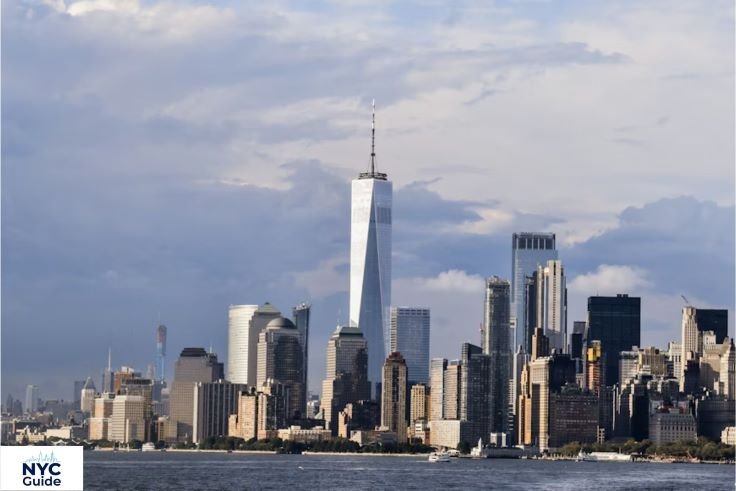
One World Trade Center is more than just a tall building. It stands as a symbol of resilience, hope, and New York’s spirit after the tragedy of September 11, 2001. I visited on a clear October morning, and I can honestly say it was one of the most moving and breathtaking experiences I’ve ever had in any city. This guide is built to help you plan your visit without stress or confusion.
Inside, you’ll find practical tips on tickets, transportation, nearby attractions, and the history that makes this place so meaningful. Whether you’re a first-time visitor or returning to experience something you missed, this guide has you covered from start to finish.
One World Trade Center at a Glance
Before diving into the details, here’s a quick overview of what makes this landmark so remarkable.
Quick Facts About One World Trade Center
- Official Name: One World Trade Center
- Nickname: Freedom Tower
- Location: Lower Manhattan, New York City
- Height: 1,776 feet (541 meters) to the tip
- Floors: 104 occupied floors
- Opened: November 3, 2014
- Architect: David Childs of Skidmore, Owings & Merrill
- Owner: Port Authority of New York and New Jersey
- Observation Deck: One World Observatory (floors 100–102)
- Annual Visitors: Over 3 million
Height, Floors, and Architectural Highlights
One World Trade Center rises 1,776 feet, making it the tallest building in the Western Hemisphere. That number is not a coincidence. It represents the year the United States declared independence, 1776. The building has 104 occupied floors and a roof height of 1,368 feet, which matches the original North Tower exactly. The spire adds the symbolic height to reach 1,776 feet total.
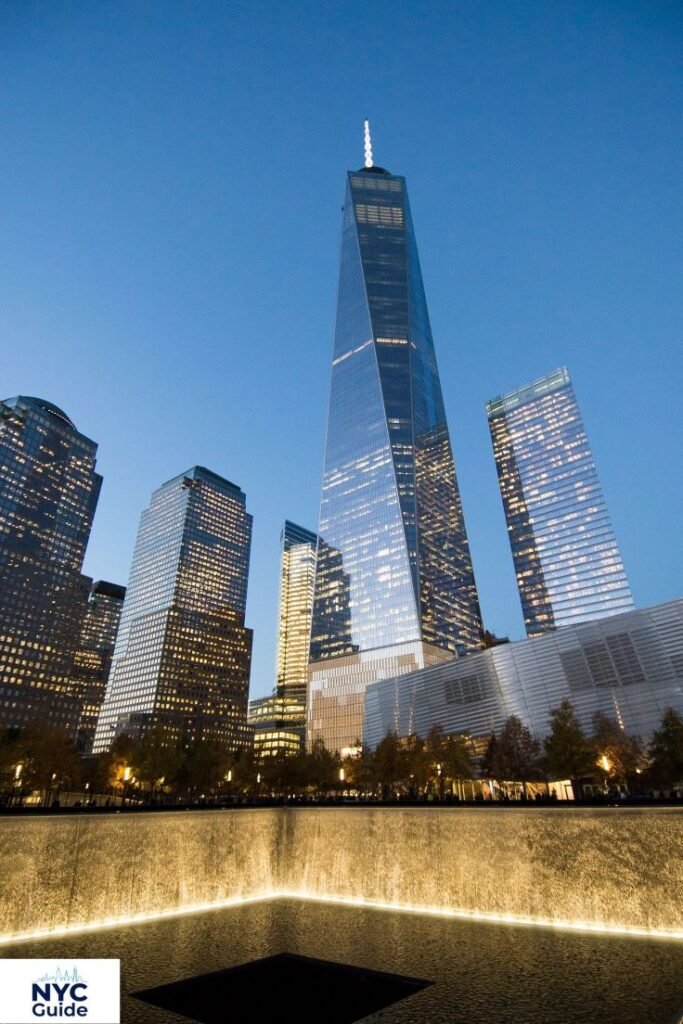
The design is a square base that transitions into eight elongated triangles, giving it a clean, elegant silhouette from every angle. The glass facade reflects the sky and the city around it, creating a stunning visual from street level. The building sits on a reinforced concrete base that extends 70 feet below street level.
Why One World Trade Center Is Important
This building is not just about architecture or height. It was built on the same site where two of the world’s most iconic skyscrapers were destroyed on September 11, 2001. Over 2,900 lives were lost that day, and the reconstruction of this site has been a deeply emotional and national undertaking. One World Trade Center represents the strength of New York and the United States. It shows that even after the darkest moments, rebuilding is possible.
The History Behind One World Trade Center
Understanding the history makes visiting this place feel completely different. When I stood at the top looking down at the 9/11 Memorial pools, I felt the weight of that history in a way that’s hard to put into words.
What Building Replaced the Twin Towers?
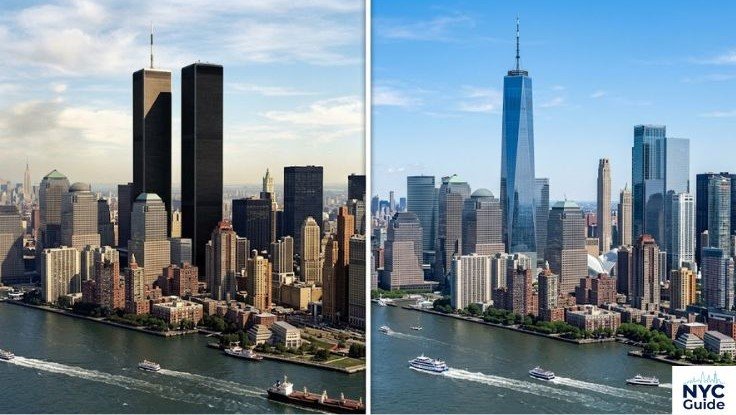
One World Trade Center replaced the original Twin Towers, formally known as 1 World Trade Center and 2 World Trade Center. Those towers, which opened in 1972 and 1973, were the world’s tallest buildings at the time. They were destroyed in the September 11 attacks in 2001. The rebuilding of the World Trade Center site began in the years following the attacks, and One World Trade Center, also called the Freedom Tower, was the centerpiece of that effort.
Reclaiming the New York Skyline
For years after 9/11, the lower Manhattan skyline had a visible gap where the Twin Towers once stood. New Yorkers and visitors felt it every time they looked south. The construction of One World Trade Center was a deliberate effort to reclaim that skyline and restore a sense of completeness to the city. When the building was topped out in 2013 and officially opened in 2014, it marked a major milestone in New York’s recovery.
How One World Trade Center Was Designed
The design was led by architect David Childs of the firm Skidmore, Owings & Merrill. The original design by Daniel Libeskind was modified significantly before construction began. Childs focused on creating a building that was both safe and symbolic. The base of the building is a 185-foot reinforced concrete podium designed to protect against blast threats. The overall shape draws on the geometry of the original towers while adding a modern, forward-looking aesthetic. Construction began in 2006 and took eight years to complete.
What Makes One World Trade Center Unique?
There are dozens of tall buildings in New York City, but none carry the same combination of history, symbolism, and engineering achievement as this one.
Symbolic Height of 1,776 Feet
The decision to make the building exactly 1,776 feet tall was intentional and deeply meaningful. It connects the building to the founding of the United States. This symbolic height makes One World Trade Center unlike any other skyscraper in the world. No other building was built to match a year in history so directly tied to national identity.
Sustainability and Safety Features
One World Trade Center was designed with significant sustainability features. It uses rainwater collection systems, energy-efficient lighting, and materials with recycled content. The building achieved LEED Gold certification. From a safety standpoint, it includes extra-wide stairwells, reinforced elevator shafts, and a state-of-the-art sprinkler system. The concrete core is designed to be far more resistant to damage than the original towers were.
Setting New Standards for Modern Skyscrapers
When it was completed, One World Trade Center set new benchmarks for how skyscrapers should be built in the modern era. It combined cutting-edge engineering with thoughtful safety design and environmental responsibility. The building influenced how other high-rises around the world approach both security and sustainability.
One World Observatory Overview
The One World Observatory is the main reason most tourists visit One World Trade Center. It’s an unforgettable experience, and I’d recommend it to anyone visiting New York for the first time or the tenth time.
What Is the One World Observatory?
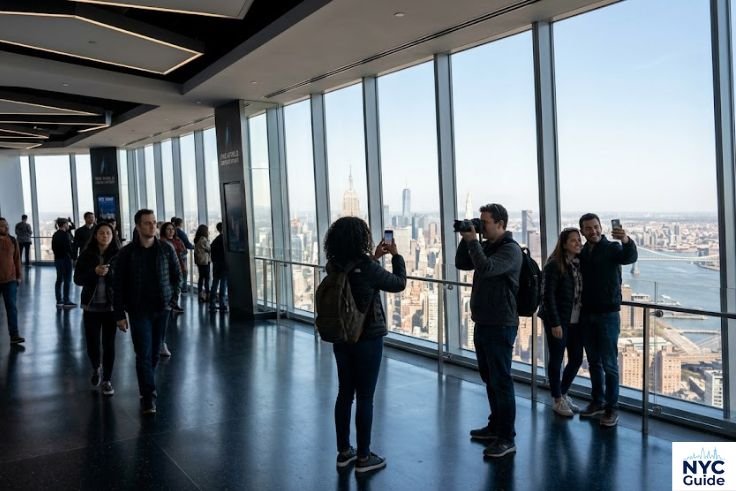
One World Observatory is the official observation deck of One World Trade Center. It spans floors 100, 101, and 102. The observatory opened to the public on May 29, 2015. It offers one of the highest and most spectacular vantage points in New York City. The experience begins the moment you step into the building, with a dramatic elevator ride that takes just 60 seconds to travel from the ground floor to floor 102.
What Can You See From the Observatory?
On a clear day, you can see up to 50 miles in every direction. Looking north, you can see Central Park, the Empire State Building, and the entire Manhattan skyline stretching upward. To the east, you’ll see Brooklyn, the Brooklyn Bridge, and beyond. To the west is New Jersey. To the south is the New York Harbor, the Statue of Liberty, and Ellis Island. The view is simply breathtaking, and it changes throughout the day as the light shifts.
Why the Observatory Is Worth Visiting
Many visitors wonder if the One World Observatory is worth it compared to other NYC observation decks. In my opinion, it absolutely is. The combination of the views, the emotional significance of the location, and the quality of the experience sets it apart. The “See Forever” theater at the top plays a short film that gives context to the city’s history. The Sky Portal on floor 100 is a circular, transparent floor panel that looks directly down to street level. It’s terrifying and thrilling all at once.
How Do I Get Tickets to the One World Observatory?
Tickets are required to access the One World Observatory. It’s always best to book in advance, especially during peak tourist season.
Standard Admission Tickets
Standard admission tickets to One World Observatory are typically priced around $42 for adults, $40 for seniors (65+), and $36 for children ages 6 to 12. Children under 6 enter free. These prices can vary slightly depending on when you visit and whether you book online or at the door. Online booking usually offers a small discount and guarantees your entry.
Skip-the-Line Tickets
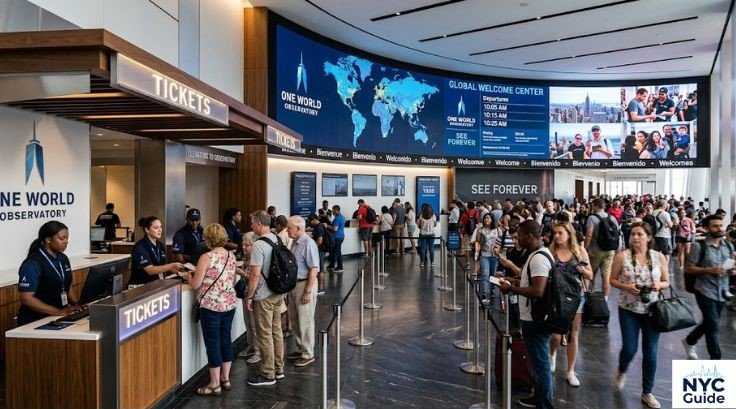
Skip-the-line tickets allow you to bypass the general admission queue and proceed directly to the elevator. These tickets cost more than standard admission but are worth it during busy periods. During summer and major holidays, the regular line can stretch well over an hour. Skip-the-line tickets can cut that wait to almost nothing.
VIP and Flexible Entry Tickets
VIP experiences at One World Observatory offer a more premium visit. These can include private guided tours, exclusive lounges, and dedicated elevator access. Flexible entry tickets allow you to choose your entry time window and are refundable or exchangeable if your plans change. These are great for travelers who aren’t sure of their exact schedule.
Are Skip-the-Line Tickets Worth It?
If you’re visiting during summer, spring break, or around major holidays, yes, absolutely. The lines at One World Observatory can be very long during peak times. I visited on a busy Saturday in October and even then, the regular queue was about 45 minutes. Skip-the-line tickets saved our group a lot of time that we used to explore the 9/11 Memorial nearby.
Best One World Trade Center Tours and Experiences
Beyond the observatory itself, there are several fantastic tours and experiences that can enhance your time in this part of New York.
NYC: One World Observatory Skip-the-Line Ticket
This is the most popular option for visitors who want to see the city from above without wasting time in lines. The ticket includes fast-track elevator access and full access to all three observatory floors. Booking through reputable travel platforms like GetYourGuide or Viator often gets you competitive pricing and instant confirmation.
New York City: Top of the Rock Observation Deck Ticket
If you want to compare NYC observation decks, the Top of the Rock at 30 Rockefeller Plaza is a great alternative or addition. Unlike One World Observatory, the Top of the Rock offers views that include the Empire State Building in the frame, which you can’t see from One World since you’re standing next to it. Many visitors do both in the same trip.
NYC: Starship Landmark 90 Minute Sightseeing Cruise
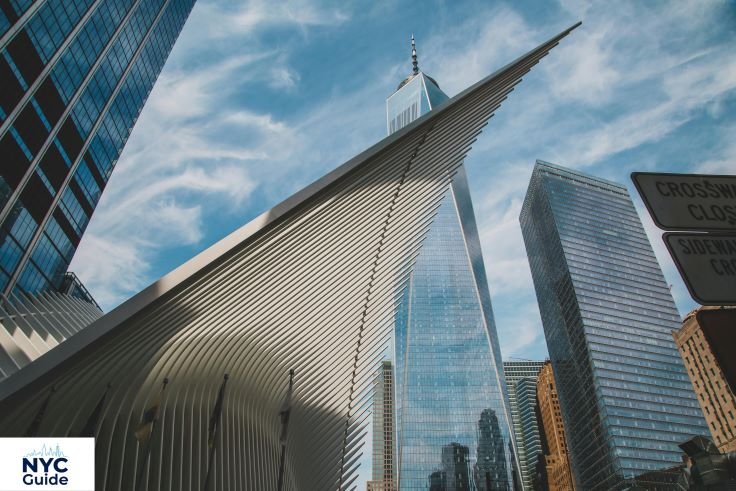
One of the best ways to see One World Trade Center from the outside is from the water. The Starship Landmark sightseeing cruise takes you around lower Manhattan and past the Financial District. Seeing the Freedom Tower rising above the skyline from New York Harbor is an entirely different kind of impressive. The cruise lasts about 90 minutes and includes a narrated tour.
New York City: Gourmet Dinner Cruise with Live Music
For a more romantic or special occasion experience, a dinner cruise along the Hudson River offers skyline views of One World Trade Center as the backdrop for a memorable evening. These cruises typically include a multi-course dinner and live music. Watching the city lights reflect off the water as One World Trade Center glows in the background is genuinely magical.
New York: Hop-on Hop-off Sightseeing Tour by Open-top Bus
If you want to see One World Trade Center as part of a broader tour of New York City, the hop-on hop-off bus is an efficient and affordable option. Most routes stop near the World Trade Center complex, allowing you to hop off, explore the area, visit the 9/11 Memorial, and then hop back on to continue your tour.
Visiting One World Trade Center
Now let’s get into the practical details that will help you plan your actual visit.
One World Trade Center Opening Hours
One World Observatory is open daily. General hours are from 9:00 AM to 9:00 PM, with the last elevator departing around 8:15 PM. Hours may vary on major holidays, so always check the official website before your visit. The building itself is a working office tower and not accessible to the public except through the observatory entrance.
Best Time to Visit One World Trade Center
The best time to visit is on a weekday morning, ideally between 9:00 AM and 11:00 AM. This is before the main crowds arrive. In terms of season, fall, especially September and October, offers some of the clearest skies and most comfortable temperatures for viewing. Summer is the busiest season. Try to avoid visiting on weekends if you want shorter queues.
The best weather-related advice: check the forecast before you go. There’s nothing worse than paying for an observation deck ticket only to be greeted by fog and clouds. Aim for days with high visibility and low humidity.
How Much Time You Need for Your Visit
Plan for at least 1.5 to 2 hours inside the observatory. The elevator experience, the films, the Sky Portal, and the viewing time all add up. If you want to sit down at the cafe or restaurant on the upper floors, add another 30 to 45 minutes. Factor in time for security screening at the entrance, which can add 10 to 20 minutes.
Tips for First-Time Visitors
- Book tickets online in advance to save money and avoid disappointment.
- Arrive a few minutes before your time slot.
- Bring your phone fully charged for photos.
- Wear comfortable shoes since you’ll be standing a lot.
- Don’t bring large bags if you can avoid it. Security screening takes longer with bulky items.
- Visit on a clear day. Check the weather forecast the night before.
- One mistake I almost made: I nearly booked tickets for a foggy day. A quick weather check saved the experience.
How Do I Get to One World Trade Center?
Getting to One World Trade Center is straightforward from almost any part of New York City.
Address and Location
One World Trade Center is located at 285 Fulton Street, New York, NY 10007. It sits in the heart of Lower Manhattan, within the Financial District. The One World Observatory entrance is on the West Street side of the building.
Getting There by Subway
The subway is the easiest and fastest way to get to One World Trade Center. The closest subway stations are:
- Cortlandt Street Station (1 train) – a one-minute walk
- World Trade Center Station (E train) – connects directly to the Oculus
- Fulton Street Station (2, 3, 4, 5, A, C, J, Z trains) – a short walk away
- Rector Street Station (1 train) – a five-minute walk
The subway is my recommended method. It’s fast, affordable, and drops you almost at the door.
Getting There by Bus
Several MTA bus routes stop near the World Trade Center complex, including the M20, M22, and M55. The bus is a good option if you’re coming from areas not directly served by the subway lines listed above.
Getting There by Car or Taxi
You can take a taxi or rideshare service directly to the building. Ask to be dropped off on West Street near the observatory entrance. Traffic in Lower Manhattan can be slow, especially during morning rush hours, so plan accordingly. If you’re coming from outside the city, the Lincoln Tunnel, Holland Tunnel, and the Brooklyn Bridge are all within a reasonable distance.
Nearby Parking Options
Driving to One World Trade Center is not recommended due to limited and expensive parking in Lower Manhattan. However, if you must drive, there are parking garages nearby including those on Greenwich Street and the World Trade Center garage accessible via the Brookfield Place complex. Expect to pay $20 to $40 or more per hour.
Entrances and Accessibility
Are There Different Entrances to One World Trade Center?
Yes. The building has separate entrances for office tenants and for observatory visitors. The One World Observatory entrance is located on the West Street side of the building. Look for the clearly marked signage. Do not enter through the main lobby unless directed by staff.
Security Screening Information
All visitors to One World Observatory go through security screening before entering. This includes bag checks and metal detector scanning, similar to airport security. Sharp objects, large bags, and certain items may not be allowed inside. The process is generally efficient but can take longer during busy periods. Arriving a few minutes early gives you buffer time.
Is One World Trade Center Suitable for People With Mobility Impairments?
Yes. One World Trade Center and the observatory are fully accessible to visitors with mobility impairments. The building is equipped with elevators, accessible restrooms, and ramps throughout. Visitors in wheelchairs or with limited mobility can request assistance from staff. The observatory experience is designed to be enjoyed by visitors of all abilities.
What to See Near One World Trade Center?
The area around One World Trade Center is packed with things to do. When I visited, I spent an entire day in this neighborhood without running out of places to explore.
The 9/11 Memorial and Museum
This is the most important site near One World Trade Center and arguably in all of New York. The 9/11 Memorial Plaza features two massive reflecting pools built within the footprints of the original Twin Towers. The names of all 2,977 victims are inscribed around the edges. The museum below the plaza tells the story of the attacks and their aftermath in extraordinary detail. Entry to the plaza is free. The museum has a separate admission fee. Visiting here before or after the observatory gives a profound sense of context.
Oculus Transportation Hub
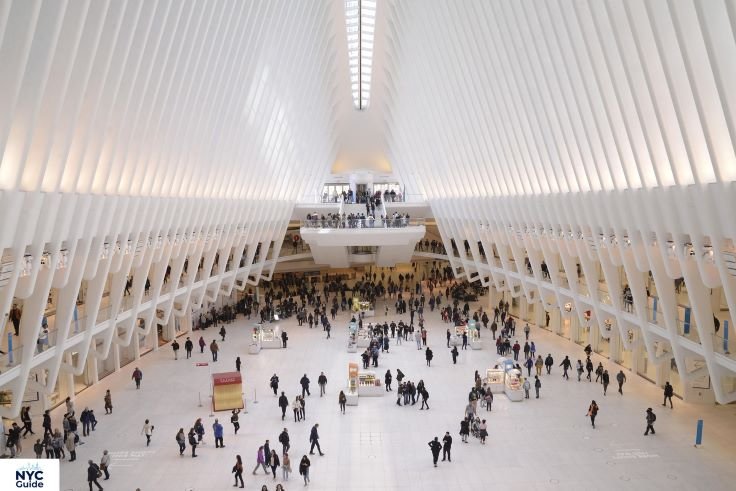
The Oculus is a stunning piece of architecture adjacent to One World Trade Center. Designed by architect Santiago Calatrava, it looks like a giant white bird in flight. Inside is one of New York’s most beautiful transit hubs and a major shopping mall. Even if you’re not catching a train, walking through the Oculus is worth it for the architecture alone. It’s free to enter and open daily.
Battery Park
Battery Park is about a 10-minute walk south of One World Trade Center. It’s a peaceful green space at the southern tip of Manhattan with beautiful views of New York Harbor. This is also where you catch the ferry to the Statue of Liberty and Ellis Island. On a nice day, a walk through Battery Park after visiting One World Observatory is a lovely way to decompress.
Wall Street
Wall Street is just a short walk to the east of One World Trade Center. The New York Stock Exchange and the famous Charging Bull sculpture are nearby. This area is packed with history and energy. Even if you’re not interested in finance, the architecture of the historic buildings on Wall Street is impressive.
Brooklyn Bridge
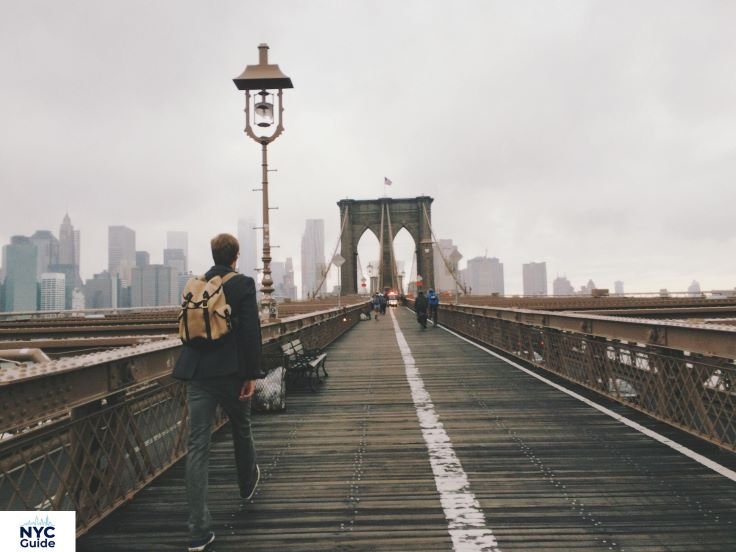
The Brooklyn Bridge is about a 15-minute walk from One World Trade Center. Walking across the bridge is one of the quintessential New York City experiences. From the pedestrian walkway, you get outstanding views of the Lower Manhattan skyline with One World Trade Center visible in the frame. It’s completely free and takes about 30 to 45 minutes to cross at a leisurely pace.
One World Trade Center vs the Twin Towers
This is a question almost every visitor thinks about, and it’s a meaningful one.
Is One World Trade Center Taller Than the Twin Towers?
Yes, One World Trade Center is significantly taller than the Twin Towers. The original North Tower stood at 1,368 feet and the South Tower at 1,362 feet. One World Trade Center reaches 1,776 feet to the top of its spire. Even without the spire, the roofline of One World Trade Center at 1,368 feet matches the original North Tower exactly. That was a deliberate architectural tribute.

Key Differences Between the Buildings
The Twin Towers were built primarily as office space and had observation decks open to the public on the 107th floor of the South Tower. One World Trade Center is a more complex, mixed-use supertall skyscraper. It has a far more robust safety design, a dedicated observatory spanning three floors, and a level of symbolic architecture that the original towers didn’t carry. The Twin Towers were modernist boxes. One World Trade Center is a more sculptural, tapered form.
How the Skyline Has Changed
The Twin Towers fundamentally changed the Lower Manhattan skyline when they were built in the early 1970s. Their destruction left a gap that felt painful for years. One World Trade Center restored a focal point to the downtown skyline, but it looks very different from its predecessors. The new skyline is more varied and perhaps more interesting architecturally than it was before, but nothing quite replaces the impact of those two parallel towers that stood for nearly 30 years.
Anatomy of One World Trade Center
For those who love architecture and engineering, this section is for you.
Exterior Design and Architecture
The exterior of One World Trade Center is clad in reflective glass panels that catch the light differently throughout the day. The building’s square base rotates as it rises, creating eight isoceles triangles that give the tower its distinctive silhouette. At the top, the building transitions into a circular crown where the spire is attached. The glass changes color with the sky, making the building look slightly different depending on the weather and time of day.
Interior Features
The building contains approximately 3 million square feet of office space. Tenants include major media companies, financial firms, and government offices. The lobby features an impressive art installation and sets the tone for the building’s design philosophy. The lower floors contain retail space, and the observation level begins on floor 100.
Observation Deck Technology
The elevators that take you from the lobby to floor 102 are among the fastest in the United States, traveling at 2,000 feet per minute. The walls of the elevator cabins are equipped with LED screens that display a 500-year time-lapse of New York City as you ascend. It’s genuinely one of the most impressive elevator rides I’ve ever experienced. The observatory floors feature floor-to-ceiling glass, a 360-degree viewing area, a Sky Portal, and interactive digital displays about the city.
Broadcast Spire and Engineering Details
The antenna spire at the top of One World Trade Center serves as a broadcast tower for several New York television and radio stations. It reaches to 1,776 feet and is illuminated at night. The spire is a composite structure made of fiberglass and steel. The building’s structural system uses a concrete core surrounded by a steel frame, giving it exceptional strength and stability.
FAQs About One World Trade Center
Yes. The One World Observatory on floors 100 to 102 is open to the public with a paid admission ticket. You cannot access the roof or the spire, but the observatory offers views from 1,250 feet above street level, which is more than enough to see the city spread out in every direction.
One World Trade Center is special because of its combination of symbolic meaning, architectural achievement, and historical significance. It was built on one of the most sacred sites in American history and was designed to honor those who were lost. At 1,776 feet, its height connects it to the founding of the United States. There is no other building in the world that carries quite the same weight of meaning.
Most visitors spend between 1.5 and 2.5 hours at the observatory. If you want to explore the Sky Portal, watch the film, and have a coffee or meal at the cafe, plan for closer to 2.5 to 3 hours. If you’re combining it with the 9/11 Memorial and Museum, budget an entire morning or afternoon for the combined experience.
Absolutely. Children love the elevator experience and the views, and the observatory staff is welcoming to families with young children. Children under 6 enter for free. The interactive displays are engaging for older kids and teens. The 9/11 Memorial nearby is appropriate for children but may prompt questions about difficult topics, so parents should be prepared for that conversation.
The area around One World Trade Center is packed with activities. The 9/11 Memorial and Museum, the Oculus, Battery Park, Wall Street, the Charging Bull, the Staten Island Ferry terminal, and the Brooklyn Bridge are all within easy walking distance. You could easily fill a full day without ever needing to take the subway.
Experience More of New York City
One World Trade Center is just one chapter in a very long and exciting New York City story.
Experience Everything NYC Has to Offer With The New York Pass®
The New York Pass is a multi-attraction pass that can save you significant money if you’re planning to visit multiple sites. It includes access to several New York landmarks, museums, and experiences. Depending on the pass type you choose, it may or may not include One World Observatory, so always check what’s included before purchasing.
Build Your Unique New York Itinerary With a Trip Planner
New York City can feel overwhelming if you don’t plan ahead. Use an online trip planner to organize your days by neighborhood so you’re not spending half your time on the subway. Grouping One World Trade Center with the 9/11 Memorial, the Oculus, Battery Park, and Brooklyn Bridge makes for a perfect Lower Manhattan day.
Suggested Downtown Manhattan Itinerary
- 9:00 AM – Arrive at One World Observatory (book first entry slot)
- 11:00 AM – Walk to the 9/11 Memorial Plaza
- 12:00 PM – Explore the Oculus and grab lunch at the Westfield World Trade Center shops
- 1:30 PM – Walk to Wall Street and see the New York Stock Exchange
- 2:30 PM – Walk to Brooklyn Bridge and cross for the views
- 4:00 PM – Return to Battery Park for sunset views of the harbor
- 5:30 PM – Catch the free Staten Island Ferry for views of the Statue of Liberty
This itinerary gives you a full and satisfying day in Lower Manhattan without feeling rushed.
Other Observation Decks to Visit in NYC
If you love views and want to compare New York from multiple angles, consider visiting:
- Top of the Rock (Rockefeller Center, 70th floor) – great views of the Empire State Building
- Empire State Building Observatory (86th and 102nd floors) – classic NYC icon
- Edge at Hudson Yards (100th floor) – the highest outdoor sky deck in the Western Hemisphere
- Summit One Vanderbilt – a reflective, artistic observatory experience near Grand Central
Each offers a different perspective of the city. One World Trade Center remains my personal favorite, but each one adds something unique.
Final Thoughts
One World Trade Center is one of those places that leaves a lasting impression no matter who you are or where you come from. The views from the One World Observatory are stunning, but it’s the history, the symbolism, and the sheer human effort behind this building that make it unforgettable. Whether you’re visiting to pay respects, to enjoy the skyline, or simply to check it off your bucket list, you won’t regret making it part of your New York City trip.
Book your tickets in advance, go on a clear day, and give yourself enough time to truly take it all in. This is one experience that deserves more than a hurried hour.