
If you’ve ever looked up at the New York City skyline and wondered which tower stands tallest, you’re not alone. Millions of visitors and locals ask this every year. The sheer number of skyscrapers in Manhattan can make it hard to know where to look first.
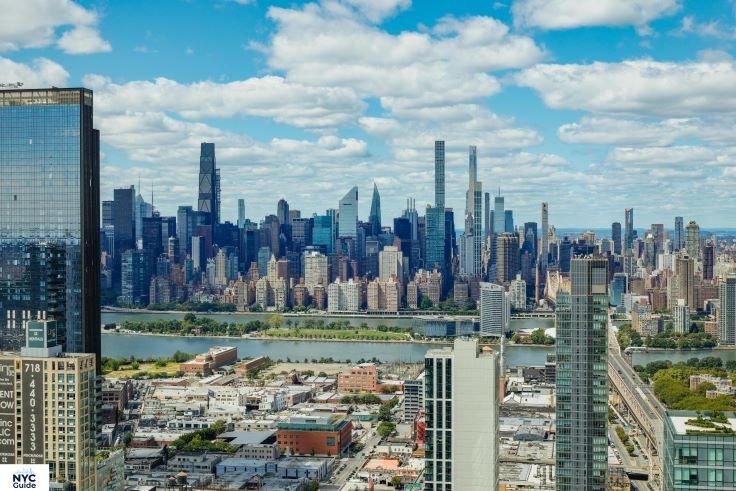
The tallest building in New York City is One World Trade Center, standing at 1,776 feet. It dominates the skyline and carries deep historical meaning. In this guide, I’ll walk you through everything you need to know about NYC’s tallest buildings from history to observation decks to visiting tips.
Whether you’re planning a trip, writing a school project, or just curious about the Manhattan skyline, this article covers it all. I’ve personally visited several of these towers and will share real tips along the way. Let’s dive in.
What Is the Tallest Building in New York City Right Now?
The tallest building in New York City right now is One World Trade Center (1 WTC). It rises 1,776 feet to the tip of its antenna spire. No other building in the city comes close to its height.
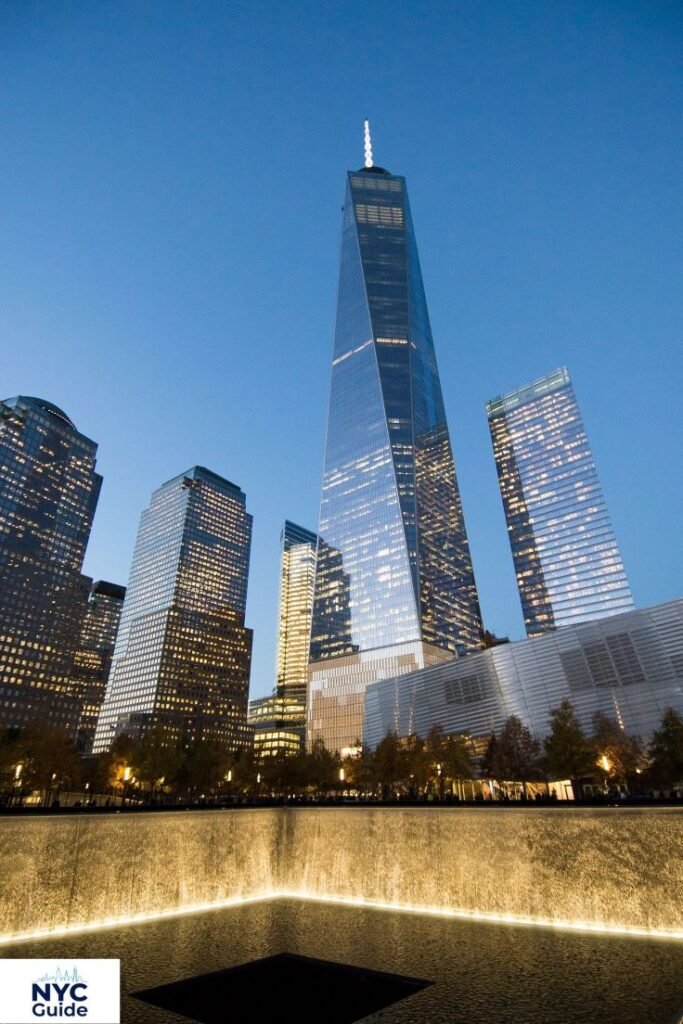
Height and Facts About One World Trade Center
- Official Height: 1,776 feet (541 meters) to architectural top
- Roof Height: 1,368 feet
- Floors: 94 above ground, 5 below ground
- Location: Lower Manhattan, at the northwest corner of the World Trade Center site
- Completed: 2014
- Architect: David Childs of Skidmore, Owings & Merrill
- Cost: Approximately $3.9 billion
The number 1,776 is no coincidence. It symbolizes the year the United States Declaration of Independence was signed. That intentional design choice gives the building a significance far beyond its physical size.
One World Trade Center is an office skyscraper with over 3 million square feet of office space. It also houses One World Observatory on floors 100 to 102. The building sits on a reinforced base and uses advanced blast-resistant glass for security.
Why It Is the Tallest Building in NYC
One World Trade Center was designed to reclaim the skyline after the September 11 attacks destroyed the original Twin Towers. Construction began in 2006 and took eight years to complete. When it opened in 2014, it immediately became the tallest building in the Western Hemisphere.
Its height of 1,776 feet surpasses every other skyscraper in New York by a significant margin. The next tallest, Central Park Tower, stands at 1,550 feet over 200 feet shorter. In terms of roof height, 1 WTC also leads among NYC office towers.
Overview of NYC’s Skyline and Skyscrapers
NYC has some of the tallest buildings in the world, and its skyline is instantly recognizable across the globe. The Manhattan skyline is known for its iconic skyscrapers crowding together in a dramatic vertical cityscape. No other city in the Western Hemisphere has this density of super-tall towers.
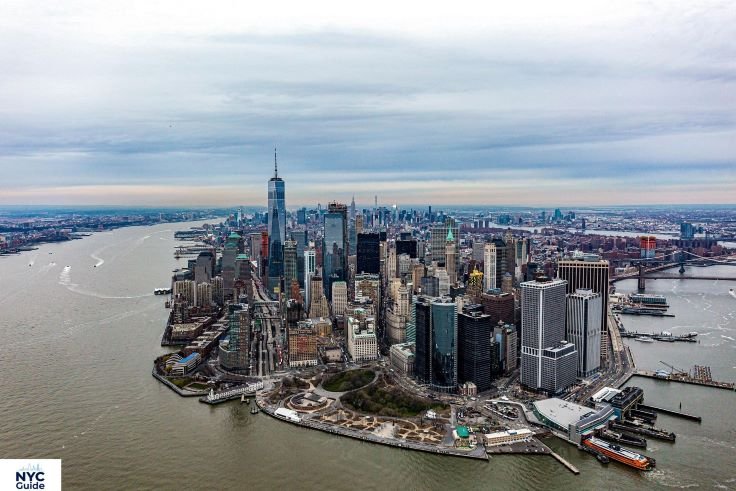
Why New York City Has So Many Tall Buildings
New York City builds tall for a simple reason: land is extremely limited and extremely expensive. Manhattan is a narrow island with little room to expand outward. So developers and architects have always built upward.
Other reasons include:
- High real estate demand: Millions of people want to live and work in Manhattan
- Strong economy: Finance, media, tech, and tourism drive constant construction
- Engineering advances: Steel frames and modern materials made taller buildings possible
- Competitive culture: Developers compete for the “tallest” title as a marketing advantage
- Zoning rules: While strict in some areas, NYC zoning has historically allowed upward development in Midtown and Lower Manhattan
Understanding Skyscraper Height Rankings
When ranking skyscrapers, different organizations measure height differently. The Council on Tall Buildings and Urban Habitat (CTBUH) uses four categories:
- Height to architectural top — includes spires and decorative elements, excludes antennas
- Height to roof — to the highest occupied floor’s ceiling
- Height to tip — the absolute highest point including antennas
- Height to highest occupied floor — where people actually live or work
Most official rankings use “height to architectural top.” By this standard, One World Trade Center leads NYC. Understanding these distinctions helps avoid confusion when you see different heights listed for the same building.
History of the Tallest Buildings in New York City
NYC’s love affair with tall buildings is over 130 years old. The city has been setting and breaking height records since the late 1800s. High-rise buildings dominate the city landscape today, but that transformation happened gradually across three major eras.
Early Skyscrapers in NYC (1890s–1920s)
New York’s first true skyscrapers appeared in the 1890s. The invention of the steel frame and later the elevator made tall buildings practical for the first time.
Key early towers:
- Flatiron Building (1902): 285 feet, one of NYC’s first steel-framed skyscrapers and still a beloved landmark
- Singer Building (1908): 612 feet, briefly the world’s tallest building
- Woolworth Building (1913): 792 feet, nicknamed “The Cathedral of Commerce,” it held the world’s tallest title for 17 years
These early towers used ornate Gothic and Beaux-Arts styling. They were built as symbols of corporate power and civic pride. Walking past the Woolworth Building today, you still feel that ambition radiating from every carved stone detail.
Rise of Iconic Towers (1930s Era)
The 1930s produced two of the most beloved skyscrapers in human history.
Chrysler Building (1930): 1,046 feet. Its stainless steel crown and Art Deco eagle gargoyles remain among the most beautiful architectural details in the world. It briefly held the title of world’s tallest building for less than a year.
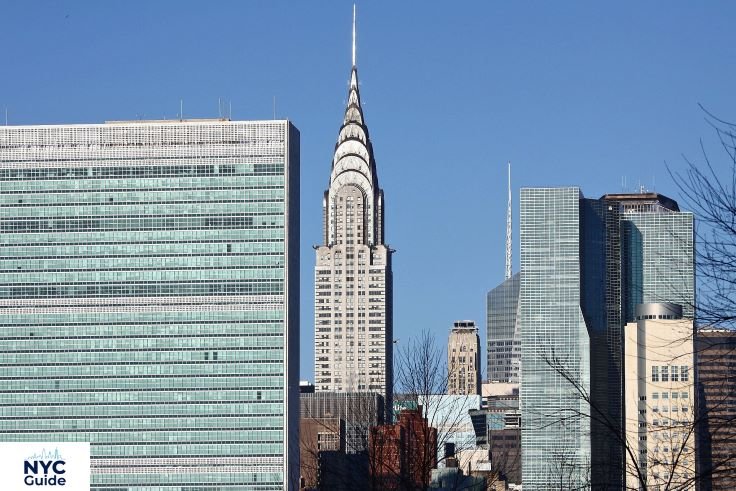
Empire State Building (1931): 1,250 feet. It captured the title of world’s tallest and held it for 41 years. It remains one of the most recognizable buildings on earth.
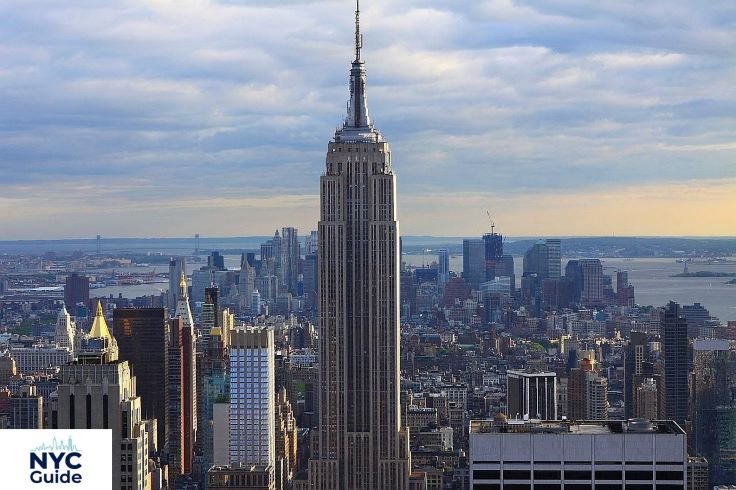
The race between these two buildings during construction was intense. The Empire State Building’s developers secretly added a mooring mast to sneak past the Chrysler Building’s height. That competitive spirit has never left New York.
Modern Super-Tall Buildings in NYC
From the 1970s onward, a new generation of supertall skyscrapers (over 1,000 feet) transformed the Manhattan skyline.
- One World Trade Center (original Twin Towers, 1972–73): The Twin Towers briefly became the world’s tallest buildings
- One World Trade Center (rebuilt, 2014): Rose from the ashes of 9/11 at 1,776 feet
- 432 Park Avenue (2015): Changed skyline aesthetics with its ultra-slim residential design
- Central Park Tower (2021): Currently the tallest residential building in the world
- One Vanderbilt (2020): Brought super-tall design to Midtown East near Grand Central
Modern engineering has shaped NYC’s skyline into something no previous generation could have imagined.
Top 10 Tallest Buildings in New York City (2026 Updated List)
These are the tallest buildings in NYC ranked by height to architectural top, based on 2026 data.
1. One World Trade Center (1,776 ft)
- Height: 1,776 feet (541 m)
- Location: Lower Manhattan
- Completed: 2014
- Use: Office, Observatory
- Architect: Skidmore, Owings & Merrill
One World Trade Center is the tallest building in New York City and the tallest in the Western Hemisphere. It contains One World Observatory and roughly 3 million square feet of office space. Its symbolic height references 1776, the year of American independence.
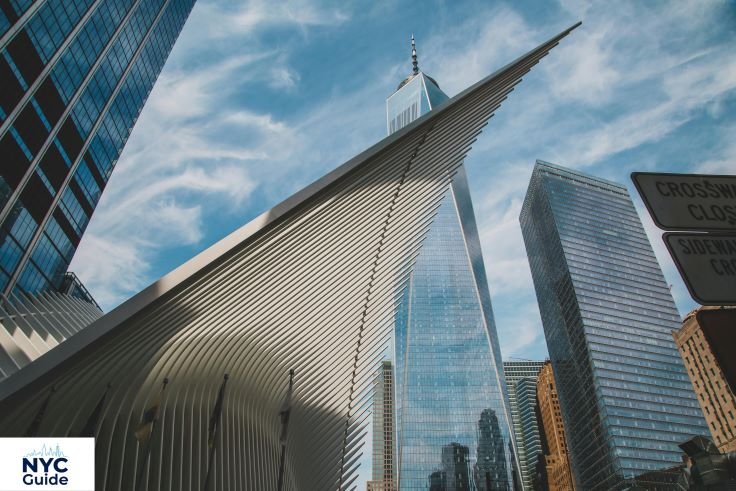
When I visited One World Observatory, the elevator ride itself was memorable a time-lapse of NYC’s history plays on the walls as you ascend. The views from floor 100 stretch for miles in every direction on a clear day.
2. Central Park Tower (1,550 ft)
- Height: 1,550 feet (472 m)
- Location: 217 West 57th Street, Midtown
- Completed: 2021
- Use: Residential (luxury condominiums)
- Architect: Adrian Smith + Gordon Gill Architecture
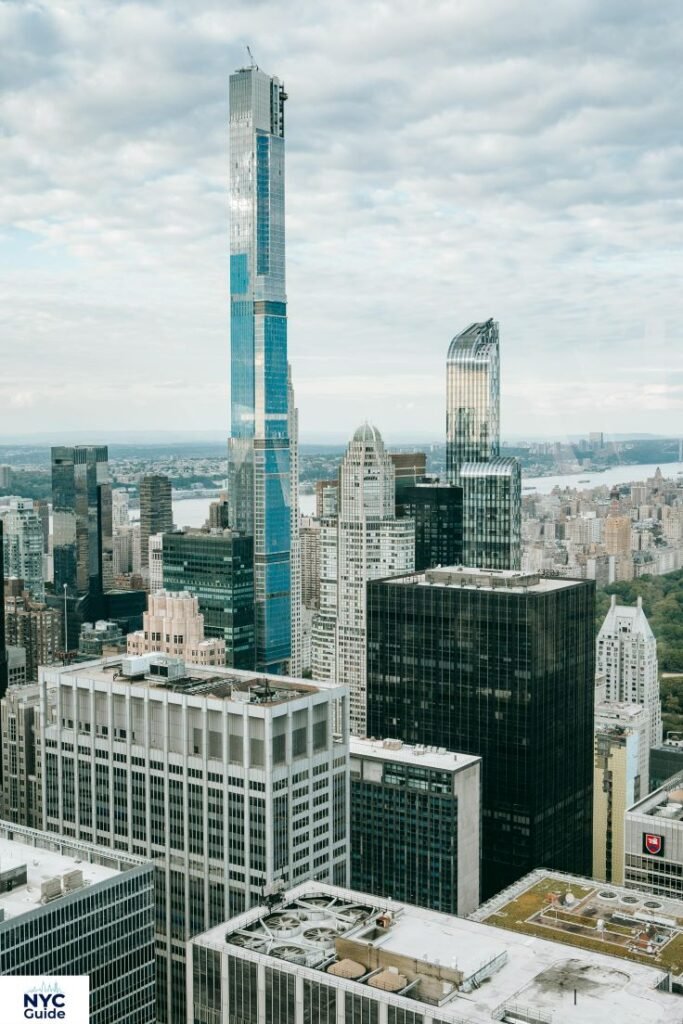
Central Park Tower is the tallest residential building in the world by height to architectural top. It overlooks Central Park from Billionaires’ Row on 57th Street. Its ultra-luxury apartments sell for tens of millions of dollars. The building has a membership club called Club 217 for residents.
3. 111 West 57th Street — Steinway Tower (1,428 ft)
- Height: 1,428 feet (435 m)
- Location: Midtown Manhattan
- Completed: 2021
- Use: Residential
- Architect: SHoP Architects
The Steinway Tower sits on the historic Steinway Hall building, which dates to 1925. It’s one of the slenderest skyscrapers in the world with a width-to-height ratio of roughly 1:24. Its terracotta and bronze exterior make it one of NYC’s most visually elegant super-talls.
4. One Vanderbilt (1,401 ft)
- Height: 1,401 feet (427 m)
- Location: Midtown East, next to Grand Central Terminal
- Completed: 2020
- Use: Office
- Architect: Kohn Pedersen Fox
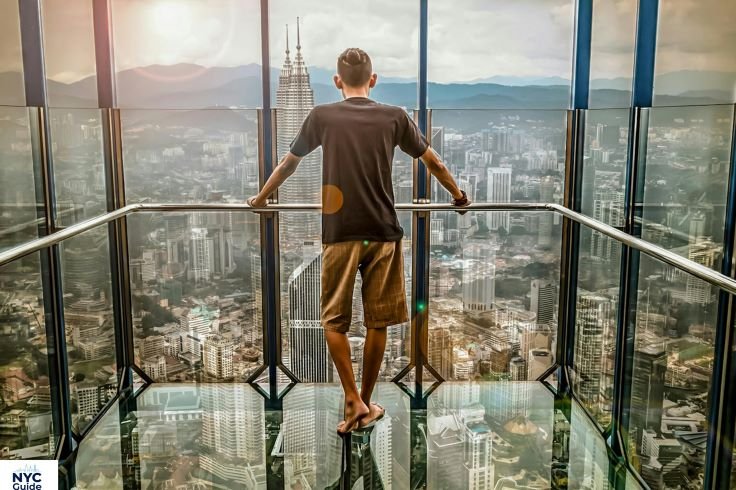
One Vanderbilt is a major office tower right beside Grand Central Terminal. It houses SUMMIT One Vanderbilt, an immersive observation experience on its upper floors. The building’s tapered design reduces wind forces and maximizes natural light. It’s connected directly to Grand Central, making it one of the best-transit-connected towers in the city.
5. 432 Park Avenue (1,396 ft)
- Height: 1,396 feet (425 m)
- Location: Midtown, near Central Park
- Completed: 2015
- Use: Residential
- Architect: Rafael Viñoly
432 Park Avenue is a residential supertall that changed the NYC skyline when it appeared. Its square floor plate and open grid pattern are visually distinctive. Penthouse units have sold for over $80 million. The building famously endured resident complaints about noise and mechanical issues a reminder that supertall living comes with unique challenges.
6. 270 Park Avenue (1,388 ft)
- Height: 1,388 feet (423 m)
- Location: Midtown East
- Completed: 2024
- Use: Office (JPMorgan Chase Headquarters)
- Architect: Foster + Partners
270 Park Avenue is the new global headquarters of JPMorgan Chase. It replaced the previous building on the same site and is now one of NYC’s tallest office towers. The building is designed to be fully all-electric and targets LEED Platinum certification, making it a benchmark for sustainable skyscraper design.
7. 30 Hudson Yards (1,268 ft)
- Height: 1,268 feet (387 m)
- Location: Hudson Yards, West Side of Manhattan
- Completed: 2019
- Use: Office
- Architect: Kohn Pedersen Fox
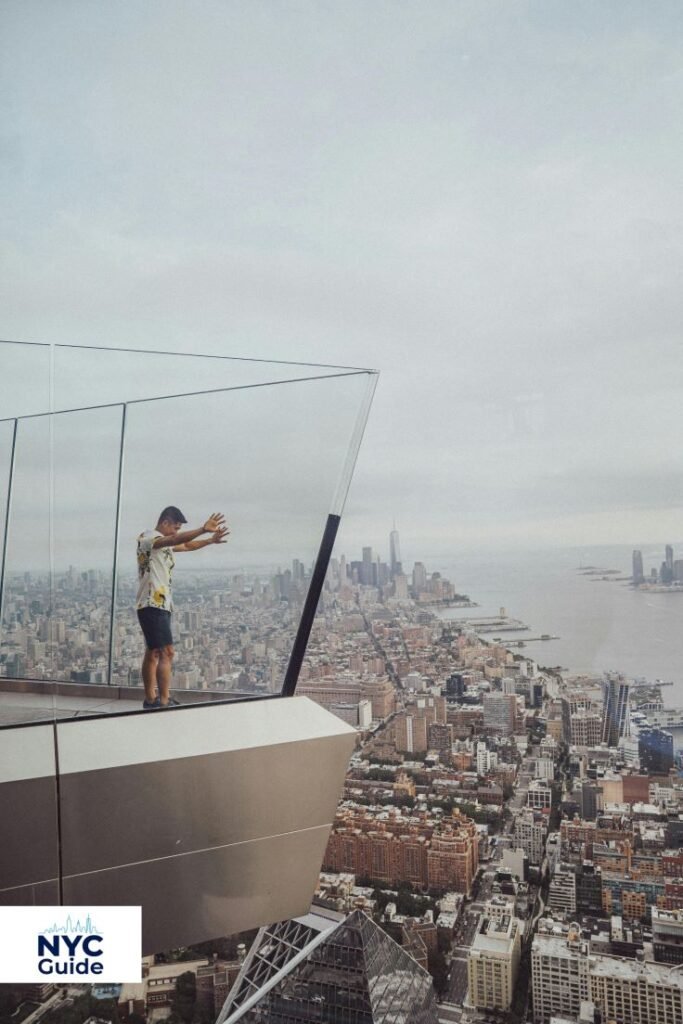
30 Hudson Yards anchors the massive Hudson Yards development on Manhattan’s west side. It hosts The Edge, the highest outdoor sky deck in the Western Hemisphere at 1,100 feet. This skyscraper offers stunning skyline views in all directions. A glass-floored section of The Edge lets you look straight down not recommended if you have vertigo.
8. Empire State Building (1,250 ft)
- Height: 1,250 feet (381 m) to roof; 1,454 feet to antenna tip
- Location: Midtown Manhattan, 350 Fifth Avenue
- Completed: 1931
- Use: Office, Observatory
- Architect: Shreve, Lamb & Harmon
One of the most famous landmarks in New York City, the Empire State Building needs little introduction. It was the world’s tallest building for 41 years. Today it remains one of the most visited landmarks in the world. Its twin observation decks on floors 86 and 102 attract millions of visitors annually. The building’s Art Deco crown lights up in different colors for holidays and events.
My first NYC trip as a teenager included a trip to the 86th floor observatory at sunset. The view of Midtown at golden hour is something I’ve never forgotten.
9. Bank of America Tower (1,200 ft)
- Height: 1,200 feet (366 m)
- Location: Midtown Manhattan, 1 Bryant Park
- Completed: 2009
- Use: Office
- Architect: Cook + Fox Architects
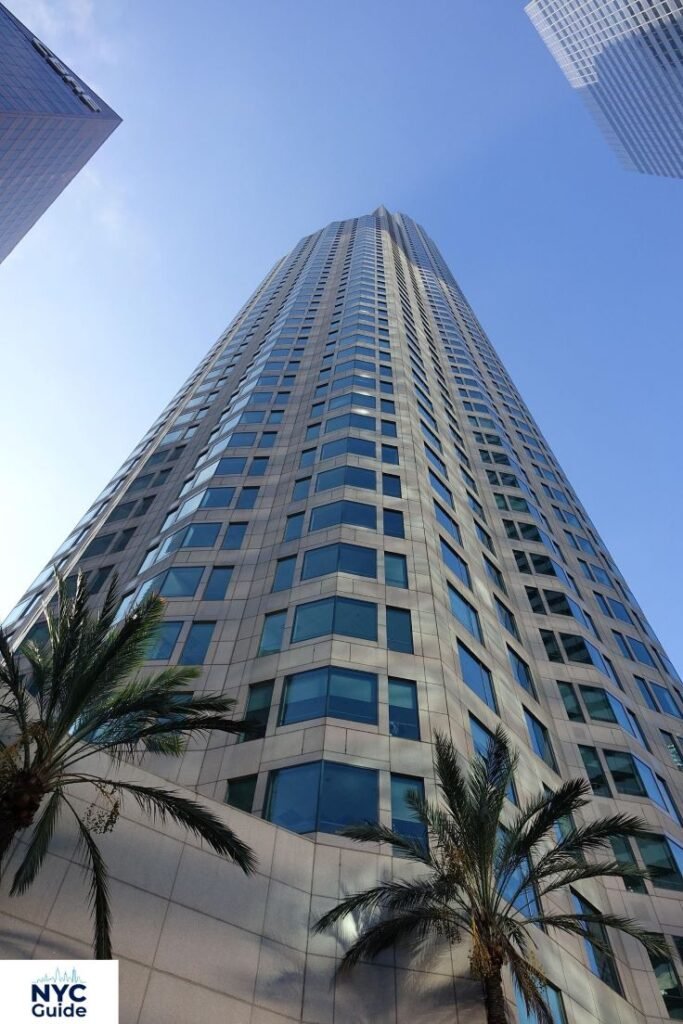
The Bank of America Tower at One Bryant Park was one of the first skyscrapers in the world to target LEED Platinum certification. It uses a combined heat and power plant, rainwater recycling, and floor-to-ceiling glass for maximum daylight. It sits right next to Bryant Park, giving it one of Manhattan’s better street-level environments.
10. 53 West 53 — MoMA Tower (1,050 ft)
- Height: 1,050 feet (320 m)
- Location: Midtown, adjacent to the Museum of Modern Art
- Completed: 2019
- Use: Residential
- Architect: Jean Nouvel
53 West 53, often called the MoMA Tower, is a luxury residential supertall directly connected to the Museum of Modern Art. Jean Nouvel’s diagonal structural exoskeleton gives the building a visually striking web-like exterior. Several units offer direct views into MoMA’s sculpture garden a remarkable feature even by NYC standards.
Other Notable Tall Buildings in New York City
Famous Skyscrapers That Are Not in Top 10
NYC has dozens of towers worth mentioning outside the top ten:
- Chrysler Building (1,046 ft): Arguably the most beautiful skyscraper in the world. Its Art Deco crown of stainless steel arches is unique and breathtaking. It narrowly misses the modern top 10 but belongs on every NYC itinerary.
- New York Times Building (1,046 ft): Co-designed by Renzo Piano, notable for its ceramic rod sun-screen facade.
- One Liberty Plaza (743 ft): A key tower in Lower Manhattan’s financial district.
- Citigroup Center / 601 Lexington Avenue (915 ft): Recognized for its distinctive angled roof.
- The Beekman Tower (867 ft): Frank Gehry’s only skyscraper, with a distinctive sculptural steel facade.
Tall Residential vs Commercial Buildings
NYC’s supertall landscape has shifted significantly toward residential towers in recent years. Buildings like Central Park Tower, Steinway Tower, 432 Park Avenue, and 53 West 53 are purely residential luxury condominiums.
Commercial supertalls like One World Trade Center, One Vanderbilt, and 30 Hudson Yards are office towers. The distinction matters for visitors: residential towers are generally not open to the public, while commercial towers often feature public lobbies, restaurants, or observation decks.
Observation Decks in NYC’s Tallest Buildings
Visitors can access observation decks for panoramic views of the entire city. NYC has five major public observation decks spread across its tallest and most iconic towers. Each offers a different experience, price point, and perspective of the skyline.
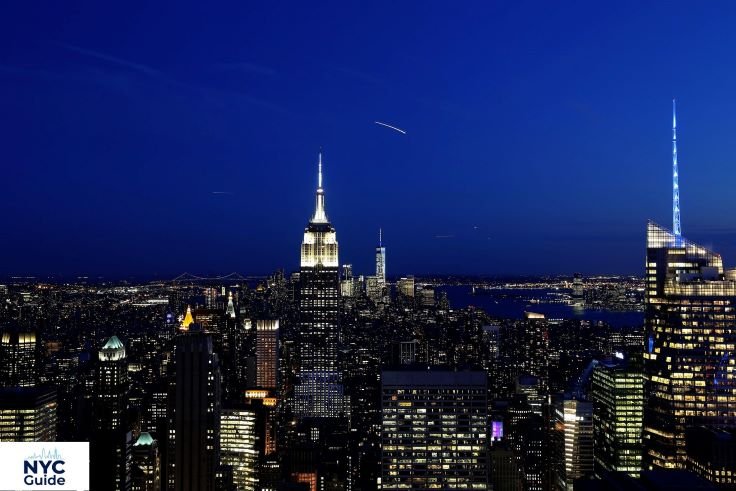
One World Observatory
- Building: One World Trade Center
- Floors: 100, 101, 102
- Height: Approximately 1,250 feet
- Ticket Price: Around $42–$46 for adults (2025 pricing; check official site for 2026 rates)
- Hours: Daily, 9:00 AM – 9:00 PM (last entry 8:15 PM)
- Website: oneworldobservatory.com
One World Observatory is the highest observation deck in the Western Hemisphere by floor elevation. The sky-pod elevator ride with its NYC history video is a highlight even before you reach the top. On a clear day you can see for up to 50 miles. The See Forever Theater gives a live bird’s-eye view of the city before the doors open.
Tip: Book tickets online in advance, especially in summer. Walk-up queues can be very long.
Edge at Hudson Yards
- Building: 30 Hudson Yards
- Floor: 100
- Height: 1,100 feet
- Ticket Price: Around $38–$49 for adults
- Hours: Daily, 9:00 AM – 11:00 PM (last entry 10:30 PM)
- Website: edgenyc.com
Edge is the highest outdoor sky deck in the Western Hemisphere. Its signature feature is a glass-floored triangular platform that juts out from the building. Standing on that glass floor, looking straight down 1,100 feet to the street, is genuinely exhilarating. One mistake I’ve seen people make: wearing slippery shoes on the glass floor. It’s not dangerous, but it feels uncomfortable.
There’s also a champagne bar called City Climb nearby, where you can climb the outside of the building on a harness for the truly brave.
SUMMIT One Vanderbilt
- Building: One Vanderbilt
- Floors: 91, 92, 93 (with outdoor Summit Terrace)
- Ticket Price: Around $39–$55 depending on package
- Hours: Daily, 9:00 AM – 11:00 PM
- Website: summitov.com
SUMMIT One Vanderbilt is the newest and arguably most visually inventive of NYC’s observation experiences. It’s not just a view — it’s an immersive art installation. Glass rooms, mirrored floors, and levitating glass boxes (called “Après”) create a surreal environment. The views of Midtown, the Empire State Building, and Central Park are spectacular.
SUMMIT pairs beautifully with a visit to Grand Central Terminal right below. The two together make for a great half-day in Midtown.
Empire State Building Observatory
- Building: Empire State Building
- Floors: 86 (main deck, outdoor) and 102 (top deck)
- Ticket Price: Around $44–$79+ depending on floor and time
- Hours: Daily, 10:00 AM – 10:00 PM (last entry)
- Website: esbnyc.com
The Empire State Building Observatory is the most iconic in New York. The 86th floor outdoor deck is where countless movies have been filmed — from King Kong to Sleepless in Seattle. The 102nd floor deck is smaller and less crowded, offering a more intimate experience.
Best time to visit: Sunset, when the city transforms from golden to sparkling. Budget tip: buy tickets online and choose off-peak times to save a few dollars and skip longer lines.
Top of the Rock
- Building: 30 Rockefeller Plaza
- Floors: 67, 69, 70
- Ticket Price: Around $40–$44 for adults
- Hours: Daily, 8:00 AM – 12:00 AM
- Website: topoftherocknyc.com
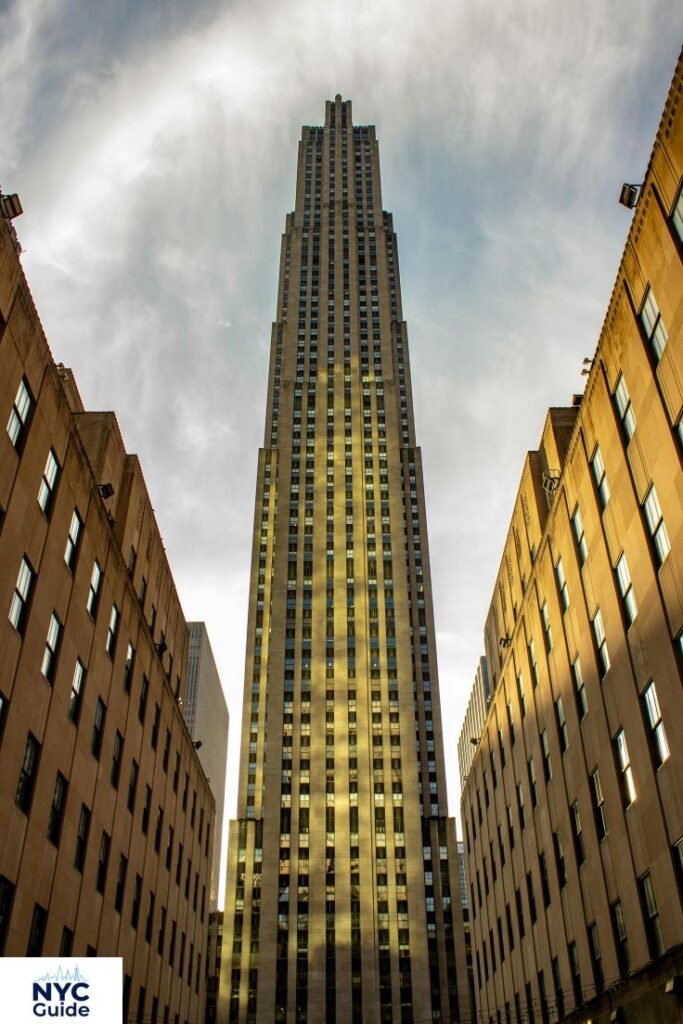
Top of the Rock at 30 Rockefeller Plaza offers one of the best views of the Empire State Building itself which you can’t see from the Empire State Building’s own deck. The open-air top level has no glass barriers (just railings), giving unobstructed photography opportunities. It’s 850 feet high, lower than some competitors but with arguably superior Midtown views.
Tip: The last entry is at midnight, making it one of the best places for NYC night views.
Visiting the Tallest Buildings in NYC
Which Tall Buildings Are Open to Visitors
Not all of NYC’s tallest buildings are open to the public. Here’s a quick breakdown:
| Building | Open to Public? | What’s Available |
| One World Trade Center | Yes | Observatory, lobby |
| 30 Hudson Yards | Yes | Observatory (Edge) |
| One Vanderbilt | Yes | Observatory (SUMMIT) |
| Empire State Building | Yes | Observatory |
| 30 Rockefeller Plaza | Yes | Observatory (Top of the Rock) |
| Central Park Tower | No | Residential only |
| 432 Park Avenue | No | Residential only |
| 111 West 57th Street | No | Residential only |
| Bank of America Tower | Limited | Lobby, ground-floor retail |
Ticket Prices & Entry Info
Prices vary by observation deck and fluctuate seasonally. Here are approximate 2025–2026 adult ticket prices:
- One World Observatory: $42–$46
- Edge at Hudson Yards: $38–$49
- SUMMIT One Vanderbilt: $39–$55
- Empire State Building (86th floor): $44+
- Empire State Building (102nd floor add-on): Additional $20+
- Top of the Rock: $40–$44
Money-saving tips:
- Buy online in advance most decks charge a small premium for walk-up tickets
- Visit on weekdays to avoid weekend crowds
- Some New York City attraction passes (like CityPASS or New York Pass) include multiple observation decks at a discount
- Children under 6 are free at most decks
Best Time to Visit for Skyline Views
- Sunrise (6–8 AM): Fewest crowds, dramatic lighting, cold in winter but peaceful
- Golden Hour (1 hour before sunset): Most popular, beautiful warm light, book tickets well in advance
- Night (after 9 PM): The city sparkles below. Top of the Rock stays open until midnight
- Weekdays: Always less crowded than weekends
- Avoid: Peak summer weekends (July–August) unless you book well ahead
Weather matters enormously. A partly cloudy day can still offer great views, but heavy fog, rain, or low clouds will significantly reduce visibility. Check the forecast before booking non-refundable tickets.
Architectural Features of NYC’s Tallest Buildings
Modern Skyscraper Design
NYC’s supertall buildings represent the cutting edge of architectural design. In recent years, several key trends have emerged:
- Slender towers: Buildings like 111 West 57th Street and 432 Park Avenue push extreme slenderness ratios, creating needle-like profiles on the skyline
- Mixed-use design: Many new towers integrate offices, residences, retail, and public amenities in one building
- Glass facades: Floor-to-ceiling glass maximizes natural light and creates dramatic views from inside and outside
- Tapered profiles: Tapering (narrowing toward the top) reduces wind loads and creates more graceful silhouettes
Engineering Challenges of Super-Tall Buildings
Building above 1,000 feet requires solving problems that shorter buildings never face:
- Wind sway: At extreme heights, wind can cause buildings to sway several feet. Engineers install tuned mass dampers giant pendulums or fluid tanks that counteract sway. One World Trade Center and 432 Park Avenue both use these systems.
- Elevator engineering: Standard elevators can’t serve 80+ floors efficiently. Modern supertalls use double-deck elevators, sky lobbies (transfer floors), and destination dispatch systems.
- Foundation depth: Manhattan’s bedrock provides an excellent foundation, but construction crews must still drill deep anchor points. Some Manhattan supertalls have foundations 50–70 feet below street level.
- Pressure differential: At extreme heights, differences in air pressure affect building systems including HVAC, plumbing, and even door operation.
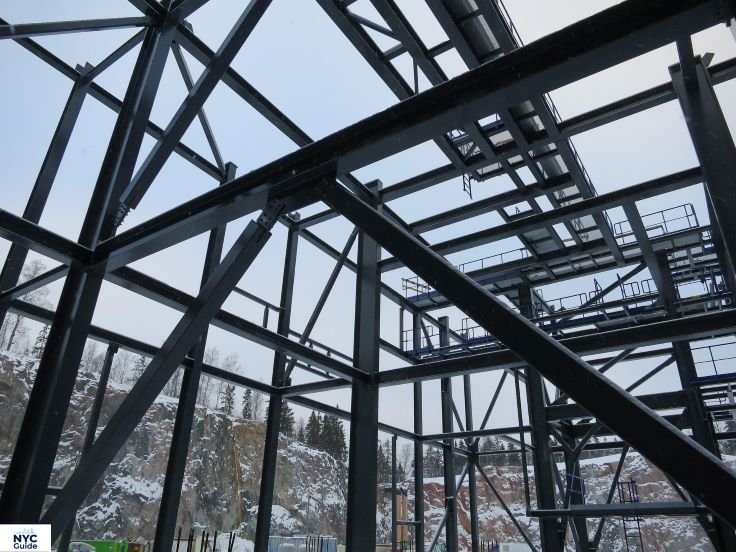
Sustainable Architecture in NYC
NYC’s newer supertalls are increasingly designed with sustainability in mind. Modern engineering has shaped NYC’s skyline toward greener, more efficient buildings:
- 270 Park Avenue (JPMorgan HQ): Fully electric, targeting LEED Platinum, uses geothermal energy
- Bank of America Tower: LEED Platinum, rainwater recycling, combined heat and power plant
- One Vanderbilt: Energy-efficient curtain wall system, 65% reduction in energy consumption versus comparable towers
- 30 Hudson Yards: Significant green design features, on-site energy generation
New York City’s Local Law 97 mandates significant reductions in carbon emissions from large buildings by 2030. This is pushing owners of older skyscrapers to retrofit their systems as well.
Impact of Tall Buildings on New York City
Economic Impact
NYC’s skyscrapers are economic engines. One World Trade Center alone houses thousands of employees across media, tech, and finance companies. The office space in just the top ten tallest buildings represents billions of dollars in annual economic activity.
The Hudson Yards development anchored by 30 Hudson Yards and surrounding towers represents the largest private real estate development in US history, at roughly $25 billion. It created tens of thousands of construction jobs and continues to drive economic activity on Manhattan’s west side.
Luxury residential supertalls like Central Park Tower generate enormous tax revenue. A single sale of a penthouse unit can exceed $100 million, generating millions in transfer taxes for the city.
Urban Development
Tall buildings reshape the neighborhoods around them. Hudson Yards transformed a former rail yard into a thriving neighborhood. The World Trade Center site transformed a tragedy into a landmark mixed-use complex with a memorial, museum, offices, shops, and a performing arts center.
However, supertall residential towers cast long shadows. 432 Park Avenue and Central Park Tower have drawn criticism for shadowing Central Park and neighboring streets for significant portions of winter days. NYC has updated its zoning regulations to limit the shadow impact of future towers in certain areas.
Tourism & Skyline Identity
The Manhattan skyline is arguably the most photographed urban landscape in the world. That skyline is worth billions to NYC’s tourism industry. Visitors come specifically to see these buildings, ride up these observation decks, and photograph this skyline.
Tourism directly tied to iconic skyscrapers observation deck tickets, tours, restaurants with skyline views generates hundreds of millions of dollars annually. The Empire State Building alone attracts over 4 million visitors per year. This skyscraper offers stunning skyline views that have been drawing tourists since 1931.
A must-see for architecture lovers visiting NYC, the skyline as a whole is greater than the sum of its parts. No single building tells the full story you need to see them together.
Future of Tallest Buildings in NYC
Upcoming Skyscrapers
Several significant projects are in development or under construction that will further shape NYC’s vertical skyline:
- 175 Park Avenue (Grand Hyatt replacement): A planned supertall hotel and mixed-use tower at approximately 1,600 feet, which would become one of the tallest buildings in the city. Final approvals and construction are ongoing as of 2026.
- Two World Trade Center: Designed by Bjarke Ingels Group (BIG), this tower beside 1 WTC has been planned for years but awaits a major anchor tenant before construction begins.
- Brooklyn Point and other outer-borough towers: While not Manhattan supertalls, several significant high-rises continue to reshape Brooklyn’s downtown skyline.
Trends in Vertical Living
The future of tall buildings in NYC is shifting in several notable directions:
- More mixed-use: Future towers will increasingly combine offices, residences, hotels, and retail to maximize revenue and reduce vacancy risk
- Greater sustainability: Local Law 97 is forcing both new and old buildings toward carbon neutrality by 2030
- Smaller floor plates: Skinny luxury residential towers will continue to proliferate on Billionaires’ Row
- Affordable housing integration: Political pressure is growing for supertall developments to include more below-market housing units
- Biophilic design: Incorporating plants, green terraces, and natural materials into high-rise design is becoming a selling point for both offices and residences
Tallest Building in NYC vs Other Cities
NYC vs Dubai vs Chicago
How does NYC stack up globally? Here’s a comparison of the world’s tallest building markets:
| City | Tallest Building | Height |
| Dubai | Burj Khalifa | 2,717 ft (828 m) |
| New York City | One World Trade Center | 1,776 ft (541 m) |
| Chicago | Willis Tower (Sears Tower) | 1,450 ft (442 m) |
| Shanghai | Shanghai Tower | 2,073 ft (632 m) |
| Kuala Lumpur | Petronas Towers | 1,483 ft (452 m) |
Dubai’s Burj Khalifa is nearly 1,000 feet taller than One World Trade Center. However, NYC leads the world in the sheer density of supertall buildings over 30 buildings above 1,000 feet in Manhattan alone.
Chicago was once the world capital of skyscrapers and still has a remarkable skyline, but it has not built a true supertall in many years. NYC continues to add new entries to the 1,000-feet-plus club regularly.
Global Ranking of NYC Buildings
On the global list of all tall buildings, One World Trade Center currently ranks in the top 10 worldwide. Central Park Tower also ranks among the top 20 globally. The following NYC buildings appear in the global top 100:
- One World Trade Center: Top 10 globally
- Central Park Tower: Top 20 globally
- 111 West 57th Street: Top 30 globally
- One Vanderbilt and 432 Park Avenue: Top 50 globally
NYC’s concentration of globally ranked towers is unmatched in the Western Hemisphere.
Interesting Facts About NYC’s Tallest Buildings
Here are some fascinating facts that most visitors don’t know:
- 1,776 feet is symbolic: One World Trade Center’s height was deliberately chosen to match the year of American independence.
- 432 Park Avenue has a water tank: Its tuned mass damper uses fluid — essentially a giant sloshing water tank — to reduce sway. Residents have reported hearing it on very windy nights.
- The Empire State Building has its own zip code: 10118. It has so many tenants that it needed one.
- Central Park Tower residents get a private club: Club 217 offers dining, spa, pool, and concierge services exclusively for building residents.
- Top of the Rock predates the Empire State Building: Rockefeller Center’s observation deck opened in 1933, just two years after the Empire State Building.
- The Chrysler Building was briefly a secret: Its owner Walter Chrysler had the building’s distinctive crown assembled inside the top floor and then raised through the roof to win the height race against 40 Wall Street.
- 111 West 57th Street is so thin it sways 3+ feet in strong wind: Engineering systems absorb this movement before residents feel it.
- One World Trade Center has 104 floors to the roof: Floor numbering skips mechanical floors, making the number of usable floors different from the physical count.
- The original World Trade Center Twin Towers were called “the biggest filing cabinets” by critics: The criticism faded as New Yorkers came to love them.
- 30 Hudson Yards has a wine cellar floor: Among its amenities for anchor tenant KKR is reportedly a dedicated wine storage floor.
FAQs About the Tallest Buildings in New York City
One World Trade Center is the tallest building in New York City. It stands 1,776 feet to its architectural spire. It is also the tallest building in the Western Hemisphere. Located in Lower Manhattan, it was completed in 2014.
Central Park Tower at 217 West 57th Street is the tallest residential building in New York City. At 1,550 feet, it is also the tallest residential building in the entire world. It contains ultra-luxury condominiums and is located on Billionaires’ Row in Midtown Manhattan.
One World Observatory, located on floors 100–102 of One World Trade Center, is the highest observation deck in the Western Hemisphere by floor elevation. The Edge at Hudson Yards (1,100 feet) is the highest outdoor observation deck. For the best overall outdoor experience with no glass barriers, Top of the Rock at 30 Rockefeller Plaza is also highly recommended.
As of 2026, the tallest building in Brooklyn is The Brooklyn Tower (9 DeKalb Avenue), completed in 2022 at approximately 1,066 feet (325 meters). It is also the tallest building in New York City outside of Manhattan. It contains a mix of luxury residences and a commercial podium.
The tallest building in Queens is Skyline Tower in Long Island City, completed in 2022 at approximately 778 feet (237 meters). It is a luxury residential condominium tower located near Court Square, with subway access to Midtown Manhattan in under 10 minutes.
Final Thoughts on NYC’s Tallest Buildings
The tallest building in New York City tells only part of the story. The full picture is an entire skyline decades of ambition, engineering, tragedy, and rebirth stacked side by side above a narrow island. From the Art Deco perfection of the Chrysler Building to the symbolic height of One World Trade Center, each tower carries its own history.
If you’re visiting NYC, don’t limit yourself to one observation deck. Each one gives you a different angle on the city. I’d personally recommend SUMMIT One Vanderbilt for the experience, Top of the Rock for the photography, and One World Observatory for the emotional weight of the location.
Whether you’re a first-time visitor or a longtime New Yorker, the skyline never really gets old. There’s always a new building reshaping it, a new story being told in steel and glass. NYC has some of the tallest buildings in the world and the city shows no signs of stopping.